
融通中证诚通央企红利ETF联接基金

Search documents
指数有个现象,很多人不知道
Xin Lang Cai Jing· 2025-10-29 06:29
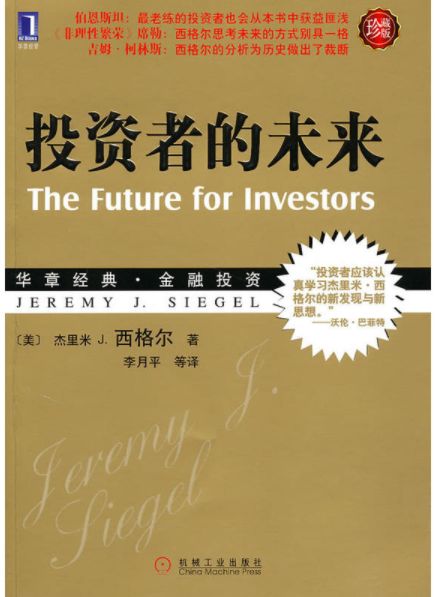
Group 1 - The core argument of the article emphasizes the importance of index composition adjustments, which serve as an internal elimination mechanism to ensure the vitality and health of the index over time [1][6] - The S&P 500 index has undergone significant changes since its inception, with 917 adjustments made to its constituent stocks from 1957 to 2003, averaging 20 changes per year [3][4] - Holding the original S&P 500 stocks from 1957 to 2003 yielded a higher return than the continuously updated index, with an initial investment of $1,000 growing to $157,029 at an annualized return of 11.40%, compared to $124,522 and 10.85% for the index [4][5] Group 2 - The article discusses the rationale behind the performance of newly added companies in the index, which tend to have better quality and growth potential, although they may be more expensive at the time of inclusion [6][7] - The index's methodology includes removing underperforming stocks, ensuring that the remaining constituents have good liquidity and stable performance [8][9] - The article highlights that the continuous updating of index constituents is crucial for maintaining the index's representativeness in the market [10] Group 3 - The article introduces the concept of dividend indices, which prioritize stocks with high dividend yields, contrasting with the S&P 500's focus on market capitalization and liquidity [11][12] - Historical data shows that the performance of the dividend index significantly outperforms that of its original constituents, with an initial investment of 100,000 yuan growing to 546,100 yuan at an annualized return of 13.03% compared to 135,300 yuan and 1.76% for the original stocks [14] - The core of dividend investing is to identify companies with sustainable high dividends, which can be assessed using expected dividend yields that factor in future earnings potential [15][16] Group 4 - The article mentions the establishment of the "CETC Central State-Owned Enterprise Dividend Index," which selects stocks based on expected dividend yields from central state-owned enterprises [16] - This index aims to reflect the overall performance of high expected dividend yield stocks among central state-owned enterprises, providing a new investment avenue for interested investors [16]

融通基金蔡志伟:“央企+红利”迎来配置机会
Shang Hai Zheng Quan Bao· 2025-07-20 15:54
Group 1 - The core viewpoint is that dividend assets are gaining popularity in a low-interest-rate environment, with the launch of the Rongtong CSI Chengtong Central Enterprise Dividend ETF Fund, which raised 983 million yuan [1] - The long-term investment value of dividend assets has been validated in the A-share market, and the dividend strategy is considered to have a relatively high cost-performance ratio under the current economic conditions [1][2] - The new "National Nine Articles" policy strengthens the regulation of cash dividends for listed companies, indicating a shift towards greater emphasis on shareholder returns in the A-share market [1][2] Group 2 - The CSI Chengtong Central Enterprise Dividend Index has shown a cumulative return of 95.97% and an annualized return of 8.59% from December 30, 2016, to May 30, 2025, outperforming other indices [1] - Central enterprises are identified as a crucial pillar of the national economy and are significant contributors to dividends, with a total dividend payout of approximately 1.25 trillion yuan from the index constituents over the past three years [2][3] - The index's dynamic price-to-earnings ratio is 11.4 times, and the price-to-book ratio is 1.08 times, both at their lowest levels in the past decade, indicating substantial potential for valuation recovery [2]