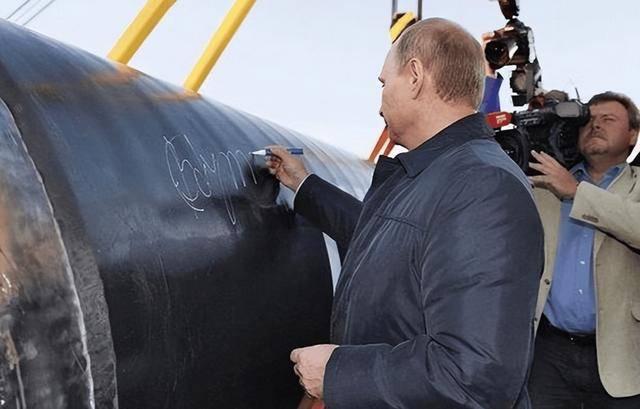
西伯利亚力量2号管道

Search documents
中俄早已意识到,蒙古可能不靠谱,开始安排新的能源生命线
Sou Hu Cai Jing· 2025-10-15 11:10
Core Insights - The energy cooperation between China and Russia has strengthened in recent years, particularly after the Russia-Ukraine conflict, with both countries seeking to secure energy supplies and diversify their markets [2][4][18] - The Power of Siberia 2 pipeline is a key project, originally designed to transport 50 billion cubic meters of gas annually from Russia to China, but concerns over Mongolia's reliability as a transit country have prompted both nations to explore alternative routes [2][12][18] Energy Cooperation - China and Russia have signed multiple agreements over the years, including a memorandum in 2006 to plan two pipelines: the eastern and western routes [4] - The eastern route, Power of Siberia 1, began operations in 2019 and has gradually increased its annual gas supply to 38 billion cubic meters, stabilizing China's northeastern energy supply [4] - The western route, Power of Siberia 2, has faced delays primarily due to pricing and routing issues, but Russia's loss of the European market has intensified its urgency to sell gas to China [4][12] Mongolia's Role - Mongolia's economic dependence on both China and Russia complicates its political stance, as it exported 84.3% of its goods to China in 2022 [6][10] - The political alignment of Mongolia with the U.S. since 1991 raises concerns for both China and Russia, as Mongolia has engaged in military cooperation with the U.S. and NATO [8][16] - Historical tensions between Mongolia and both China and Russia contribute to a cautious approach, with Mongolia seeking to balance its relationships [10][12] Alternative Routes and Strategies - Both China and Russia have considered alternative routes for the Power of Siberia 2 pipeline to avoid potential disruptions through Mongolia, with China advocating for a direct route through Xinjiang [12][18] - Russia has also been diversifying its energy export routes, including agreements with Kazakhstan for oil transport and partnerships with Qatar for liquefied natural gas [14][18] - The geopolitical landscape is shifting, with Mongolia's alignment with the U.S. prompting China and Russia to seek more stable energy supply routes [16][19]

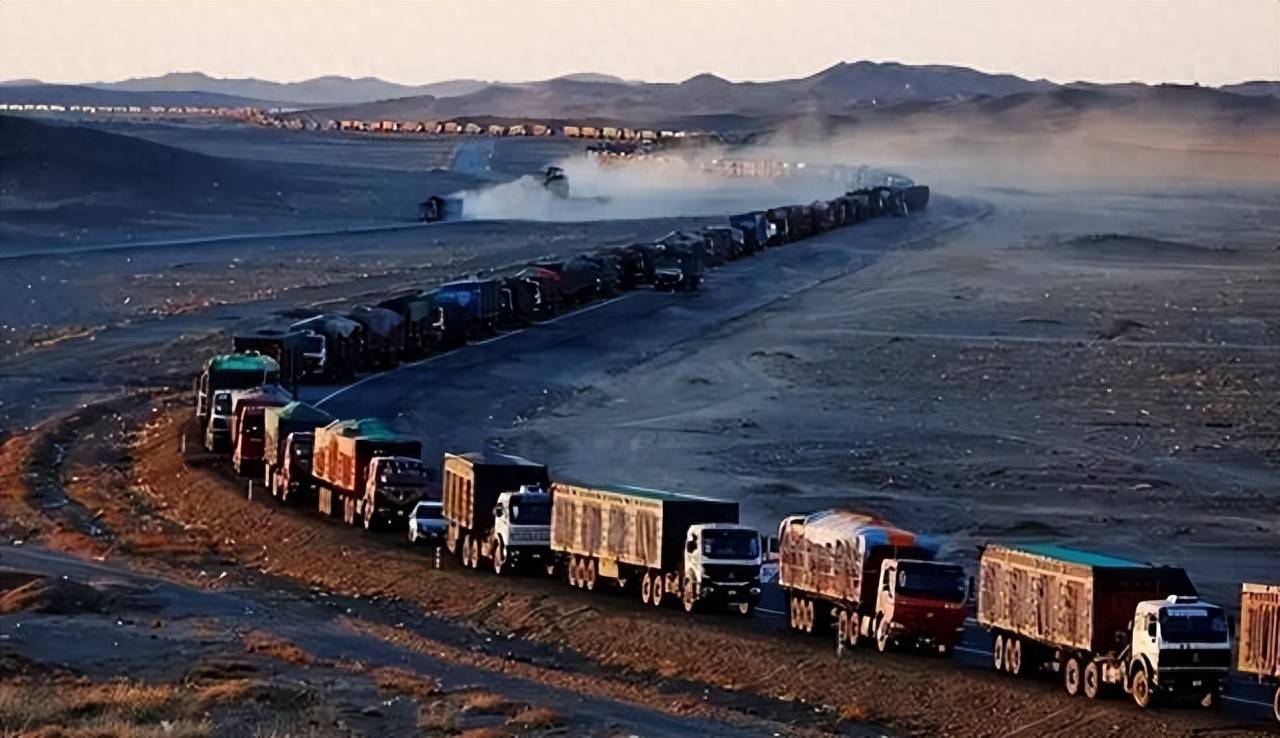
俄油博弈背后的三重杀招,中国学者一句话揭穿真相
Sou Hu Cai Jing· 2025-07-22 23:11
Core Viewpoint - The ongoing geopolitical struggle over energy security has intensified, particularly between the U.S. and China, with significant implications for global oil markets and trade dynamics [1][3][10]. Group 1: U.S. Actions and Responses - U.S. Treasury Secretary Yellen has threatened to impose up to 100% secondary tariffs on countries purchasing Russian oil, which has caused significant volatility in global energy markets [3][6]. - Trump's ultimatum to Russia regarding oil imports aims to cut off funding for the ongoing conflict, with a deadline set for August 1 [1][6]. - The U.S. government's hardline stance has been met with skepticism, as analysts warn that such tariffs could lead to a new trade war and increase inflation in the U.S. [6][10]. Group 2: China's Position and Strategy - China has firmly stated its commitment to maintaining energy cooperation with Russia, with projected imports of Russian oil reaching $76.4 billion in 2024, accounting for 30% of its total oil imports [5]. - The Chinese government has drawn a clear line against unilateral sanctions and has emphasized the importance of national sovereignty in its energy dealings [5][10]. - China's energy strategy includes significant investments in Russian projects, such as the "Power of Siberia 2" pipeline and Arctic LNG projects, which rely on Chinese funding and technology [5][10]. Group 3: Global Energy Market Dynamics - The geopolitical tensions are reshaping the global energy landscape, with a shift towards a multipolar energy structure involving China, Russia, and Iran [10]. - Emerging market countries are increasingly resistant to U.S. sanctions, with nations like Turkey, Hungary, and Serbia continuing to import Russian oil [10]. - Analysts suggest that the U.S. strategy may backfire, as high oil prices resulting from sanctions could contradict political commitments to control inflation [6][10].
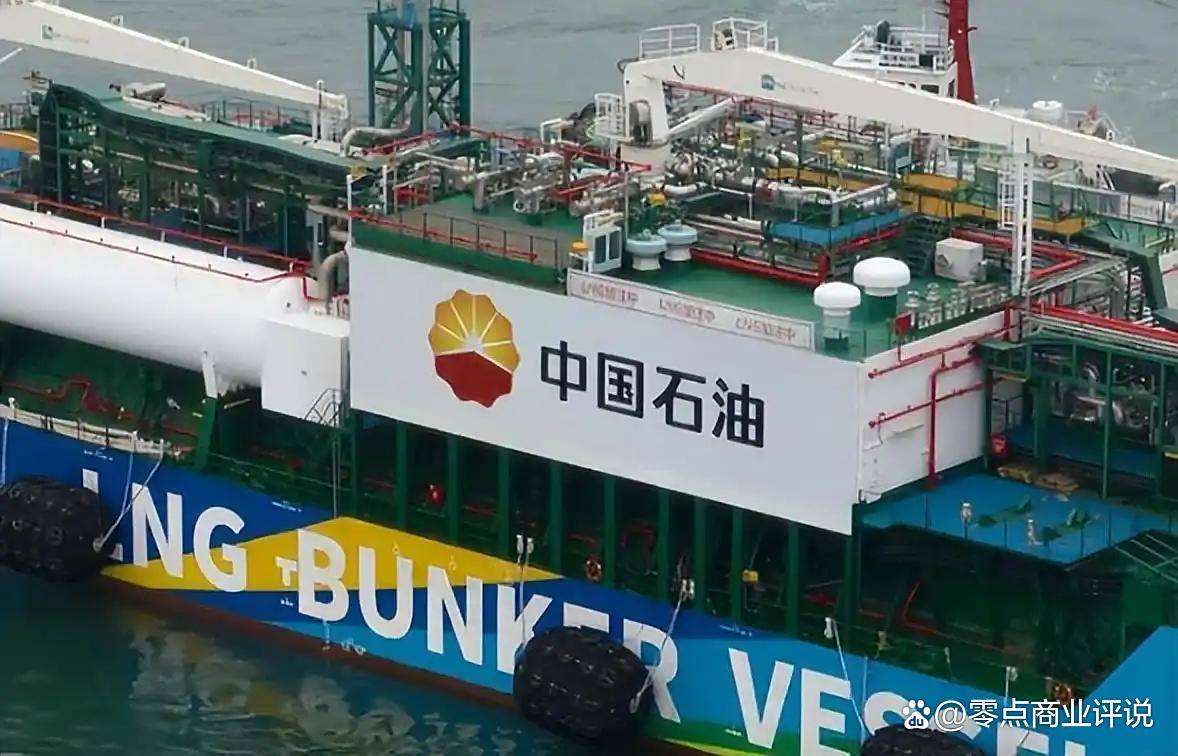
欧洲又一扇大门,对普京关闭,俄看清现实,只有中国不会落井下石
Sou Hu Cai Jing· 2025-06-05 16:51
Core Viewpoint - The global natural gas market is undergoing significant upheaval, with Russia facing unprecedented challenges following the Nord Stream pipeline explosion and the need to explore new supply routes to Europe and beyond [1][3]. Group 1: Impact of Nord Stream Explosion - The Nord Stream pipeline explosion has not only destroyed the pipeline but also severed a crucial economic link between Russia and Europe, resulting in a loss of gas supply capacity and substantial euro revenue for Russia [3]. - This incident has raised concerns about energy supply security in Europe, leaving a lasting shadow over future energy relations [3]. Group 2: Shift to Turkey and Its Challenges - In an attempt to regain control over European gas supplies, Putin proposed a bold plan to establish a "gas transportation hub" through Turkey, reflecting a desperate measure as traditional routes have become unviable [3]. - Turkey's geographical advantages and existing diplomatic relations with Russia were key factors in this choice, but the insufficient pipeline capacity and management disagreements led to a breakdown in negotiations [5][8]. Group 3: Focus on China as a Reliable Market - With the Turkish route proving unfeasible, Russia is shifting its focus to China, which is seen as a more reliable market for gas exports [6]. - The efficient operation of the Eastern Route pipeline has built a strong foundation of trust between China and Russia, especially amid fluctuating global energy prices [6]. Group 4: Development of New Pipelines - Russia is actively advancing the construction of the Far East route, which is a critical component of its eastern export strategy, with expectations for it to be operational by 2027 [9]. - The "Power of Siberia 2" pipeline is also under negotiation, with a planned annual gas supply capacity of 50 billion cubic meters, comparable to that of Nord Stream 1, indicating a significant strategic shift in Russia's energy export plans [9][12]. Group 5: Long-term Energy Cooperation - The energy cooperation between China and Russia is characterized as a long-term partnership rather than a one-time transaction, with China having a diversified energy procurement strategy and a commitment to sustained collaboration [10]. - The shift away from reliance on Turkey has underscored the importance of stability in international energy relations, with China emerging as a dependable partner for Russia [12].