
西地碘含片

Search documents
视频丨“中招”流感该如何应对?专家提醒
Yang Shi Xin Wen Ke Hu Duan· 2025-12-06 12:04
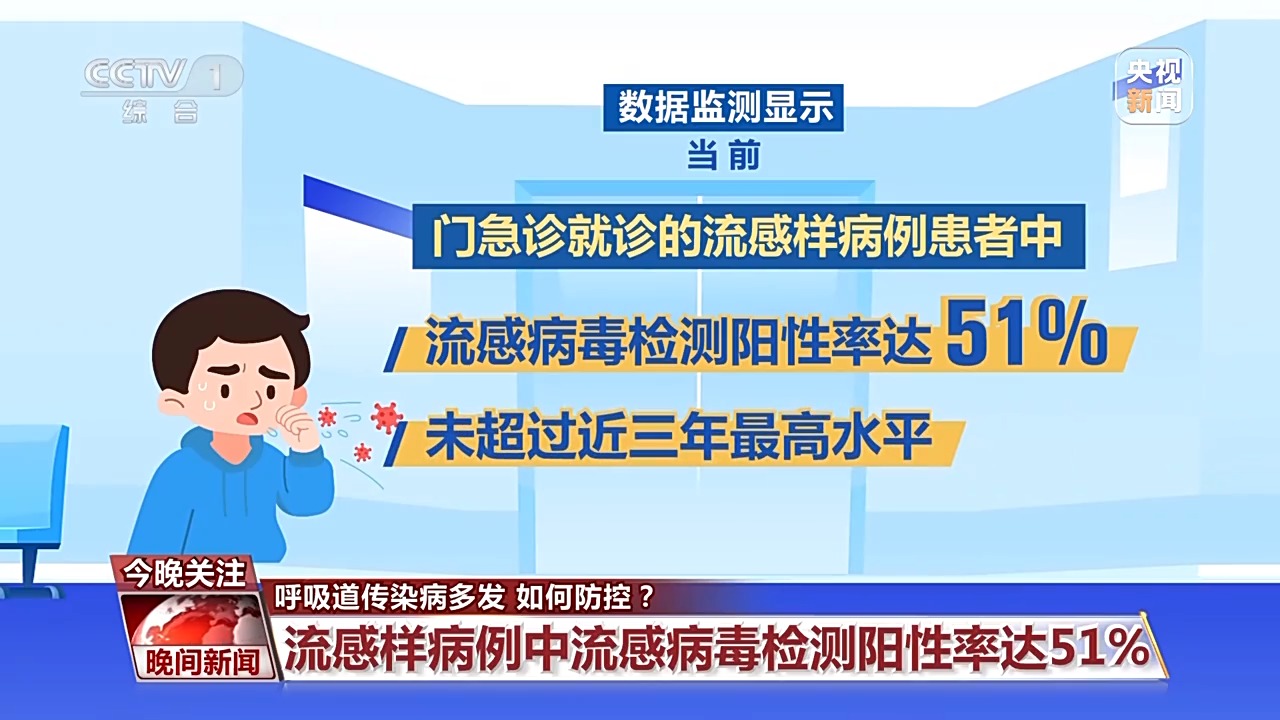
Core Viewpoint - The recent fluctuation in temperature has led to a decline in human immunity, resulting in a significant rise in flu cases across China, with 17 provinces currently at a high prevalence level and expectations of peak cases in mid-December [2] Group 1: Flu Trends and Statistics - Nationwide, the positive rate of flu virus detection among outpatient and emergency visits has reached 51%, which is below the highest levels recorded in the past three years [4] - It is anticipated that the flu will peak in early to mid-December, indicating a potential increase in cases [2] Group 2: Treatment and Symptom Management - Antiviral medications can inhibit virus replication and shorten the duration of the illness, but they do not directly alleviate symptoms such as high fever and sore throat, which are caused by the body's inflammatory response [4] - Recommended medications for symptom relief include antipyretics and analgesics like ibuprofen and acetaminophen, which can reduce fever and alleviate pain [6] Group 3: Transmission and Contagion - Flu patients and asymptomatic carriers are the primary sources of transmission, with infectiousness lasting from the end of the incubation period to the acute phase, typically for 3-7 days, but may extend longer in children and immunocompromised individuals [8] - Criteria for determining when a flu patient is no longer contagious include having a normal temperature for over 24 hours and significant symptom improvement for more than 48 hours [10]

“中招”流感该如何应对?专家提醒
Yang Shi Xin Wen Ke Hu Duan· 2025-12-06 12:03
Group 1 - The core viewpoint of the articles highlights the current high prevalence of influenza across China, with 17 provinces experiencing high levels of flu activity and the expectation of peak cases in mid-December [1] - Data monitoring indicates that the positive rate of influenza virus detection among outpatient cases has reached 51%, which is not exceeding the highest levels seen in the past three years [3] - Experts recommend the use of antiviral medications to inhibit virus replication and shorten the duration of illness, although these medications do not directly alleviate symptoms such as fever and sore throat [3] Group 2 - Medical professionals suggest using antipyretic and analgesic medications like ibuprofen and acetaminophen to relieve symptoms such as high fever and body aches [5] - There are risks associated with the practice of sweating out a cold, as it may lead to increased body temperature and potentially life-threatening situations [7] - Criteria for determining when a flu patient is no longer contagious include having a normal temperature for over 24 hours and significant symptom improvement for more than 48 hours [9]
科普·呼吸道传染病如何防控?选择对症药物要注意什么?一文梳理
Yang Shi Wang· 2025-12-06 03:27
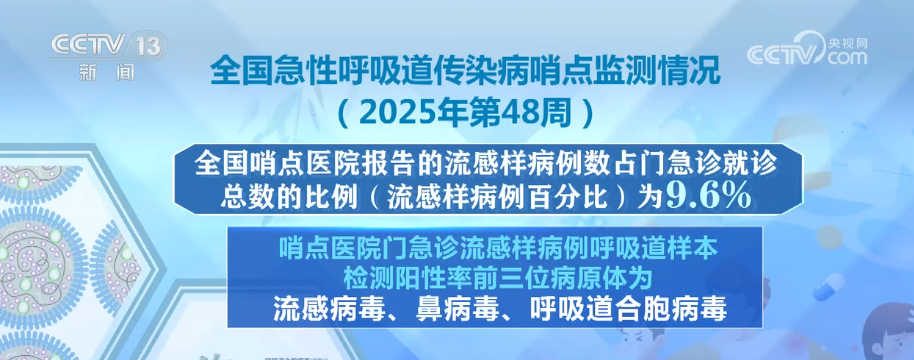
Core Insights - The article highlights the current situation of respiratory infectious diseases in China, particularly focusing on influenza activity and the response from health authorities [1][3][4]. Group 1: Influenza Activity - The percentage of influenza-like cases reported by sentinel hospitals across the country is 9.6% of total emergency visits [1] - Influenza activity is at a moderate to high level in various provinces, with a notable increase in reported cases among school-aged children (ages 5 to 14) [3] - The positive detection rate for respiratory syncytial virus (RSV) is declining, while the detection rate in the 0 to 4 age group remains significantly higher than in other age groups [3] Group 2: Health Authorities' Response - The National Health Commission and the CDC have deployed measures to enhance monitoring and increase medical service supply, optimizing the medical service process [4] - Various regions are actively responding by increasing healthcare capacity, implementing strict triage protocols, and separating suspected and confirmed flu cases to prevent cross-infection [6][8] - Medical institutions are ensuring 24-hour service in fever clinics and respiratory departments, while also maintaining adequate supplies of medications and vaccines [8] Group 3: Patient Care and Treatment - The article discusses the importance of antiviral medications in treating influenza, emphasizing that they should be taken within 48 hours of symptom onset to reduce complications and shorten the illness duration [18][20] - It is advised that patients should consult healthcare professionals before using antiviral drugs and consider having them on hand for quick access if needed [20] - The article also mentions the use of symptomatic treatments, such as antipyretics and pain relievers, to alleviate flu symptoms [11][13][25]
科普·呼吸道传染病如何防控?选择对症药物要注意什么?一文梳理↓
Yang Shi Wang· 2025-12-05 12:50
Core Viewpoint - The current situation of respiratory infectious diseases in China indicates a significant prevalence of influenza, with a reported percentage of influenza-like cases at 9.6% of total emergency visits, and the main pathogens identified are known common viruses [1][3][4] Group 1: Current Situation and Trends - The influenza activity across provinces is at a moderate to high epidemic level, with a notable increase in reported cases among school-aged children (5 to 14 years), whose positive detection rate is significantly higher than other age groups [3] - The positive detection rate of respiratory syncytial virus (RSV) is on a downward trend, while the detection rate in the 0 to 4 years age group remains notably high [3] Group 2: Government Response and Healthcare Measures - The National Health Commission and the CDC have deployed measures to enhance monitoring and increase healthcare service supply, optimizing medical service processes [4] - Various regions are implementing strategies to reduce cross-infection risks, such as using internet hospitals for follow-up consultations and strict triage protocols in emergency departments [6][8] Group 3: Treatment and Medication Guidance - Antiviral medications should be taken as soon as possible after flu symptoms appear to reduce complications and shorten the duration of the illness [9][16] - It is advised to use symptomatic medications, such as antipyretics and analgesics, to alleviate symptoms like fever and body aches, while ensuring proper hydration [11][12][24] - Caution is advised against using multiple combination cold medications simultaneously to avoid overlapping ingredients that could increase the body's burden [14] Group 4: Public Awareness and Education - Healthcare institutions are utilizing various channels, including social media, to educate patients and their families about respiratory infectious diseases and preventive measures [8]