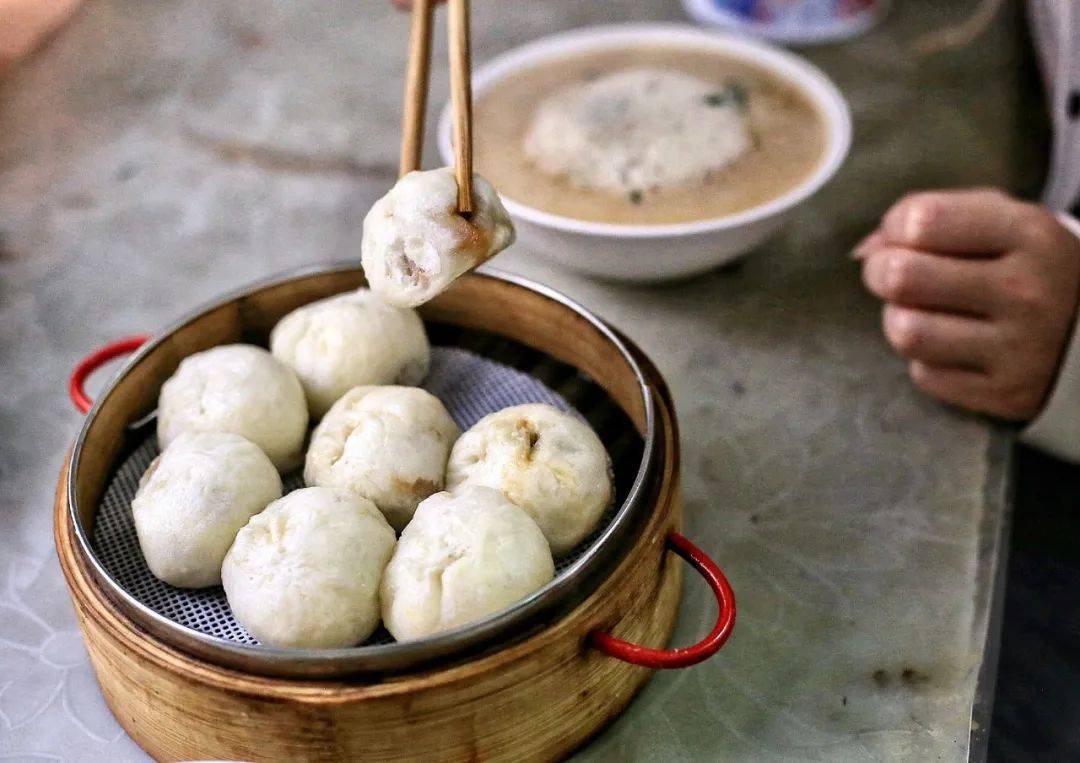
豆腐包

Search documents
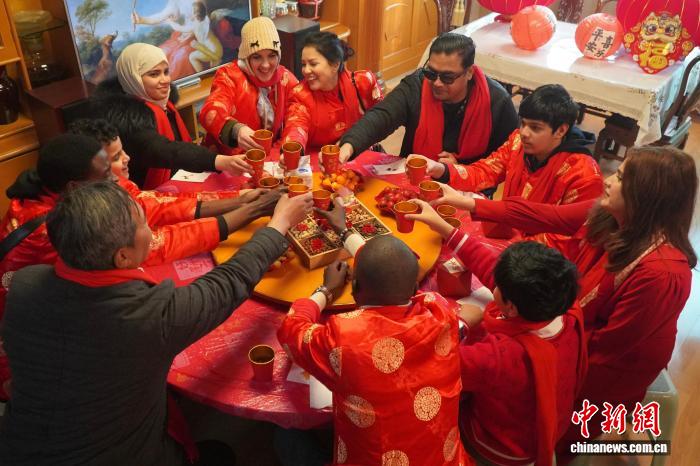
(新春见闻)浙江义乌外籍居民谈新年习俗:文化相通 热闹相同
Zhong Guo Xin Wen Wang· 2026-02-04 07:11
Core Viewpoint - The event in Yiwu, Zhejiang, highlights the cultural exchange and community spirit among local and foreign residents as they celebrate the upcoming Chinese Lunar New Year together, showcasing shared values despite diverse backgrounds [1][2]. Group 1: Cultural Exchange - Foreign residents in Yiwu actively participate in traditional Chinese customs, such as making dumplings, which fosters a sense of community and cultural appreciation [2]. - The event serves as a platform for foreign residents to share their own New Year traditions, emphasizing mutual respect and understanding among different cultures [2]. Group 2: Economic Impact - Yiwu, known as the "World Commodity City," exports over 2.1 million types of goods to 231 countries and regions, indicating its significant role in global trade [1]. - The presence of over 30,000 foreign residents in Yiwu contributes to the local economy and cultural diversity, with the Chicken Ming Mountain community being home to over a thousand foreign residents from 74 countries [1].

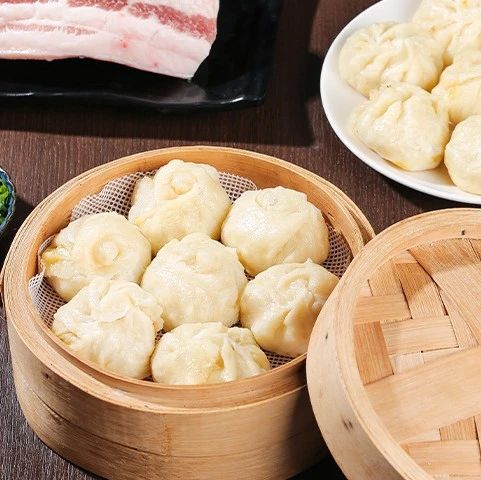
中国最「难吃」的菜系,却承包了每个城市的早餐?
36氪· 2025-05-22 00:06
Core Viewpoint - The article discusses the recent Michelin Guide for Hangzhou, highlighting the absence of the well-known "Hangzhou Xiaolongbao" (soup dumplings) from the list, despite its popularity and cultural significance in the region [3][4][5]. Group 1: Michelin Guide and Local Cuisine - The 2025 Michelin Guide for Hangzhou includes a list of affordable restaurants, known as "Bib Gourmand," featuring local delicacies such as fried eel noodles and wontons, but notably excludes "Hangzhou Xiaolongbao" [3][4]. - The author reflects on the personal connection to "Hangzhou Xiaolongbao," which is often associated with the city despite its origins in neighboring Shengzhou [9][10]. Group 2: Shengzhou's Culinary Identity - Shengzhou, a county-level city under Shaoxing, is characterized by its rich culinary culture, particularly its variety of dumplings and buns, which are integral to local identity [12][14]. - The article emphasizes the unique types of buns found in Shengzhou, such as "fresh meat big buns" and "tofu small buns," showcasing the diversity and innovation in local cuisine [21][23]. Group 3: Historical Context and Economic Impact - The history of Shengzhou's dumpling-making can be traced back to the 1980s when local residents began to migrate and establish businesses, leading to the proliferation of Shengzhou-style buns across the country [45][47]. - The local snack industry, particularly "Shengzhou snacks," has grown into a significant economic sector, with an annual output value exceeding 100 billion yuan, driven by the popularity of dumplings and other local specialties [47][49].
中国最“难吃”的菜系,却承包了每个城市的早餐?
Hu Xiu· 2025-05-20 08:33
Group 1 - The recent release of the 2025 Michelin Hangzhou list includes a section for affordable restaurants, highlighting local flavors such as fried eel noodles and wontons, but notably excludes "Hangzhou dumplings" [1][7] - The absence of "Hangzhou dumplings" on the Michelin list raises questions about the recognition of local culinary traditions, particularly the connection to the neighboring city of Shengzhou, known for its dumplings [8][46] - Shengzhou, a county-level city under Shaoxing, is characterized by its rich culinary heritage, particularly its dumplings, which are often overshadowed by the more famous "Hangzhou dumplings" [11][46] Group 2 - Shengzhou's dumpling culture has historical roots dating back to the 1980s when local residents began to migrate and establish dumpling shops in larger cities, often using the more recognizable "Hangzhou" name for branding [49][51] - The local economy has significantly benefited from the dumpling industry, with Shengzhou snacks generating an annual output value exceeding 10 billion yuan, particularly through the popular "Shengzhou dumplings" [51] - The unique characteristics of Shengzhou dumplings, including variations like tofu-filled dumplings, showcase the region's culinary innovation and adaptability, contributing to its growing reputation [42][46]