豆苗

Search documents
湟水河畔“蔬”香远 高原沃土育“金”牌
Xin Lang Cai Jing· 2026-02-12 19:35
Core Insights - The goal of creating the largest high-quality vegetable production base in the province is being pursued by Haidong City's Ledou District, aiming for ecological beauty, industrial prosperity, and increased wealth for the people by 2025 [1] - The area has surpassed 120,000 acres of vegetable planting, accounting for nearly 40% of Qinghai's total production, with products reaching major cities and international markets [1] Group 1: Technological Empowerment - The Jiangwan Village green vegetable seedling base, covering over 100 acres, has an annual production capacity of 25 million seedlings, meeting local demand and supplying 7 million high-quality seedlings to neighboring areas, creating over 11,000 jobs with an average income increase of over 20% [1] - The district promotes integrated water and fertilizer technology across 10,500 acres of demonstration fields, achieving 65% water savings, 50% fertilizer savings, and over 20% increase in yield [1] Group 2: Brand Leadership - In 2025, Ledou District will sign direct contracts for potato exports to Russia and cabbage exports to Vietnam, establishing a closed-loop foreign trade system with a 30% reduction in logistics costs [2] - The district has certified 9 green food products, 9 organic products, and 19 geographical indication products, enhancing the marketability of "Ledou" agricultural products [2] Group 3: Agricultural Cooperation and Economic Growth - The cooperative model in Hongshui Town's Doumiao base has created jobs for over 20 villagers and attracted additional workers, with daily harvests of 2,000 pounds of fresh bean sprouts supplied directly to first-tier cities [3] - The district's new business entities have a radiation and driving rate of 36%, with an average income increase of 2,500 yuan per farmer, and collective economic benefits exceeding 55 million yuan [3]
治理撂荒有“粮”策!汕尾陆河推行“耕地银行”促增收
Nan Fang Nong Cun Bao· 2025-10-17 11:30
Core Viewpoint - The article discusses the innovative "land bank" initiative in Luhua County, Shantou City, aimed at revitalizing idle farmland and enhancing agricultural productivity, particularly in the context of the 45th World Food Day [2][5][6]. Group 1: Land Bank Initiative - Luhua County is implementing a "land bank" model to address the challenges of fragmented farmland and seasonal abandonment, which has led to a decline in agricultural productivity [8][10]. - The "land bank" allows farmers to deposit idle land, which is then consolidated and leased to agricultural enterprises, transforming "idle" land into productive farmland [15][22]. - Since the beginning of the year, the "land bank" has successfully transferred over 15,000 acres of land, attracting 15 agricultural entities and creating a new path for farmers to increase income and enhance agricultural efficiency [22][23]. Group 2: Agricultural Development Strategies - Luhua County is establishing a three-tier service system to facilitate land integration, consisting of a county-level platform, town-level branches, and village-level service stations [13][14]. - The county is also implementing a classification system for farmland, using a "red-yellow-blue" warning system to guide land restoration and optimization efforts [27][28]. - Specific areas have been designated for targeted agricultural practices, such as restoring 4,400 acres of low-yield land and developing crop rotation models on 6,500 acres to enhance soil fertility and productivity [29][30]. Group 3: Economic Impact and Employment - The integration of farmland has led to the establishment of modern agricultural bases, which are expected to supply high-end markets, including partnerships with major retailers like Sam's Club and KFC [41][42]. - The "supply and marketing farm" model is being used to create an integrated production and sales system, which is expected to boost local employment and farmer income [45][46]. - The initiative is projected to generate significant employment opportunities, with each acre of land potentially bringing in additional income through leasing and labor opportunities [55][56]. Group 4: Future Outlook - The "land bank" initiative is part of a broader strategy to align with national food security goals, focusing on systematic reforms to enhance agricultural productivity and rural revitalization [64][65]. - Luhua County aims to continue optimizing its collaborative mechanisms involving government guidance, market operations, and community participation to achieve sustainable agricultural development [65].


一个普通村庄的巨变:乡土社会流失
Hu Xiu· 2025-08-25 00:59
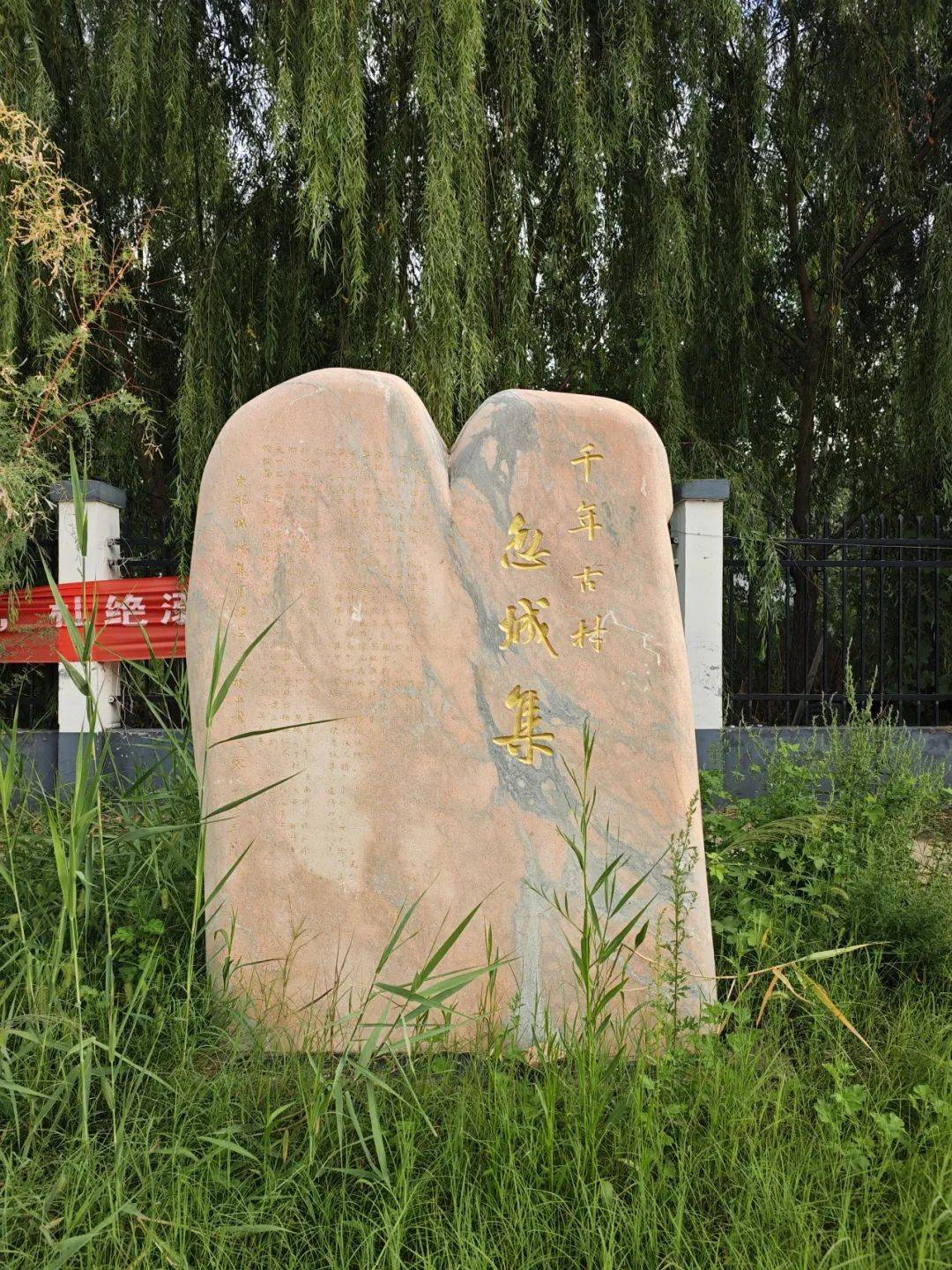
Core Points - The article discusses the historical and cultural significance of Hucheng, a small village with a rich past, including its transformation from a bustling market town to a quieter rural community [3][4][10] - It highlights the changes in agricultural practices and the impact of modernization on the village's economy and social structure [16][17][40] - The narrative reflects on the village's traditions, festivals, and the evolution of its community life over the decades [11][19][37] Historical Background - Hucheng, originally known as Huchengji, has a history dating back to the Jin Dynasty, with its name derived from a planned city that was never built due to unfavorable feng shui [4][5] - The village became a market hub during the Yuan Dynasty, attracting merchants and pilgrims, leading to the establishment of various temples and a vibrant community [4][7] - The village's infrastructure included well-connected roads to major cities, making it a significant location historically [5][7] Cultural Aspects - The village has a diverse population with multiple surnames, indicating a long history of settlement and community evolution [8] - Traditional celebrations, such as weddings and funerals, are significant events that bring the community together, although modern trends have shifted some practices to nearby towns [10][11] - The article notes the decline of traditional food and customs as modernization takes hold, with concerns about the loss of cultural heritage [20][41] Agricultural Changes - The agricultural practices in Hucheng have evolved from traditional methods to modern machinery, significantly increasing efficiency [16][17] - The introduction of chemical fertilizers and advanced farming equipment has transformed the landscape, but also raised concerns about environmental degradation [17][18] - The article emphasizes the need for sustainable practices to preserve the ecological balance while maintaining agricultural productivity [18][40] Modern Developments - Recent government initiatives have led to infrastructure improvements, including road upgrades and the construction of community facilities, enhancing the quality of life for residents [37][38] - The village is experiencing a demographic shift, with younger generations moving to urban areas for better opportunities, impacting the local economy and social fabric [16][40] - The narrative concludes with a hopeful outlook for Hucheng's future, emphasizing the importance of cultural preservation and community engagement in the face of modernization [40][41]