
购房券

Search documents
一张券,在武汉换了套三室两厅!
Sou Hu Cai Jing· 2026-01-15 09:54
Core Viewpoint - The introduction of "housing vouchers" in Wuhan's urban renewal project allows residents to independently select new homes, improving their living conditions and satisfaction levels [3][7]. Group 1: Housing Voucher System - The "housing voucher" system provides residents with a value equivalent to the assessed price of their old homes, plus an additional reward amount, enabling them to choose new homes from a wider selection [5][9]. - This system replaces the previous government-assigned housing options, allowing residents to have more control over their housing choices, which enhances overall satisfaction and efficiency in the relocation process [7][9]. Group 2: Implementation and Impact - Since the launch of the "housing voucher" program on June 27, 2025, a total of 462 vouchers have been issued, all of which have been utilized for purchasing new homes, covering a total area of 31,800 square meters [9]. - The process from issuing the relocation order to land listing has been expedited, taking only six months, which reflects the efficiency of the new system [9].

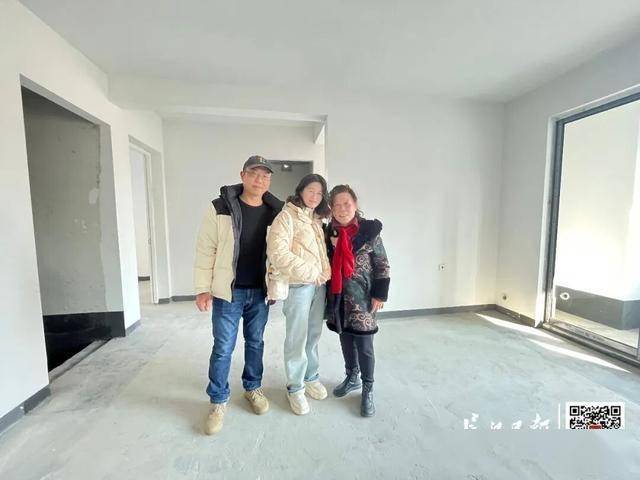
换购房有“新凭证”:“购房券”置换新房快捷又称心
Chang Jiang Ri Bao· 2026-01-15 00:46
Core Viewpoint - The article highlights the successful implementation of a "housing voucher" system in Wuhan's Qiaokou District, allowing residents to exchange old homes for new ones, significantly improving their living conditions and satisfaction with the housing process [1][5]. Group 1: Housing Voucher System - The "housing voucher" serves as a new method for residents to replace old homes, with its face value based on the assessed value of the old property plus an additional reward amount [5]. - Residents can choose from a wider range of new homes in a "housing resource supermarket," allowing for greater autonomy in selecting their living spaces [6][5]. - The process has been streamlined, enabling residents to complete the selection and purchase of new homes quickly, with dedicated support throughout the process [6][5]. Group 2: Project Implementation and Impact - Since the launch of the "housing voucher" program on June 27, 2025, a total of 462 vouchers have been issued, all of which have been utilized for purchasing homes, covering a total area of 31,800 square meters [7]. - The time taken from issuing the expropriation order to land listing was only six months, indicating an efficient project execution [7]. - The initiative has led to improved resident satisfaction and quicker transitions to new homes, addressing long-standing issues related to old housing conditions [1][6].

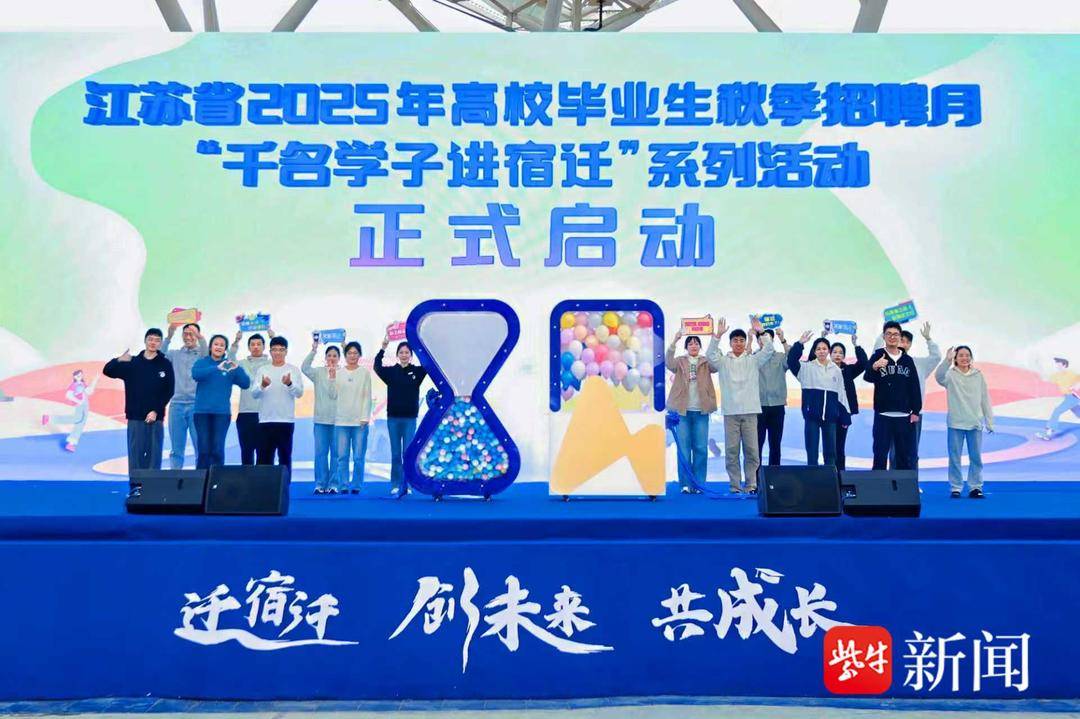
宿迁力争五年引进20万名大学生,打造长三角“青春友城”
Yang Zi Wan Bao Wang· 2026-01-12 10:54
Core Viewpoint - Suqian City has launched the "14th Five-Year Plan" for attracting university students, aiming to recruit 200,000 students over the next five years to drive high-quality urban development [1] Group 1: Action Plan Details - The action plan includes differentiated and precise support measures covering the entire growth chain from internships to employment, addressing the diverse needs of university graduates [4] - Financial incentives include housing vouchers of up to 300,000 yuan and living subsidies of up to 80,000 yuan, with policies now also supporting vocational college graduates [4] Group 2: Infrastructure and Support Systems - The plan promotes the construction of youth-friendly commercial districts and the "Suqian Talent e-Home" platform, creating a "one-stop" talent service ecosystem [5] - Initiatives like the "Return of Swallows Plan" will provide up to 21,600 yuan in subsidies for returning Suqian graduates, encouraging talent repatriation [5] Group 3: Innovation and Entrepreneurship Support - The city aims to create a "worry-free entrepreneurship" environment by providing multi-dimensional support in platforms, funding, and services, including zero-rent entrepreneurial spaces and a talent innovation fund [5] - Financial products such as "Chuying Loan" and "Chuying Insurance" will be introduced to assist university students in overcoming entrepreneurial challenges, with project funding of up to 5 million yuan available [5] Group 4: Implementation and Collaboration - Suqian will establish a "1+9" system to ensure effective implementation of the talent attraction initiatives, coordinating various departments to deliver support directly to talent [5] - The city has been recognized for its talent development, ranking among the top 20 in the Yangtze River Delta region for three consecutive years and being selected as one of China's best talent-attracting cities [8]
生育补贴怎样做更有效
2025-05-15 15:05
Summary of Key Points from the Conference Call Industry Overview - The conference call discusses the evolution and effectiveness of China's fertility policies, particularly focusing on the implementation of the three-child policy and associated subsidies since 2021 [1][3][4]. Core Insights and Arguments - China's fertility policy has shifted from strict limitations to a more supportive approach, with the three-child policy introduced in 2021, but the implementation and subsidy levels vary significantly across regions [1][3]. - Most regions favor subsidies for three children, but the overall subsidy amounts are low, with many areas providing less than 20% of annual income as subsidies [1][6]. - The city of Tianmen in Hubei has effectively increased birth rates and stimulated the real estate market through a combination of cash and housing vouchers, leading to over a six percentage point increase in real estate investment and sales [1][7][8]. - The effectiveness of fertility policies varies widely; for instance, Tianan's substantial subsidies led to significant improvements in birth rates, while regions like Heilongjiang, despite high subsidies, continue to see poor birth rates due to population outflow [1][9]. - Evaluating the impact of fertility policies requires considering economic conditions, housing prices, fertility willingness, and population structure, with total fertility rate being a more suitable measure than birth rate alone [1][10]. Additional Important Content - Local government fertility subsidy policies have had limited effects, primarily due to macroeconomic pressures leading to population outflow and insufficient fiscal capacity to support substantial subsidies [1][11][12]. - The current decline in China's total fertility rate is largely attributed to a significant drop in the one-child birth rate, necessitating a shift in policy focus towards supporting one-child families [2][13]. - Recommendations for optimizing the fertility support system include increasing overall subsidy amounts, focusing on one-child families, and implementing comprehensive coverage to alleviate financial burdens on young families [14][15]. - International experiences suggest that high fertility subsidies can positively correlate with increased birth rates, but East Asian countries face unique challenges that require more than just financial incentives to address low birth rates [16][17][18]. Recommendations for Investors - Investors should pay attention to sectors related to maternal and infant needs, as these may benefit from comprehensive fertility subsidy policies. However, the overall downward trend in newborn numbers and the decreasing population of women of childbearing age should be carefully considered when making investment decisions [21].