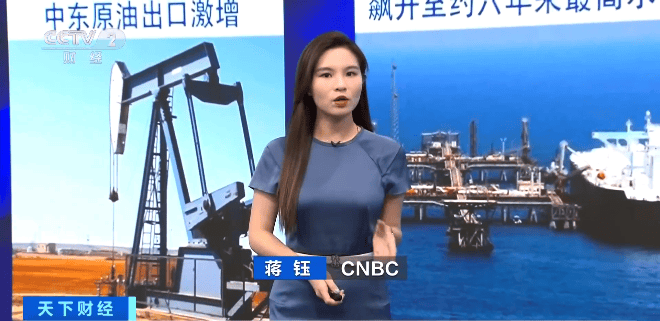
超大型油轮VLCC

Search documents
锡、镍、铜集体大涨!消息称特朗普政府计划用AI模型为关键矿产定价
Sou Hu Cai Jing· 2026-02-26 00:32
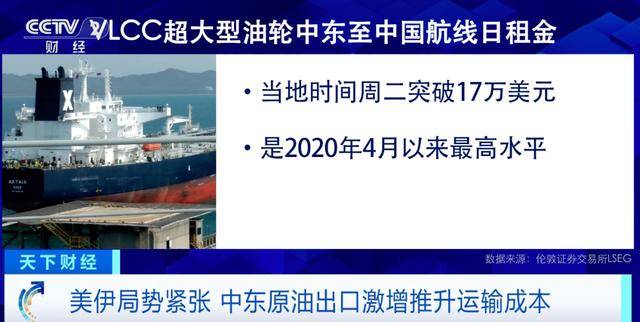
Group 1: Oil Shipping Market - The daily rental price for Very Large Crude Carriers (VLCC) from the Middle East to China has surpassed $170,000, the highest level since April 2020 [3] - The crude oil export volume from the Middle East exceeded 19 million barrels per day in February, also the highest since April 2020, driven mainly by Saudi Arabia, the UAE, and Iran [3] - Factors supporting the rise in VLCC rates include the return of Venezuelan oil to compliant shipping, which has reduced available shipping capacity [5] Group 2: OPEC+ and Global Demand - OPEC+ has increased production, leading to higher shipping demand [6] - Global refinery demand for crude oil remains strong, particularly with India shifting its oil purchases from Russia to the Middle East [6] Group 3: Geopolitical Risks and Shipping Costs - If the U.S. takes military action against Iran, the "war risk" insurance rates may rise quickly, increasing overall crude oil shipping costs [8] - Shipping brokers indicate that as market risk expectations rise, freight rates will respond rapidly, influenced by higher insurance rates and shipowners demanding greater compensation for entering risk zones [8] Group 4: AI Pricing Model for Minerals - The Trump administration plans to use an AI model developed by the Pentagon to set reference prices for key minerals, aiming to establish a global metal trading zone [10] - The AI pricing model will initially focus on four key minerals: germanium, gallium, antimony, and tungsten, with plans to expand coverage later [12] - Following the announcement, the base metal market reacted quickly, with tin futures rising over 5.4%, nickel up about 3.6%, and copper increasing over 2% [14]

锡、镍、铜,集体大涨!一则消息引爆
Xin Lang Cai Jing· 2026-02-25 11:46
Group 1: Oil Shipping Market - The daily rental price for Very Large Crude Carriers (VLCC) from the Middle East to China has surpassed $170,000, marking the highest level since April 2020 [2] - The crude oil export volume from the Middle East exceeded 19 million barrels per day in February, also the highest since April 2020, driven mainly by Saudi Arabia, the UAE, and Iran [2] - Factors supporting the rise in VLCC rates include the return of Venezuelan oil to compliant fleets, increased production by OPEC+, and strong global refinery demand, particularly from India shifting its oil purchases from Russia to the Middle East [4] Group 2: Future Market Outlook - If the U.S. takes military action against Iran, and Iran retaliates by disrupting the Strait of Hormuz, "war risk" insurance rates may rise rapidly, increasing overall oil transportation costs [6] - Shipping brokers indicate that as market risk expectations rise, freight rates will respond quickly, influenced by higher war risk insurance rates, shipowners demanding greater compensation, and charterers locking in forward capacity early [6] Group 3: Mineral Pricing Initiative - The Trump administration plans to utilize an AI model developed by the Pentagon to set reference prices for key minerals, aiming to establish a global metal trading zone [8] - The AI pricing model will initially focus on at least four key minerals: germanium, gallium, antimony, and tungsten, with plans to expand coverage later [10] - Following the announcement, the base metal market reacted swiftly, with tin futures rising over 5.4%, nickel increasing by approximately 3.6%, and copper up by more than 2% [12]
美伊局势紧张 中东原油出口激增推升运输成本
Sou Hu Cai Jing· 2026-02-25 11:24
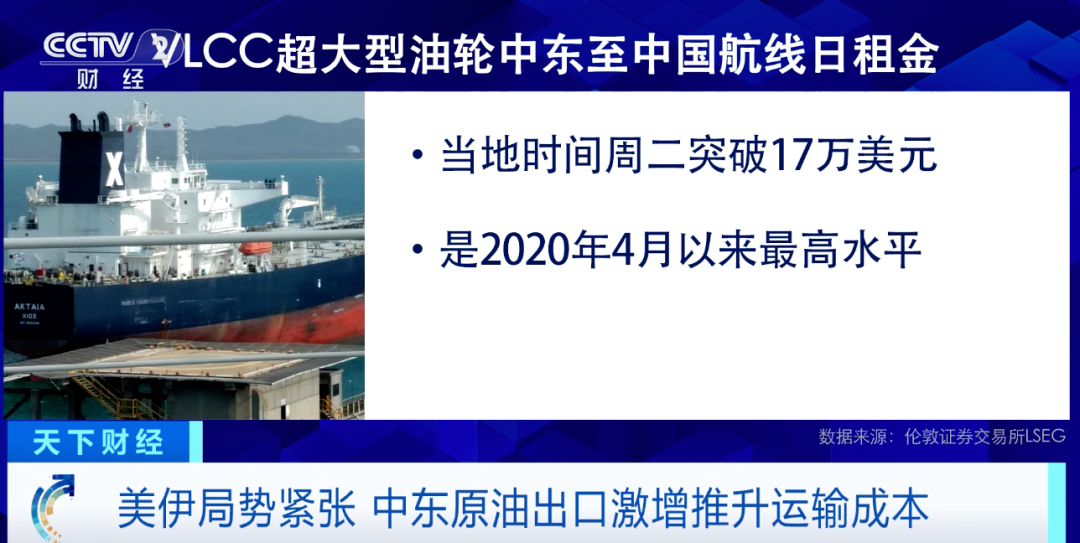
Group 1: Oil Market Insights - The daily rental price for Very Large Crude Carriers (VLCC) from the Middle East to China has surged to over $170,000, the highest level since April 2020, driven by increased oil exports and demand for shipping capacity amid rising tensions between the US and Iran [5][3] - Oil exports from the Middle East have exceeded 19 million barrels per day in February, also the highest since April 2020, primarily due to increased shipments from Saudi Arabia, the UAE, and Iran [5] - Factors supporting the rise in VLCC rates include the return of Venezuelan oil to compliant fleets, increased production by OPEC+, and strong global refinery demand, particularly from India, which is shifting its oil purchases from Russia to the Middle East [5] Group 2: Mineral Pricing Developments - The Trump administration plans to utilize an AI model developed by the Pentagon to set reference prices for key minerals, aiming to establish a global metal trading zone [9] - The AI pricing model will initially focus on four critical minerals: germanium, gallium, antimony, and tungsten, with plans to expand coverage later [9] - Following the announcement, prices for various base metals surged, with tin futures rising over 5.4%, nickel increasing by approximately 3.6%, and copper up by more than 2% [9]