
锑

Search documents
有色金属行业周报(2026.3.23-2026.3.29):地缘冲突持续扰动金属市场,短期承压不改长期看好-20260330
Western Securities· 2026-03-30 07:08
Investment Rating - The report maintains a long-term positive outlook on the non-ferrous metals industry despite short-term pressures from geopolitical conflicts and economic indicators [1][2]. Core Insights - The U.S. March PMI has decreased by 0.5 points to 51.4, indicating a slowdown in economic expansion, while input price indices have risen significantly, reflecting increased cost pressures [1][17]. - The ongoing conflict in the Middle East is affecting global metal markets, with rising costs and supply chain disruptions becoming evident [1][2]. - Zimbabwe's ban on lithium ore exports has intensified, leading to cash flow crises for local small mining companies [3][19]. - The UAE's Emirates Global Aluminium reported significant damage to its smelting facility due to attacks, impacting production capabilities [4][20]. - Indonesia has approved export taxes on nickel, reflecting budgetary pressures exacerbated by rising oil prices due to geopolitical tensions [5][21]. Summary by Sections Market Review - The non-ferrous metals sector outperformed the Shanghai Composite Index, with a weekly increase of 2.78%, driven by strong performances in energy metals [10][11]. Key Focus Areas & Metal Prices - **Industrial Metals**: Geopolitical tensions are increasing risks for aluminum production, with LME copper prices at $12,141.00 per ton, up 2.59% week-on-week [22][25]. - **Precious Metals**: COMEX gold prices decreased to $4,489.70 per ounce, reflecting a 0.05% decline, while silver prices showed mixed trends [37][38]. - **Energy Metals**: Lithium carbonate prices rose to 164,200 yuan per ton, up 11.28% week-on-week, amid tightening supply conditions [38][43]. Core View Updates and Key Stock Tracking - **Industrial Metals**: Recommendations include companies with integrated operations like China Hongqiao and others in the aluminum sector [52]. - **Precious Metals**: Continued central bank gold purchases suggest gold remains a key asset for long-term investment [53]. - **Strategic and Minor Metals**: Anticipated easing of export restrictions on certain rare earths and lithium-related products may lead to price increases [53]. Company Earnings Forecasts - Key companies such as Zijin Mining and Luoyang Molybdenum are highlighted with projected earnings per share and valuations, indicating strong growth potential [55][56].
有色金属行业双周报:地缘冲突持续扰动,有色金属全面下跌-20260325
Guoyuan Securities· 2026-03-25 02:53
Investment Rating - The report indicates a cautious approach towards investment opportunities in the non-ferrous metals sector due to ongoing geopolitical conflicts and fluctuating expectations regarding interest rate cuts by the Federal Reserve [5]. Core Insights - The non-ferrous metals industry index has decreased by 15.08% over the past two weeks, ranking last among 31 primary industries in the Shenwan index, reflecting significant market concerns regarding supply and demand dynamics [2][12]. - Precious metals have experienced a notable decline, with COMEX gold prices falling by 13.30% and COMEX silver prices dropping by 19.94% in the same period, influenced by inflation fears and a strong dollar [20]. - The tungsten market shows strong upward momentum, with black tungsten concentrate prices increasing by 11.44% over the past two weeks, driven by geopolitical tensions and domestic policy constraints [36]. Summary by Sections Market Review - The non-ferrous metals industry index fell by 15.08% from March 9 to March 20, 2026, with all sub-sectors, including small metals (-18.50%), precious metals (-12.52%), and industrial metals (-16.07%), showing declines [2][12]. Precious Metals - As of March 20, COMEX gold closed at $4,492.00 per ounce, down 13.30% over two weeks, while COMEX silver closed at $67.81 per ounce, down 19.94% [20]. - The report highlights the impact of geopolitical tensions and regulatory tightening on market liquidity, which has pressured precious metal prices [20]. Industrial Metals - LME copper prices were $12,021.50 per ton, down 6.14% over two weeks, while domestic copper prices averaged ¥95,470 per ton, down 5.60% [30]. - The report suggests that copper prices may seek a weak balance between macroeconomic pressures and cost support [30]. Small Metals - Black tungsten concentrate prices rose to ¥1,023,000 per ton, up 11.44% over two weeks, with a year-to-date increase of 123.85% [36]. - The report notes that the demand for high-end gallium products continues to rise, contributing to a 5.19% price increase for gallium [36]. Rare Earths - The China Rare Earth Price Index fell to 255.31, down 13.58% over two weeks, while praseodymium-neodymium oxide prices decreased by 17.35% [45]. - The report indicates that the rare earth sector is facing significant valuation pressure due to slowing demand growth [45]. Energy Metals - As of March 20, the average price of electrolytic cobalt was ¥431,000 per ton, down 0.12% over two weeks, while lithium carbonate prices averaged ¥149,000 per ton, down 4.03% [54]. - The report highlights the cautious market sentiment regarding the electric vehicle sector's growth [54]. Major Events - The report discusses the tightening of gold trading policies by several banks in response to market volatility, which may impact trading dynamics in the precious metals market [69]. - It also notes the recent government policies aimed at resource security and green transformation, which are expected to support the non-ferrous metals industry [70].





金属全品种会议
2026-04-01 09:59
Summary of Key Points from the Conference Call Industry Overview - The conference call primarily discusses the non-ferrous metals industry, focusing on aluminum, gold, silver, tin, rare earths, nickel, antimony, tungsten, and silicon iron. Core Insights and Arguments Aluminum - Geopolitical disturbances in the Middle East have triggered a reduction in electrolytic aluminum production by approximately 650,000 tons, accounting for about 0.86% of global output, which is expected to support aluminum prices in the short term [2][4] - The cost of energy constitutes about 40% of aluminum production costs, and rising energy prices or supply shortages could lead to further production cuts [3] - Historical data shows that during energy price surges, aluminum has demonstrated significant price elasticity, outperforming copper due to its high energy consumption nature [5] Gold and Silver - Gold is expected to maintain a positive long-term outlook, driven by U.S. fiscal expansion and changes in dollar credit, despite short-term fluctuations due to geopolitical events and liquidity issues [2][9] - Silver is anticipated to have a higher rebound elasticity compared to gold, supported by tight physical supply [10] Tin - Tin supply is constrained, with AI data centers contributing a 2.3% increase in demand. The company 兴业银锡 is highlighted as a top pick due to its expected capacity doubling by 2028, which could lead to a 200% increase in silver and tin production [2][17] Rare Earths - The supply-demand balance for rare earths remains tight, with production disruptions in Myanmar and domestic regulatory constraints supporting price increases. 北方稀土 is favored for trading strategies [2][19] - The demand for rare earths in 2026 is expected to be slightly weaker than in 2025, primarily due to slower growth in electric vehicles, but industrial robots and wind power sectors are projected to remain strong [21] Nickel - Nickel supply is under strong constraints due to reduced quotas in Indonesia and environmental policies. The company 利星资源 is noted for its high cost-performance ratio [2][14][15] Antimony and Tungsten - Antimony is gaining strength due to its strategic value in military applications, with potential for over 50% price appreciation compared to rare earths [2][18] - Tungsten prices are expected to remain stable due to strong demand from tool manufacturers, with limited new supply expected until late 2026 [23] Additional Important Insights - The impact of geopolitical events on the supply chain, particularly in the Middle East, is a significant concern for the aluminum market, affecting both raw material imports and finished product exports [3] - The overall sentiment in the precious metals market is shifting towards a recovery phase after recent volatility, with expectations of a V-shaped rebound in prices [8] - The strategic value of metals like antimony and rare earths is becoming increasingly recognized in the context of global geopolitical tensions, which may lead to higher valuations [18][22] This summary encapsulates the key points discussed in the conference call, providing insights into the current state and future outlook of various metals within the industry.
有色金属行业周报:宏观情绪承压,关注低位布局机会-20260323
East Money Securities· 2026-03-23 01:30
Investment Rating - The report maintains an "Outperform" rating for the non-ferrous metals industry, indicating expected performance above the market average [2][14]. Core Insights - The macroeconomic sentiment is under pressure, suggesting a focus on opportunities for low-position layouts in the non-ferrous metals sector [1]. - The report highlights the importance of monitoring downstream demand for copper, as macroeconomic conditions are currently challenging [6]. - The aluminum sector is experiencing a pullback, with a recommendation to consider low-position investments [10]. - The report emphasizes the potential for recovery in demand for steel, driven by increased new housing transactions and the acceleration of real estate project resumption [7]. Summary by Relevant Sections Copper - Recent prices for copper on LME and SHFE were $12,022 and ¥94,740 per ton, reflecting a week-over-week decline of 5.8% and 5.6% respectively [6]. - The report suggests focusing on companies with rich copper resource reserves, such as Zijin Mining and China Molybdenum [10]. Precious Metals - Gold prices on SHFE and London markets were ¥1,039.2 per gram and $4,595.1 per ounce, with a week-over-week decrease of 8.3% and 8.6% respectively [6]. - The report recommends considering companies like Zhongjin Gold and Zijin Gold International for investment opportunities [10]. Aluminum - Aluminum prices on LME and SHFE were $3,329 and ¥24,020 per ton, with week-over-week declines of 5.4% and 3.8% respectively [6]. - The report advises looking into companies such as Shenhuo Co. and China Aluminum for potential investments [10]. Minor Metals - Tungsten prices remained stable, while rare earth prices faced short-term pressure [6]. - The report highlights companies like Northern Rare Earth and China Rare Earth for investment in the rare earth sector [10]. Steel - The report notes a week-over-week increase in new housing transactions by 46.5% in major cities, indicating a potential improvement in steel demand [7]. - Recommended companies include Baosteel and Shougang for their leading capacity quality in the steel sector [10].
中国又发现四个新矿
第一财经· 2026-03-19 04:13
Core Viewpoint - The article highlights significant discoveries in mineral resources in China, particularly in Sichuan and Gansu, as part of the new round of mineral exploration strategy, showcasing the country's efforts to enhance its resource base and secure critical minerals for future development [1][3]. Group 1: Mineral Discoveries - Sichuan's Mianning County has reported the discovery of solid mineral resources, including rare earth elements, fluorite, barite, and antimony [1]. - The rare earth resources in Mianning County are quantified as follows: total resource amount of 9,665,612 tons, with proven resources at 1,567,985 tons, controlled resources at 4,575,765 tons, and inferred resources at 3,521,862 tons [2]. - The fluorite resources in the same area are reported with a total resource amount of 27,135,429 tons, proven resources at 2,747,778 tons, and inferred resources at 24,387,651 tons [2]. - Barite resources in Mianning County are detailed with a total resource amount of 37,227,720 tons, proven resources at 4,895,232 tons, and inferred resources at 32,332,488 tons [3]. - Gansu's Dangchang County has reported antimony resources with a total amount of 51,455 tons, proven resources at 36,011 tons, and inferred resources at 24,699 tons [3]. Group 2: Strategic Achievements - During the 14th Five-Year Plan period, China's new round of mineral exploration strategy has yielded impressive results, including the discovery of 10 oil fields with over 1 billion tons and 19 large gas fields [3]. - Key mineral resources such as uranium, copper, gold, lithium, and potassium salts have seen significant increases in resource quantities, with notable discoveries including a copper mine in Tibet exceeding 1 billion tons and a large gold mine in Shandong [3].

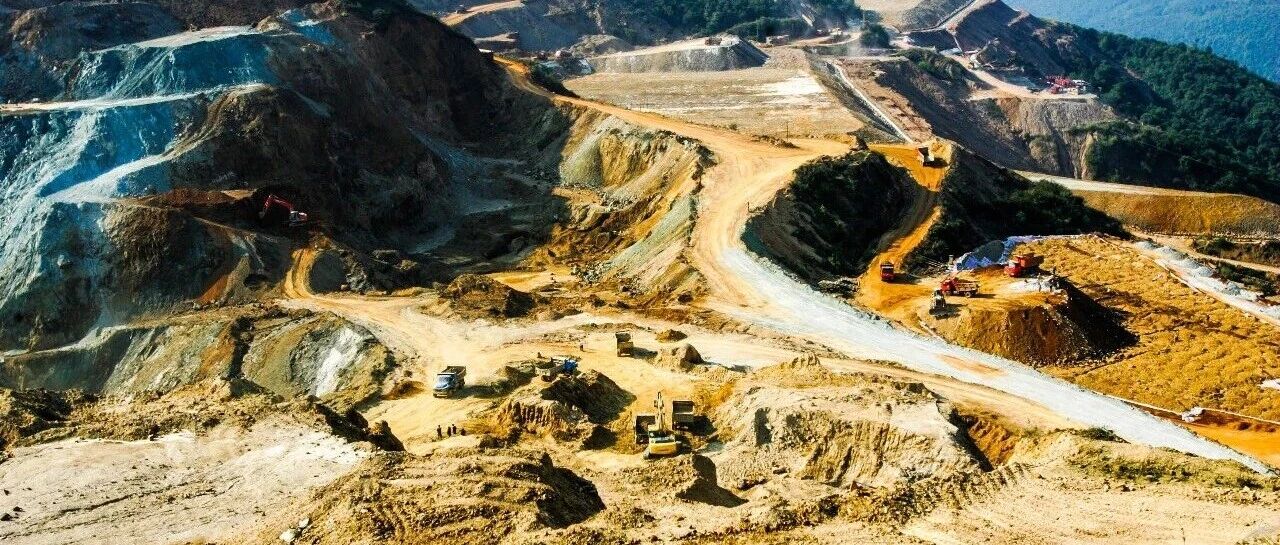
中国又发现四个新矿
财联社· 2026-03-18 16:06
Core Insights - China's new round of mineral exploration strategy has achieved significant breakthroughs, with discoveries of solid minerals such as rare earths, fluorite, barite, and antimony in Sichuan and Gansu provinces [1][2]. Group 1: Mineral Discoveries - In Mian County, Sichuan, the rare earth resources are estimated at 9,665,612 tons, with proven resources of 1,567,985 tons and controlled resources of 4,575,765 tons [2]. - The fluorite resources in the Ping mining area are reported at 27,135,429 tons, with proven resources of 2,747,778 tons and inferred resources of 24,387,651 tons [2]. - Barite resources are recorded at 37,227,720 tons, with proven resources of 4,895,232 tons and inferred resources of 32,332,488 tons [2]. - In Dangchang County, Gansu, the silver-antimony mining section has identified resources of 51,455 tons, with proven resources of 36,011 tons [2]. Group 2: Strategic Achievements - During the 14th Five-Year Plan period, China has discovered 10 new oil fields with over 1 billion tons and 19 large gas fields, significantly increasing the resources of key minerals such as uranium, copper, gold, lithium, and potassium salts [2]. - Notable discoveries include a copper mine in Tibet exceeding 1 billion tons, a large gold mine in Laizhou, Shandong, and Asia's largest single lithium mine in Yajiang, Sichuan, marking the emergence of several world-class resource bases [2].
有色金属行业周报(2026.3.9-2026.3.15):工业金属震荡蓄势,能源金属机会渐显-20260318
Western Securities· 2026-03-18 10:50
Investment Rating - The report does not explicitly state an investment rating for the industry Core Insights - The ongoing geopolitical conflicts in the Middle East have increased the risk of supply disruptions in the electrolytic aluminum sector, particularly with the complete shutdown of Qatar's Qatalum aluminum plant due to gas supply issues and the declaration of force majeure by Bahrain's Alba Aluminum [1] - The U.S. CPI for February increased by 2.4% year-on-year, with core CPI at 2.5%, indicating a slowdown in inflationary pressures, although rising energy prices due to geopolitical tensions may exacerbate living cost pressures for U.S. residents [2] - Four nickel plants in Indonesia have temporarily halted operations due to landslides, affecting 30% of the country's high-pressure acid leaching (HPAL) capacity, which may impact the global nickel supply chain [3] - China's trade surplus for January-February 2026 exceeded expectations, with exports surging by 21.8% year-on-year, indicating strong demand despite potential macroeconomic shocks [4] Summary by Sections Industrial Metals - The electrolytic aluminum supply chain faces systemic risks due to geopolitical tensions, with the Middle East's six countries having a combined capacity of 7.05 million tons per year, accounting for over 9% of global production [1] - Copper prices on the LME were $12,735.50 per ton, down 1.04% week-on-week, while aluminum prices increased by 0.23% to $3,439.00 per ton [19][23] - Nickel prices were reported at $17,320.00 per ton, down 0.74% week-on-week, with significant supply disruptions expected due to the Indonesian plant shutdowns [20][23] Precious Metals - Gold prices on COMEX fell to $5,023.10 per ounce, a decrease of 3.05% week-on-week, while silver prices dropped to $80.71 per ounce, down 4.76% [35][36] - The market is concerned about inflation rebounding due to rising oil prices, which may affect precious metal prices in the near term [35] Energy Metals - The price of lithium carbonate was reported at 156,900 yuan per ton, with a slight increase of 0.27% week-on-week, while cobalt prices remained stable despite global supply chain disruptions [37][40] - The report highlights the potential for upward price movement in cobalt due to supply constraints and increased demand from downstream industries [40] Strategic Metals - The average price of praseodymium oxide was 874,200 yuan per ton, reflecting a decrease of 5.16% week-on-week, while tungsten prices have seen significant increases [43] - The report suggests that strategic metals may benefit from easing export restrictions and a potential revaluation in the context of global supply chain independence [51]
又发现四个新矿
中国能源报· 2026-03-18 10:43
Group 1 - The article highlights new discoveries in solid mineral resources in China, specifically in Sichuan and Gansu provinces, including rare earths, fluorite, barite, and antimony [1][2] - The Sichuan Mian County rare earth mine has verified a total resource amount of 9,665,612 tons of rare earth oxides, with proven resources of 1,567,985 tons and inferred resources of 3,521,862 tons [1] - The fluorite resources in the same region amount to 27,135,429 tons, with proven resources of 2,747,778 tons and inferred resources of 24,387,651 tons [1] - The barite resources are reported at 37,227,720 tons, with proven resources of 4,895,232 tons and inferred resources of 32,332,488 tons [2] - In Gansu, the antimony mine has a total resource amount of 51,455 tons, with proven resources of 36,011 tons and inferred resources of 24,699 tons [2] Group 2 - During the 14th Five-Year Plan period, China's new mineral exploration strategy has yielded significant results, including the discovery of 10 billion-ton oil fields and 19 large gas fields [2] - Key mineral resources such as uranium, copper, gold, lithium, and potassium salts have seen substantial increases, with notable discoveries including a super billion-ton copper mine in Tibet and a large gold mine in Shandong [2]

行业比较周跟踪:A股估值及行业中观景气跟踪周报-20260315
Shenwan Hongyuan Securities· 2026-03-15 11:25
Investment Rating - The report does not explicitly provide an investment rating for the industry analyzed [1]. Core Insights - The report highlights the valuation comparisons across various indices and sectors, indicating that the overall market is at historical high percentiles for certain metrics, suggesting potential overvaluation in some areas [2][5][6]. - The report identifies specific industries with high PE and PB ratios, indicating sectors that may be overvalued, such as real estate and semiconductor industries, while also pointing out sectors like securities and food and beverage that are undervalued [2][7]. Valuation Summary Overall Market Valuation - The CSI All Share Index (excluding ST stocks) has a PE of 22.5x and a PB of 1.9x, positioned at the 82nd and 50th historical percentiles respectively [2]. - The Shanghai Composite Index has a PE of 11.5x and a PB of 1.3x, at the 58th and 37th historical percentiles [2]. - The ChiNext Index has a PE of 40.9x and a PB of 5.6x, at the 35th and 64th historical percentiles [2]. Industry Valuation Comparisons - Industries with PE ratios above the 85th historical percentile include real estate, automation equipment, retail, and IT services [2]. - Industries with PB ratios above the 85th historical percentile include electronics (semiconductors) and telecommunications [2]. - Industries with both PE and PB ratios below the 15th historical percentile include securities, food and beverage, medical services, and white goods [2]. Sector-Specific Insights New Energy - In the photovoltaic sector, polysilicon prices have shown mixed trends, with futures prices increasing by 8.0% while spot prices decreased by 3.1% [2]. - The battery materials market is experiencing price fluctuations, with lithium hexafluorophosphate down by 5.5% and lithium carbonate up by 2.7% [2]. Technology (TMT) - The Philadelphia Semiconductor Index rose by 1.8%, while the Taiwan Semiconductor Index fell by 1.1% [3]. Real Estate Chain - The steel market saw a 1.1% increase in spot prices for rebar, while cement prices decreased by 0.4% [3]. Consumer Sector - The average price of live pigs fell by 2.3%, and the wholesale price of pork dropped by 4.6% [3]. Midstream Manufacturing - Excavator sales decreased by 10.6% year-on-year in February, but exports increased by 38.8% [3]. Cyclical Industries - Brent crude oil prices increased by 11.3%, reaching $103.89 per barrel, marking a significant rise since the beginning of the year [3].
坚定看好稀土钨钼行情
2026-03-11 08:12
Summary of Conference Call on Rare Metals Industry Industry Overview - The focus is on the rare metals sector, specifically rare earths, tungsten, molybdenum, tin, and antimony [1][2][3][4][5][6][7][8]. Key Points on Rare Earths - Supply-side reforms have eliminated 5%-10% of global non-compliant production capacity, with a decline in operating rates observed in early 2026 [1][2]. - A significant increase in demand is expected due to overseas inventory replenishment, projected to drive an additional 6% demand [1][3]. - Prices for praseodymium and neodymium oxide are anticipated to exceed 1.1 million CNY/ton, with companies like Northern Rare Earth and China Rare Earth expected to see over 50% upside potential [1][3]. - The supply-demand balance for rare earths is expected to tighten by approximately 10% in 2026, with a slight decrease in global supply and a steady increase in demand [3]. Key Points on Tungsten - Domestic tungsten supply is projected to decline by over 5% due to environmental inspections and illegal mining crackdowns, while global supply growth is expected to be under 1% [1][4]. - Demand from both civilian and military sectors is strong, with an expected annual growth rate of 6%-7% [1][4]. - The price target for tungsten concentrate has been revised upwards to 1.3-1.5 million CNY/ton, indicating a bullish outlook for the sector [1][4]. Key Points on Molybdenum - Molybdenum is viewed positively due to stable internal demand, military-driven inventory replenishment expectations, and low inventory levels [5][6]. - Current inventory levels are around 20 days, similar to levels before the 2022 bull market, suggesting potential for a repeat of that market [6]. - Molybdenum prices are expected to exceed 6,000 CNY/ton, especially if tungsten prices continue to rise, creating a cost substitution effect [5][6]. Key Points on Tin and Antimony - Tin prices are driven by expectations of Indonesia's export ban, which may lead to strong overseas replenishment and support long-term price increases [7]. - Antimony is currently experiencing low export levels, with expectations for a trend recovery that could lead to price increases domestically once exports normalize [7][8]. Additional Insights - The investment priority in the rare metals sector is ranked as rare earths, tungsten, molybdenum, followed by tin and antimony, based on fundamental analysis and market sentiment [2]. - The overall sentiment in the rare metals market is bullish, with strong correlations to A-share liquidity being relatively weak for rare earths, tungsten, and molybdenum [2]. This summary encapsulates the critical insights from the conference call regarding the rare metals industry, highlighting the expected trends, price forecasts, and investment opportunities within the sector.