超级食物

Search documents
上海农食产品消费市场迈入“品质体验”新阶段
Xin Lang Cai Jing· 2026-01-30 00:02
Core Insights - China's economy is transitioning from scale expansion to quality enhancement, with a clear trend of consumer focus shifting from basic needs to quality experiences [1] - The food and agricultural industry is evolving from a supply chain component to a key driver of domestic demand and urban vitality, with Shanghai leading the exploration of "new quality growth" [1] Group 1: Market Trends - The Shanghai herbal health market has surpassed 70 billion yuan, with a compound annual growth rate of 15%, significantly higher than the national average [2] - The demand for clean ingredient lists is driving the sales of functional products like low glycemic index (GI) foods, with platforms like Sam's Club and Hema increasing their offerings [2] - Hema has launched over 40 self-branded low GI products by August 2025, while Dingdong Maicai's low GI project achieved a transaction total of 170 million yuan within six months, marking an 87% year-on-year increase [2] Group 2: Product Innovation - "Superfoods" are gaining popularity due to their rich nutritional profiles, with sales of such products increasing by 246% year-on-year during the Tmall "618" shopping festival [3] - Specific superfood products like Brazilian berry powder and chia seeds have seen significant growth, with increases of 60% and 120% respectively [3] - Technological innovations, such as high-pressure processing (HPP), are fundamentally changing product quality and shelf life, with applications expanding from juices to meats and ready-to-eat foods [3] Group 3: Consumer Behavior - The diversification of consumption scenarios is a key feature of consumption upgrades, with consumers seeking products that fit various contexts like office, fitness, and family gatherings [4] - The food consumption revolution in China is driven by a genuine desire for a better life, supported by policy guidance and market mechanisms, rather than subsidies or traffic-driven promotions [4] - Shanghai is positioned as a model for high-quality development, showcasing how "new quality productivity" can drive consumer power through multidimensional innovation [4]
2025食品行业的理性回归:健康不再是标签,而是产品基因
3 6 Ke· 2025-07-07 09:24
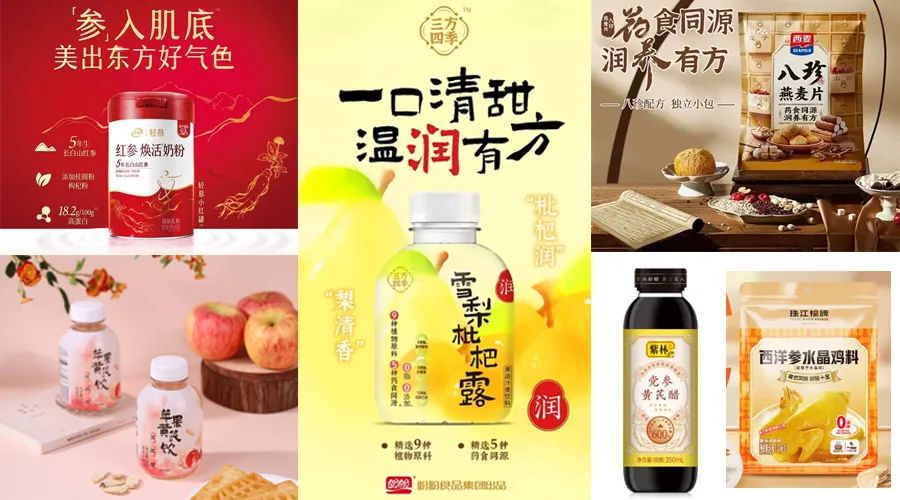
Group 1 - The food industry is experiencing a significant shift towards health and transparency, with health becoming a core aspect of product innovation and "food as medicine" gaining traction as a consumer necessity [1][4][31] - The market for "food as medicine" has surpassed 370 billion yuan, with over 2,900 registered companies in this sector, indicating a growing trend in health-focused consumption [4][5][6] - The "superfood" market is projected to grow from 16.3 billion USD in 2025 to 32.8 billion USD by 2030, driven by increasing consumer demand for health benefits and nutritional density [9][10] Group 2 - The "Weight Management Year" initiative aims to address the rising obesity rates in China, with over 50% of adults and nearly 20% of children classified as overweight or obese [15][16] - The health management market in China reached 1.81 trillion yuan in 2023, with the weight management market expected to reach 326 billion yuan by 2025, highlighting a robust growth trajectory [15][16] - The demand for weight management products is diversifying, with a focus on functional foods that cater to various health needs, including appetite suppression and metabolism enhancement [17][18] Group 3 - New food safety standards have been introduced to address consumer concerns about "zero additives" and food labeling, emphasizing the need for transparency and quality in food products [20][21] - The rise of "clean label" certifications reflects consumer preferences for products with fewer artificial ingredients, with 85% of consumers considering ingredient lists when purchasing [28][29] - Brands are increasingly seeking authoritative certifications to enhance their market position, but the credibility of these certifications can vary significantly [29][30]