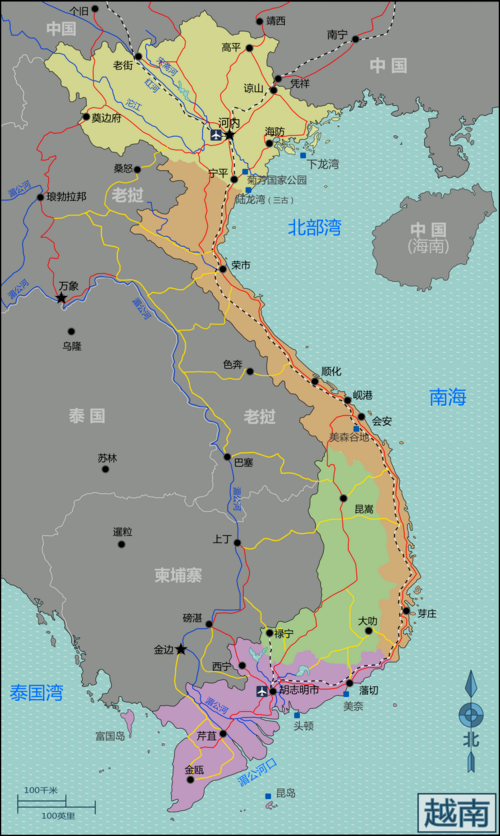
越南南北高铁

Search documents
签约八天就撤资?越南670亿高铁彻底停摆,首富范日旺一天亏20亿
Sou Hu Cai Jing· 2026-01-11 23:46
Core Viewpoint - The Vietnam North-South High-Speed Rail project has faced significant setbacks, leading to the withdrawal of investment by a major company, which has raised concerns about the project's viability and the overall investment environment in Vietnam [1][3][10] Group 1: Project Overview - The high-speed rail project is planned to span over 1,500 kilometers from Hanoi to Ho Chi Minh City, with a design speed of 350 km/h and a total estimated investment of $67 billion [3][5] - The projected annual revenue from the project is only $5.6 billion, with operational costs estimated at $4.2 billion, leaving little room for profit after accounting for maintenance and interest expenses [3][5] Group 2: Company Actions and Decisions - The company, led by Vietnam's richest man, initially signed an agreement with Siemens to test a shorter segment of the rail but later retracted its investment registration, citing a need to focus on other projects [1][3] - The decision to withdraw resulted in a significant drop in the company's stock price, leading to a loss of $2 billion in market value in just one day [3][5] Group 3: Financing Challenges - The main issue hindering the project was the inability to reach an agreement on financing, with the company seeking a 35-year interest-free loan while being required to cover 20% of the funding [5][9] - Previous attempts to secure funding from Japan and other countries failed due to high costs and stringent conditions [5][9] Group 4: Future Implications - The withdrawal of the company has raised concerns about Vietnam's investment climate, as the country relies on outdated infrastructure for transportation, which hampers economic integration [10] - The focus may shift towards more pragmatic projects, such as upgrading existing railways, rather than pursuing ambitious but unrealistic high-speed rail plans [10]

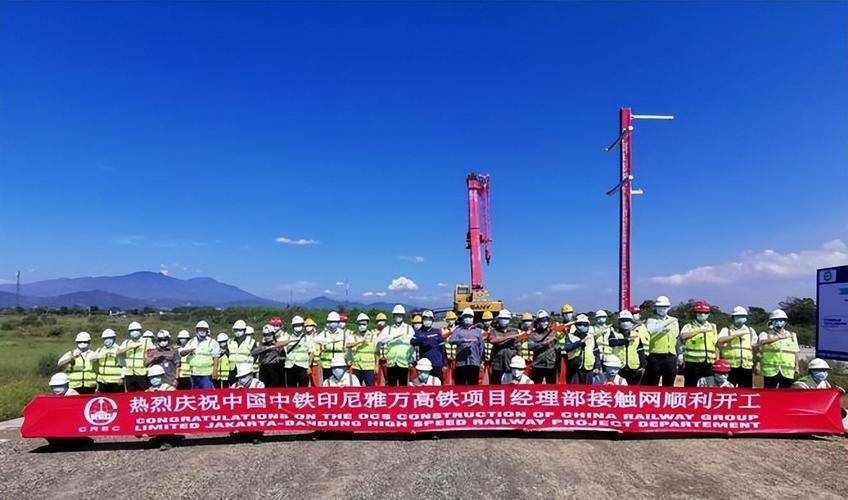
越南没料到,南北高铁还没开工,首富突然撤资,美国也卷铺盖走人
Sou Hu Cai Jing· 2026-01-01 00:26
Core Insights - Vingroup, Vietnam's largest private enterprise, unexpectedly withdrew its bid for the $67 billion North-South high-speed rail project, leading to a significant drop in its stock value and a loss of nearly $2 billion in founder Pham Nhat Vuong's personal wealth [1][4] - The withdrawal follows the confirmation that the American M&G Investment Alliance, which had previously pledged to invest $100 billion, has also disappeared from the bidding process [1] Project Overview - The North-South high-speed rail is planned to connect Hanoi and Ho Chi Minh City, covering approximately 1,540 kilometers and is considered a "national backbone project" [3] - Supporters cite an average daily air passenger flow of about 13,000 on the Hanoi-Ho Chi Minh route, comparable to China's Beijing-Shanghai line, suggesting sufficient demand for high-speed rail [3] Financial Viability - Internal calculations by VinSpeed indicate that the project would generate an average annual revenue of $5.6 billion over 30 years, but would incur operational costs of $4.2 billion annually, excluding interest, depreciation, and unexpected expansion costs [4] - The project's financial structure is heavily reliant on government support, with Vingroup proposing that only 20% of the funding come from private sources, while 80% would be covered by a 35-year interest-free government loan [6] Economic Context - The total investment of 490 billion RMB (approximately $67 billion) is more than double that of the Beijing-Shanghai high-speed rail, yet the cost structure is fundamentally imbalanced [6] - Vietnam's GDP for 2024 is projected at $476 billion, with total fiscal revenue of $77.5 billion, making the high-speed rail investment equivalent to 90% of the country's fiscal revenue [6] Strategic Implications - The primary issue with the North-South high-speed rail project is not merely a corporate decision but a fundamental misjudgment of its nature as a public infrastructure project that requires substantial fiscal backing and a robust industrial system [8] - For the project to move forward realistically, it must be fully government-led and recognized as a long-term public utility rather than relying on private investment to cover structural losses [8]
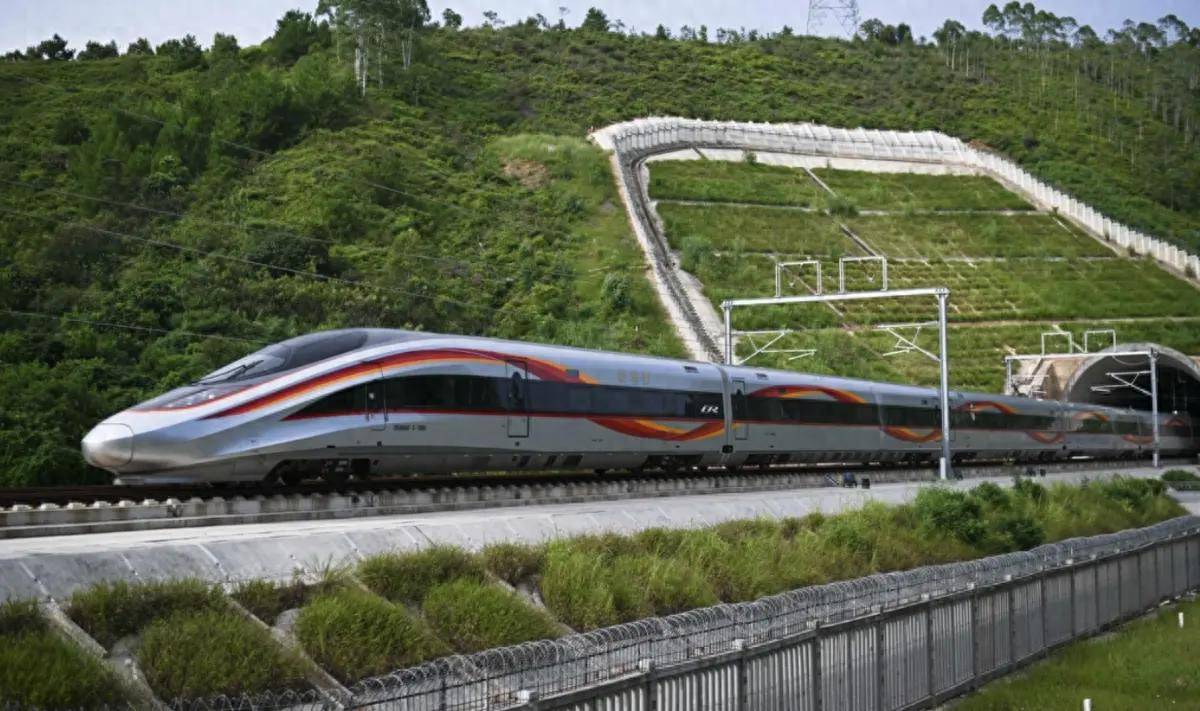
南北高铁8天梦碎,越南首富紧急撤回投资,这个天坑谁接谁破产
Sou Hu Cai Jing· 2025-12-28 03:19
Core Insights - The recent withdrawal of Vingroup from the Vietnam North-South High-Speed Rail project has raised significant concerns about the project's future viability and has introduced a high level of uncertainty in the region's infrastructure development [1][5][6] Project Background - The Vietnam North-South High-Speed Rail project was proposed in 2005 with the aim of enhancing regional economic activity and promoting coordinated development between the north and south of Vietnam [1][3] - Initial collaboration attempts with Japan failed due to high budget estimates and disagreements over technology transfer [1][3] Recent Developments - After multiple failed negotiations, a new plan was introduced in 2021, led by Vingroup and Long Hai Group, with hopes of leveraging German Siemens' technology to overcome previous challenges [3][5] - Vingroup's recent decision to withdraw investment, just eight days after signing a strategic cooperation agreement with Siemens, has dashed hopes for the project's realization [1][5] Market Dynamics - The challenges facing the high-speed rail project are not merely financial or technical but stem from a fundamental misalignment with market logic and economic realities [3][5] - The competitive landscape of Vietnam's aviation sector, dominated by low-cost carriers, presents a significant disadvantage for high-speed rail, which has high operational costs and ticket prices [3][5] Financial Considerations - The total investment required for the North-South High-Speed Rail project is estimated at $67 billion, which is nearly 90% of Vietnam's projected fiscal revenue for 2025, posing a substantial financial burden on the economy [5][6] - Vingroup's decision to withdraw is seen as a pragmatic response to the project's inherent risks, rather than a reflection of financial distress [5][6] Future Outlook - With Vingroup's exit, the North-South High-Speed Rail project is likely to face further delays, and its future remains uncertain [6][7] - Experts emphasize the importance of aligning infrastructure projects with market demand and caution against pursuing ambitious projects without a clear understanding of economic viability [6][7]
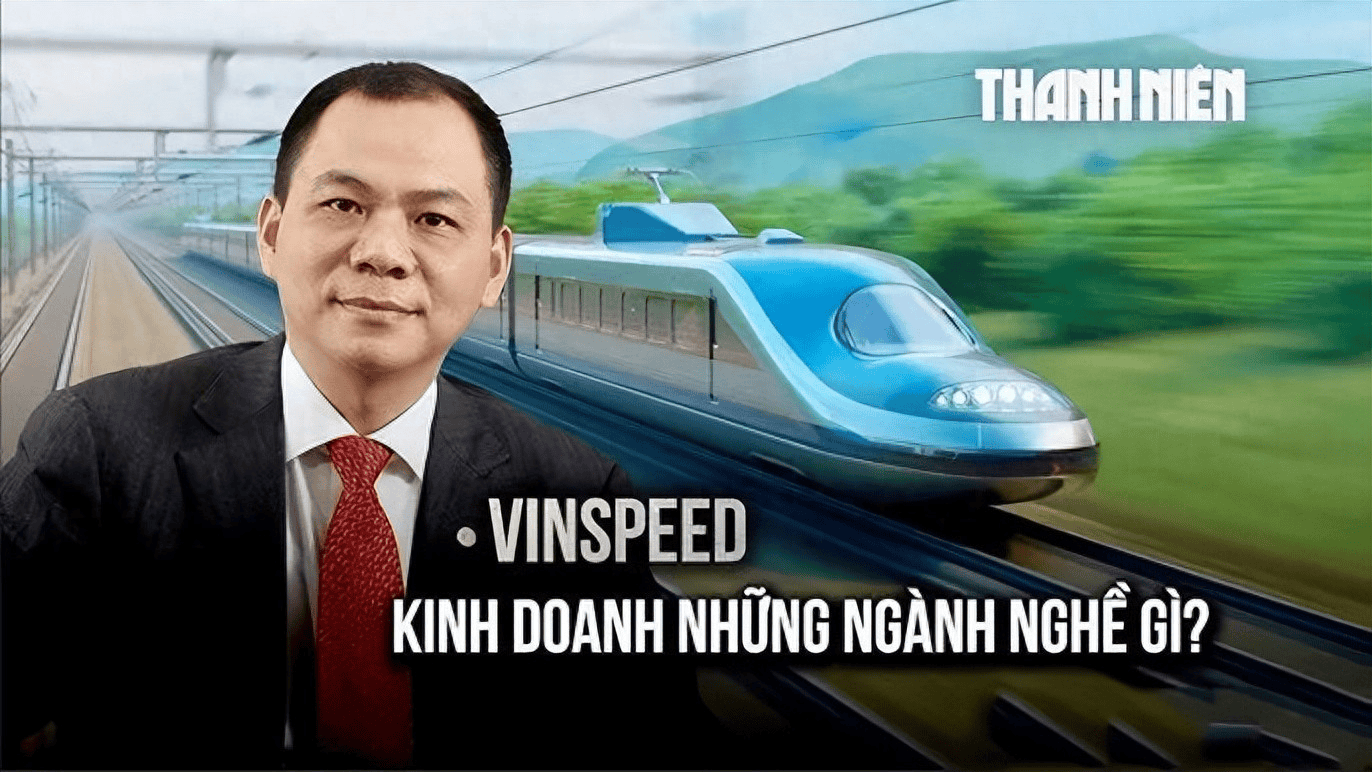
越南真的需要高铁吗?
Hu Xiu· 2025-08-26 02:32
Core Viewpoint - The Vietnamese government prioritizes the construction of the North-South high-speed railway project, which has faced increasing skepticism regarding its feasibility and funding since its approval in November 2022 [1][2]. Funding Issues - The North-South high-speed railway project is estimated to cost over $60 billion, excluding potential cost overruns, raising questions about funding sources [5]. - The Vietnamese government plans to involve private entities like Long Hai Group for partial funding, while also seeking domestic and international financing with government guarantees [5][6]. Technical Challenges - Vietnam lacks the technical expertise in high-speed rail, making it difficult to find partners for technology transfer and raising concerns about local companies' ability to absorb and utilize new technologies [8]. Operational Costs - There are concerns about whether the railway will generate sufficient passenger traffic to cover operational costs and repay loans, potentially leading to financial losses [10]. Alternative Proposals - A proposed alternative includes developing urban rail and highway networks in the Red River Delta and Mekong Delta, upgrading existing rail lines without pursuing high-speed standards, and enhancing airport and port infrastructure for better connectivity [12]. Geographical Considerations - Vietnam's unique geography, with densely populated areas at both ends of the country, presents challenges for the high-speed rail project, as it primarily connects only Hanoi and Ho Chi Minh City [13][20]. Comparison with China - Unlike China's extensive rail network connecting multiple major cities, Vietnam's high-speed railway would mainly serve two large cities and one medium-sized city, limiting its potential passenger base [18][20]. Freight Transportation Advantages - Vietnam's geographical advantages favor a freight transport model based on "sea transport + short-distance rail/road," which may be more cost-effective than constructing a new railway [21]. Current Railway Limitations - The existing North-South railway is outdated, with long travel times, and even upgrading it to electrified standards would require significant investment [25][26]. Air Travel Saturation - The Hanoi-Ho Chi Minh City air route is highly saturated, with over 10.9 million tickets sold in 2023, making it one of the busiest domestic routes globally [28][30]. Risks of Air Travel Dependency - The reliance on air travel poses risks due to weather, fuel price fluctuations, and geopolitical tensions, which can disrupt the transportation system [34][35][36]. Strategic Importance of High-Speed Rail - The North-South high-speed railway is viewed as a critical infrastructure project that would enhance national integration and reduce dependency on Western aviation supply chains [42][45][47].