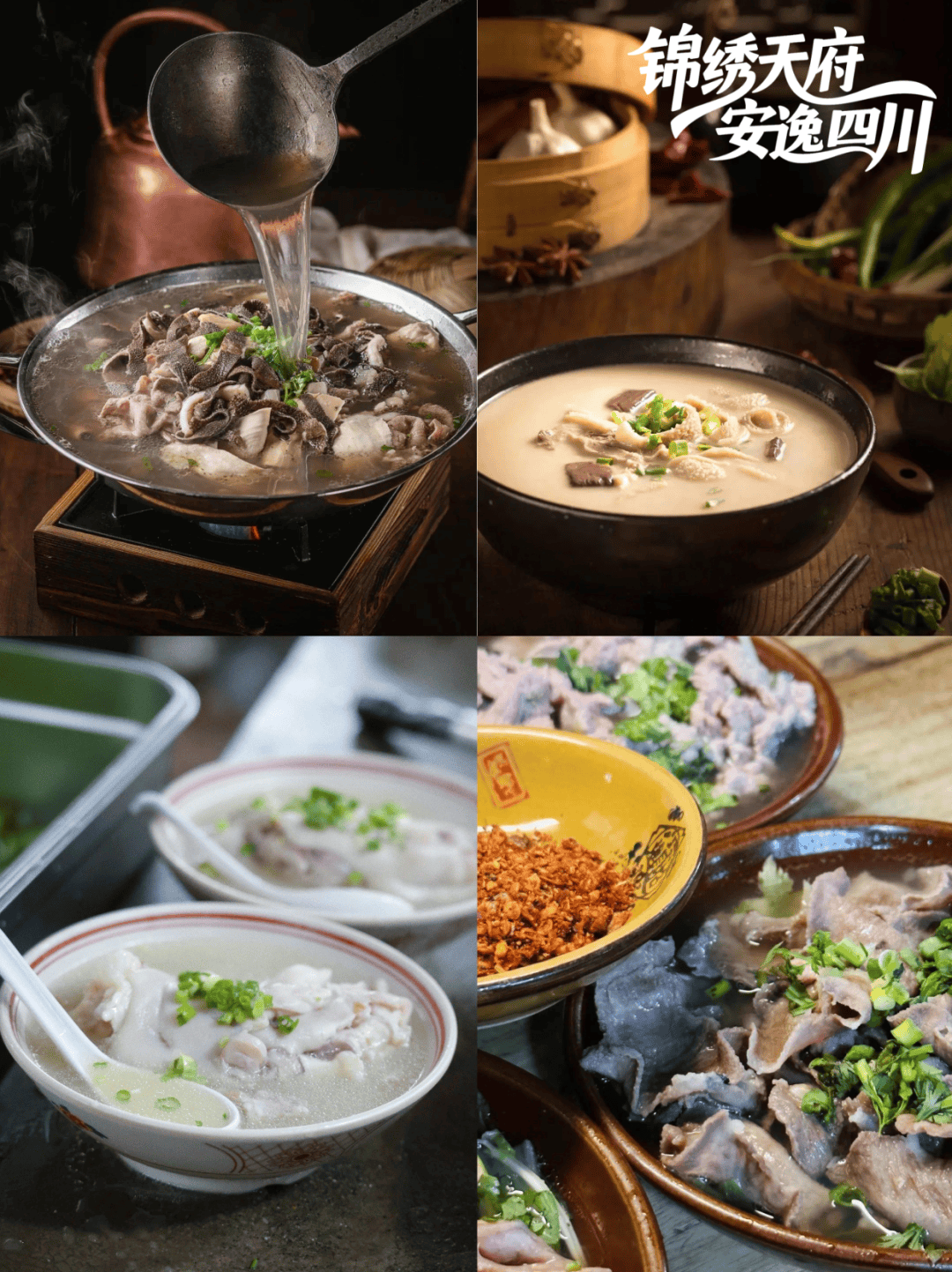
蹄花汤

Search documents
新意,带来生意
Ren Min Ri Bao· 2025-10-22 07:06
Core Insights - The restaurant industry is facing challenges with a slight increase in national dining revenue of 0.9% year-on-year in June, while revenue from key dining establishments decreased by 0.4% [5]. - From January to September, total dining revenue reached 40,989 billion, marking a growth of 3.3% [5]. - The recent National Day and Mid-Autumn Festival holidays saw record sales in many regions, with a 2.7% year-on-year increase in sales for key retail and dining enterprises [5]. Industry Challenges - Many restaurant operators express difficulties in the current market, with some describing the situation as "ice and fire" [5]. - High-end dining is experiencing a significant decline in business, with a 40% drop in business banquet orders since May and a more than 20% decrease in beverage revenue [10]. - Increased labor costs are also a concern, with monthly employee costs rising by nearly 2,000 yuan per person [12]. Innovative Strategies - Restaurants are adopting innovative consumption scenarios, such as live sports events and interactive dining experiences, to attract customers [6][8]. - The "Suhou Super League" events in Nanjing have led to increased foot traffic and sales for local restaurants, with promotional activities enhancing customer engagement [6][7]. - Digital marketing strategies, including short video platforms, are becoming essential for driving customer traffic and enhancing brand visibility [9][17]. Market Trends - The industry is witnessing a shift towards "small store + high turnover + digital operation" as a viable path for recovery and growth [15]. - Fast food and snack segments are showing resilience, indicating that high-value, standardized products are more appealing to consumers [14]. - The implementation of food safety regulations is becoming increasingly important, with a focus on transparency and consumer trust [16][17]. Conclusion - The restaurant industry is navigating a complex landscape of challenges and opportunities, with a need for innovation and adaptation to changing consumer preferences and market conditions [10][15].


新视窗·培育服务消费新增长点|新意,带来生意——餐饮业在创新中突围
Ren Min Ri Bao· 2025-10-22 06:00
Core Insights - The restaurant industry is facing significant challenges, with a slight year-on-year revenue growth of 0.9% in June and a 3.3% increase from January to September, amounting to 40,989 billion yuan [1] - The recent National Day and Mid-Autumn Festival holidays saw record sales in many regions, with a 2.7% year-on-year increase in sales for key retail and catering enterprises [1] Group 1: Current Industry Challenges - Many restaurant operators express difficulties, with some reporting a 40% decrease in business banquet orders since May and a 20% drop in beverage revenue [7] - High-end dining is experiencing a shift in profit structure, moving from a focus on private dining rooms to more efficient operations due to reduced demand for business meals [7] - Increased labor costs are a significant pressure point, with monthly employee costs rising by nearly 2,000 yuan per worker, prompting adjustments in staffing strategies [9] Group 2: Innovative Strategies and Opportunities - Restaurants are adopting innovative consumption scenarios, such as live sports events and interactive dining experiences, to attract customers [3][4] - The "Sichuan Feast" restaurant in Chengdu has successfully transformed its business model by integrating cultural performances into dining, resulting in a doubling of revenue [5] - Digital marketing strategies, including short video platforms, are becoming essential for driving foot traffic and enhancing brand visibility, with one hotpot chain achieving over 10 million yuan in potential sales through a two-day live stream [6] Group 3: Consumer Trends and Safety - There is a growing consumer demand for transparency in food safety, leading to initiatives like "sunshine operations" where kitchens are made visible to customers [12][14] - The restaurant industry is encouraged to focus on food safety as a key to development, with regulatory bodies emphasizing the importance of adhering to safety standards [13][14] - Fast food and snack segments are showing resilience, indicating that high-value, standardized products are more likely to attract repeat customers [11]
新意 带来生意
Ren Min Ri Bao· 2025-10-22 01:29
Core Insights - The restaurant industry is facing challenges and opportunities, with a slight year-on-year revenue growth of 0.9% in June and a 3.3% increase from January to September, totaling 40,989 billion yuan [4][10] - The recent National Day and Mid-Autumn Festival holidays saw record sales in many regions, with a 2.7% year-on-year increase in sales for key retail and catering enterprises [4] Group 1: Current Industry Landscape - The restaurant industry is described as experiencing both "ice and fire," indicating a mix of difficulties and successes [4] - Many restaurant operators express concerns about the industry's challenges, including reduced consumer spending and increased competition [4][10] - The shift in consumer behavior has led to a decline in high-end dining, with a 40% drop in business banquet orders since May [10] Group 2: Innovation in Consumer Experience - Innovative consumption scenarios, such as live sports events and interactive dining experiences, are enhancing product offerings and service experiences [5][6] - Restaurants are adopting new marketing strategies, including themed events and promotional activities, to attract customers [5][6] - The integration of cultural elements into dining experiences, such as performances and themed menus, is helping restaurants regain customer interest [8][9] Group 3: Operational Challenges - Rising labor costs are impacting restaurant profitability, with an average increase of nearly 2,000 yuan per employee per month [11] - The implementation of stricter labor regulations is expected to increase operational costs for restaurants, although it may lead to improved employee retention in the long run [11][12] - The competitive landscape is intensifying due to aggressive pricing strategies among food delivery platforms, which may undermine long-term profitability [13] Group 4: Safety and Compliance - Food safety remains a critical concern, with increased scrutiny on hygiene standards following reports of unsatisfactory conditions in some chains [14][15] - Regulatory bodies are emphasizing the importance of food safety compliance, urging restaurants to take responsibility for maintaining high standards [14][15] Group 5: Future Growth Strategies - The industry is encouraged to explore new growth avenues through digital transformation, focusing on high turnover and digital operations [14][16] - Engaging with customers through social media and live streaming is becoming a vital strategy for attracting and retaining clientele [16] - The trend towards transparency in kitchen operations is gaining traction, as consumers seek assurance regarding food safety and cleanliness [14][15]

新意,带来生意——餐饮业在创新中突围
Xin Hua Wang· 2025-10-22 00:39
Core Insights - The restaurant industry is facing significant challenges, with a slight year-on-year revenue growth of 0.9% in June and a 3.3% increase from January to September, amounting to 40,989 billion yuan [1] - The recent National Day and Mid-Autumn Festival holidays saw record sales for many restaurants, with a 2.7% year-on-year increase in sales for key retail and catering enterprises [1] Group 1: Consumption Trends - Innovative consumption scenarios such as live sports events and interactive experiences are enhancing product offerings and service experiences in the restaurant sector [2] - Restaurants are adopting promotional strategies, like fan packages and themed events, to attract customers during major sports events [2][3] - The integration of cultural elements into dining experiences, such as performances and themed dining, is helping restaurants regain customer interest and boost sales [4] Group 2: Operational Challenges - Many restaurants are reducing private dining spaces due to a significant drop in business banquet orders, with a reported 40% decrease since May [6] - Rising labor costs are pressuring restaurant owners to adjust their staffing strategies, with an average increase of nearly 2,000 yuan per employee per month [7] - The competitive landscape is intensifying, particularly with the rise of online food delivery services, which is impacting in-store dining [8] Group 3: Opportunities for Growth - The restaurant industry is exploring new growth avenues through digital marketing and social media engagement, with platforms like short video apps becoming crucial for customer interaction [5][11] - The trend towards transparency in food safety, such as open kitchens, is becoming a key factor in attracting customers [10][11] - The industry is encouraged to innovate by developing new dining experiences and extending operating hours to meet changing consumer demands [9][10]
新意,带来生意(新视窗·培育服务消费新增长点)
Ren Min Ri Bao· 2025-10-21 22:20
Core Insights - The restaurant industry is facing a mixed situation, with some areas experiencing growth while others struggle due to various challenges [3][9][12] - Consumer behavior is shifting towards more interactive and innovative dining experiences, driven by events and digital engagement [4][5][8][15] - Rising operational costs and increased competition are compressing profit margins for many restaurants [9][10][12] Industry Performance - National restaurant revenue increased by 3.3% year-on-year from January to September, totaling 40,989 billion [3] - During the recent holidays, key retail and restaurant enterprises saw a 2.7% increase in sales compared to the previous year [3] - The restaurant sector is described as experiencing "ice and fire," indicating a stark contrast in performance across different segments [3] Consumer Trends - Innovative consumption scenarios, such as live sports events and themed promotions, are attracting customers and enhancing dining experiences [4][5] - Restaurants are increasingly utilizing digital platforms for marketing and customer engagement, with short video content becoming a significant tool for driving traffic [8][15] - There is a growing emphasis on food safety and transparency, with many establishments adopting open kitchen concepts to build consumer trust [13][14] Challenges Faced - Many restaurants are reducing the number of private dining rooms due to a significant drop in business dining orders, which have decreased by approximately 40% since May [9] - Rising labor costs are a major concern, with an increase of nearly 2,000 yuan per employee per month impacting operational strategies [10] - The competitive landscape is intensifying, particularly with the rise of online food delivery services, leading to price wars that may harm long-term profitability [12] Strategic Responses - Restaurants are adapting by creating new menu items and promotional packages to attract customers, such as seasonal dishes and combo offers [12] - The industry is encouraged to focus on digital transformation, emphasizing high turnover and efficient operations to remain competitive [15] - Regulatory changes regarding labor costs and food safety are prompting restaurants to reassess their operational models and compliance strategies [10][13]
【美丽四川】一碗接一碗,我说这是四川省省汤,没人反驳吧!
Sou Hu Cai Jing· 2025-07-15 12:51
Core Points - The article discusses the various types of soups that are considered representative of Sichuan cuisine, with a focus on the popularity and unique characteristics of these soups [1][3][4]. Group 1: Popular Soups - Yangrou Tang (Lamb Soup) is highlighted as a top choice among Sichuan locals, particularly the Jianyang Lamb Soup, known for its creamy texture and tender meat [7][9][11]. - The preparation of Jianyang Lamb Soup involves boiling lamb and pig bones, resulting in a rich, milky broth with a hint of dairy flavor [11]. - Another popular soup is the Tihua Tang (Pork Trotter Soup), characterized by its soft and tender texture, often enjoyed with spicy oil for added flavor [18][19]. Group 2: Seasonal and Vegetable Soups - The article mentions the popularity of the Yaba Cai (a type of vegetable) soup during summer, which is made with various seasonal vegetables boiled in water, emphasizing the natural sweetness of the ingredients [25][27]. - The dish is simple yet refreshing, often served with a dipping sauce to enhance its flavor [27]. Group 3: Unique Ingredients and Preparation - The article notes the significance of using high-quality ingredients, such as the Jianzhou Big-Eared Sheep for lamb soup, which contributes to the dish's tenderness and flavor [9]. - The preparation of the soups often involves a variety of spices and herbs, particularly in the case of the Qiaojiao Beef, which is known for its low-fat, high-protein content and aromatic broth [31][33]. Group 4: Cultural Significance - The love for bamboo shoots and their various types is emphasized, showcasing their importance in Sichuan cuisine, particularly in dishes like the sour bamboo shoot and meat soup [37][40]. - The article concludes by inviting readers to share their favorite soup, highlighting the cultural connection and personal preferences associated with these traditional dishes [51].