追觅爬楼扫地机

Search documents
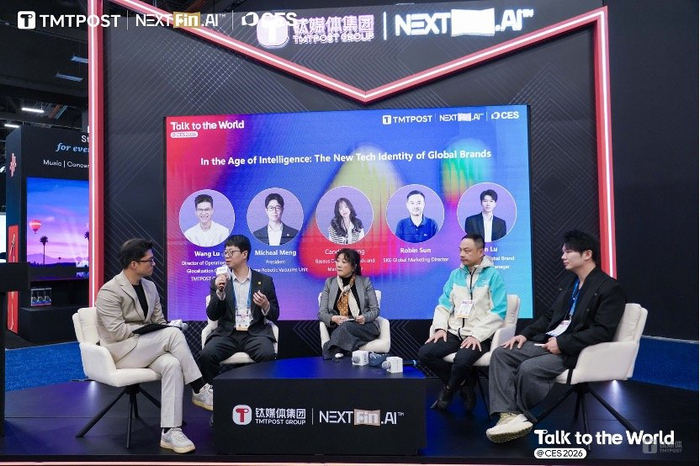
智能时代,新兴科技品牌落地海外有哪些颠覆性变化?| CES 2026
Tai Mei Ti A P P· 2026-01-22 10:21
Core Insights - Chinese emerging technology brands are transitioning from low-end price competition to high-end smart and scenario-based branding in North America [1] - The CES event showcased the significant presence of Chinese brands, particularly DREAME, which emphasizes a shift in global brand image through comprehensive marketing strategies [1] Brand Strategy - DREAME's president highlighted three key strategies for building brand awareness: leveraging global exhibitions like CES, enhancing online and offline marketing, and engaging with influencers and sports stars [2] - The importance of balancing global brand consistency with local expression was emphasized, as different markets require tailored approaches while maintaining core brand values [2][3] - SKG's marketing director noted the need for unified brand tone across all channels and adapting marketing strategies to local cultural events and consumer behavior [3] Product Innovation - DREAME introduced several innovative products at CES, including a smart home robot capable of various household tasks and a stair-climbing vacuum cleaner [6] - Baseus showcased advanced mobile digital products with features like fast charging and smart temperature control, as well as innovative security cameras with AI capabilities [7] - SKG presented a range of massage devices utilizing advanced materials and technology for enhanced user experience [8] Market Insights - DREAME identified specific user needs in North America, such as the demand for stair-climbing vacuums due to the prevalence of multi-story homes [9] - Differences in user preferences between North America and Europe were noted, particularly regarding carpet cleaning needs and product functionality [10] Brand Positioning - The shift in perception of Chinese brands from cost-effective to high-end was discussed, with a focus on the importance of user insights and product innovation for long-term competitiveness [16] - Companies are investing significantly in R&D to maintain innovation, with DREAME allocating over 7% of its revenue to this area [16] Globalization Challenges - The complexities of global brand management were highlighted, emphasizing the need for localized strategies that respect regional differences while maintaining a unified brand message [24][25] - Companies face challenges in navigating compliance and market entry, with a focus on building trust and effective communication with local consumers [21][22] Marketing Strategies - Effective marketing in North America requires a blend of online and offline strategies, with a strong emphasis on community engagement and local partnerships [20][21] - The importance of adapting marketing messages to resonate with local cultural values and consumer expectations was underscored [23][25]


IFA2025情绪价值彻底爆了,中国品牌开卖 “生活方式”
Sou Hu Cai Jing· 2025-09-11 15:42
Core Insights - The core viewpoint of the articles is that emotional value is becoming a key competitive factor in the home appliance industry, shifting the focus from functional satisfaction to emotional resonance and cultural connection [2][30]. Group 1: Emotional Value in Home Appliances - The competition in the home appliance sector has evolved from a focus on technical specifications to emotional resonance, as consumers increasingly seek products that fulfill emotional needs rather than just functional requirements [2][12]. - The "2025 China Home Appliance Consumption Trend White Paper" indicates a rise in self-satisfying consumption, highlighting that emotional value is now a significant factor in consumer purchasing decisions [2][30]. - The concept of "emotional appliances" is emerging, with three main development paths identified: cultural resonance, scene companionship, and health care [6][10]. Group 2: Cultural Resonance and Market Strategies - Companies like Changhong are leveraging cultural symbols, such as the panda, to create emotional connections with consumers, thereby enhancing brand identity and meeting consumer identity expression needs [6][24]. - The sponsorship of global events, such as Hisense's support for the 2026 World Cup, aims to resonate emotionally with football fans worldwide [6][10]. - The emotional value approach is not limited to home appliances but is becoming a broader strategy for Chinese brands to penetrate international markets by transcending language and cultural barriers [24][25]. Group 3: Consumer Behavior and Market Dynamics - The shift towards emotional value is a response to the saturation of technical specifications in the home appliance market, where differentiation based on features has become increasingly difficult [13][17]. - Emotional value aligns with the fundamental principle that all consumer behavior ultimately seeks to achieve a positive emotional experience, such as safety, relaxation, or satisfaction [21][22]. - The success of products like the "Chasing" robotic vacuum cleaner demonstrates how understanding and addressing consumer emotional needs can lead to significant market impact [23][30]. Group 4: Globalization and Brand Identity - The narrative of Chinese home appliance brands has shifted from merely offering cost-effective products to selling experiences, values, and lifestyles, emphasizing emotional connections [24][30]. - Successful examples of Chinese brands, such as the game "Black Myth: Wukong," illustrate how cultural resonance can create a global appeal, enhancing the emotional connection with international consumers [29][30]. - The trend towards emotional value signifies a transformation in the home appliance industry, moving away from cold parameter competition to a focus on genuine consumer experiences and emotional fulfillment [30].