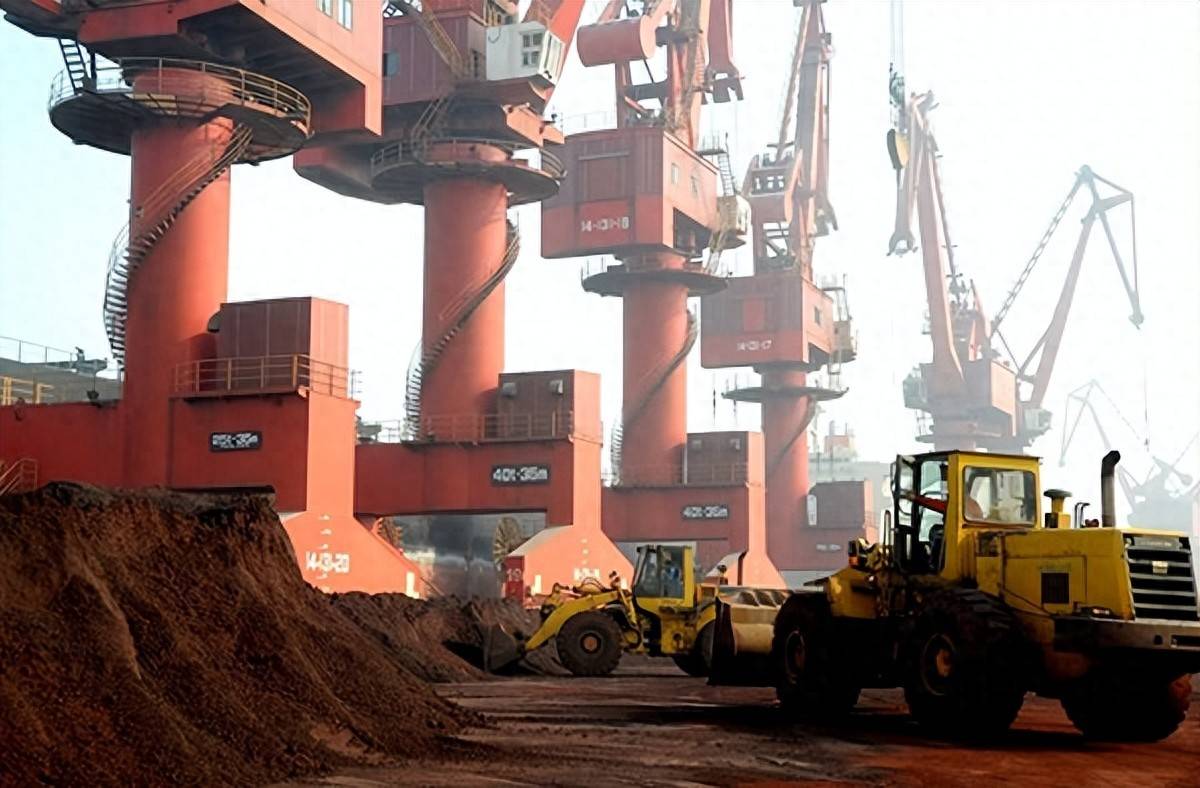
重稀土氧化镝

Search documents
稀土地位不保?澳大利亚攻克提炼技术,不再受制约了?
Sou Hu Cai Jing· 2025-11-22 06:57
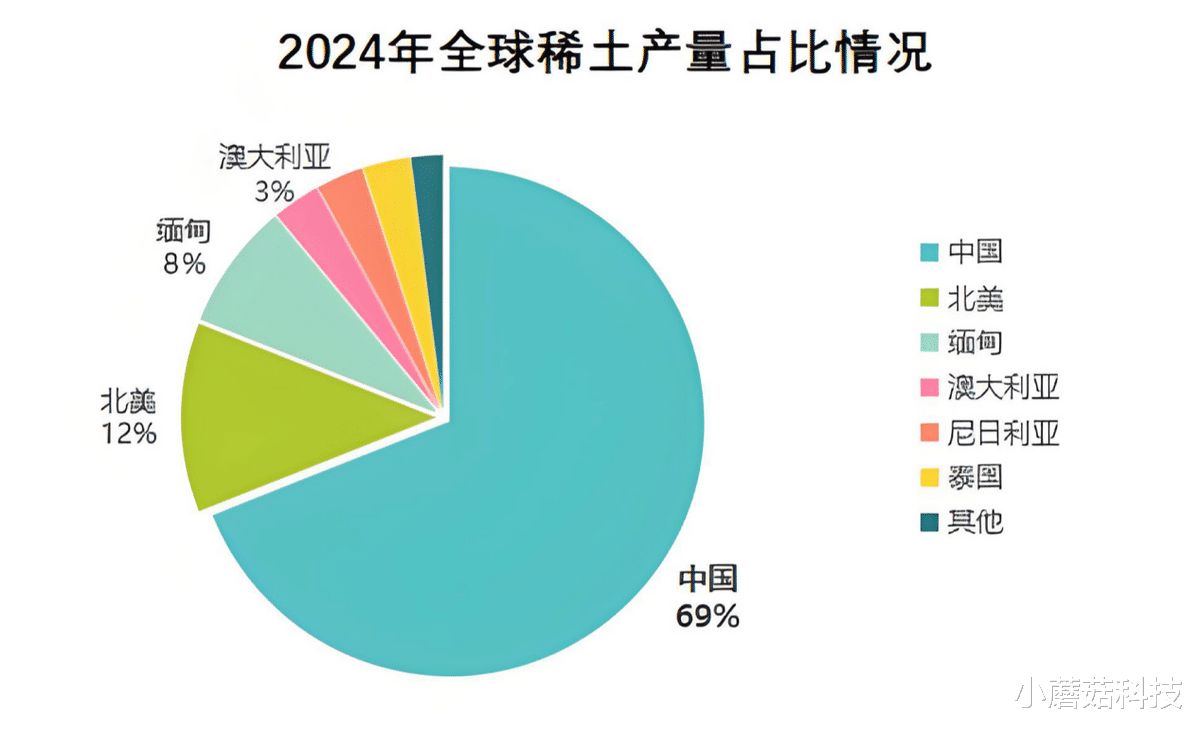
Core Insights - Lynas Corporation has successfully developed a rare earth extraction technology for heavy rare earth oxide dysprosium, becoming the first company to commercialize rare earth processing outside of China, which opens new supply channels for Western countries [1][3] - The company plans to achieve commercial production of another rare earth element, terbium, within six months and has received a $258 million order from the United States, leading to the establishment of a new production facility in Texas [1] Industry Analysis - The announcement has sparked significant reactions from Western media, celebrating it as a major breakthrough against China's dominance in the rare earth sector; however, experts express concerns about the actual impact of this development [3] - The transition from technological breakthrough to mature application requires time, as evidenced by the lengthy process for solid-state battery technology; Lynas's extraction process is still in its early stages, with a target production capacity of only 1,500 tons per year compared to China's 10,000 to 15,000 tons [5] - The global rare earth supply chain heavily relies on China, which accounts for 69.1% of global rare earth production and dominates refining capabilities, with 77% of refining capacity and 91% of refining activities concentrated in China [5] - Even with advancements in extraction technology, the lack of stable raw material supply remains a critical challenge for the industry, as Western countries still depend on China for many rare earth elements [5]

稀土真破局了?见过澳总理后,特朗普宣告全球,不会被中国卡脖子
Sou Hu Cai Jing· 2025-10-25 08:23
Core Viewpoint - Trump claims that the U.S. will have sufficient rare earth supply in the coming year, thanks to a new supply chain established with Australia, reducing reliance on China [1]. Group 1: U.S.-Australia Cooperation - On October 20, Trump signed a cooperation document with Australian Prime Minister Albanese, committing up to $8.5 billion for rare earth mining, processing, and refining [1]. - The U.S. aims to increase domestic and overseas rare earth investments to avoid dependence on China, a strategy that has been in pursuit since the Biden administration [1]. Group 2: Challenges in Rare Earth Supply - Previous considerations for sourcing rare earths from Ukraine, Pakistan, and Kazakhstan faced challenges such as difficult extraction, high costs, and geopolitical instability, particularly in Ukraine due to war [3]. - Australia’s Lynas Corporation achieved commercial extraction of heavy rare earths in June, presenting a potential partnership opportunity for the U.S. [5]. Group 3: Technical and Economic Hurdles - Despite initial technological advancements, Australia’s refining processes are not yet mature, with low purity and high costs compared to China's established technology, which exceeds 99.99% purity [5]. - The U.S. has historically relied on Chinese technology for rare earth extraction, indicating that significant investment, time, and technological development are required to catch up [5]. Group 4: Skepticism and Realism - Analysts express skepticism about Trump's assertion that the U.S. will have an abundant supply of rare earths within a year, citing that China took 66 years to become a global leader in rare earths [7]. - Australia remains dependent on China for processing, with approximately 90% of lithium ore still sent to China for refinement, complicating the U.S. strategy [7]. - The agreement between the U.S. and Australia is described as an "action plan" without binding targets, indicating a lack of commitment from Australia, which is cautious about jeopardizing its relationship with China [7][9]. Group 5: Strategic Recommendations - The complexities of technology and industry development suggest that rather than seeking alternative sources, the U.S. might benefit more from re-establishing direct trade relations with China for rare earth products [9]. - Given the current geopolitical climate and internal challenges, time is a critical factor for the U.S. to enhance its military and technological capabilities [9].

中国稀土出口遭遇阻力,澳大利亚莱纳斯公司高调出击,西方能自给自足吗?
Sou Hu Cai Jing· 2025-05-20 11:12
Core Viewpoint - The ongoing geopolitical and economic competition surrounding rare earth elements highlights the challenges faced by Western countries in reducing their dependence on China for these critical materials [1][3]. Group 1: Market Dynamics - Approximately 80% of the global supply of rare earth elements comes from China, creating anxiety among countries amid trade tensions [1]. - Lynas Corporation aims to challenge China's dominance in the rare earth sector, recently announcing successful production of heavy rare earth oxide dysprosium in Malaysia [3]. - Despite Lynas's technological advancements, its extraction costs and efficiency lag significantly behind China's, with dysprosium prices at $10 to $15 per kilogram for Lynas compared to $4 to $7 for China [3]. Group 2: Production Capacity - Lynas's future production target is only 1,500 tons, while China’s annual separation capacity for heavy rare earths is between 10,000 to 15,000 tons, raising doubts about Lynas's ability to meet Western demand [3][5]. - The global rare earth market is projected to reach $20 billion in 2022, with most supply chains still under China's control [5][6]. Group 3: Social and Environmental Challenges - Lynas faces strong local opposition in Malaysia due to environmental concerns and unmet commitments, which could hinder its operations [5]. - The increasing global awareness of environmental issues necessitates that companies address social responsibilities to avoid amplifying their developmental shortcomings [5]. Group 4: Long-term Outlook - The competition for rare earths reflects broader East-West geopolitical tensions, with historical evidence suggesting that no single country or company can fully dominate this market [5][6]. - Significant investment and coordinated efforts over a long period will be required for Western countries to establish an independent rare earth supply chain [6].