金陵大肉包

Search documents
秦淮灯彩闪耀法兰西:非遗出海,点亮中法文化年
Xin Lang Cai Jing· 2026-02-08 11:21
Core Insights - The second China-France Balcarres-Qinhuai Lantern Festival commenced in Perpignan, France, as part of the "Encounter and Appreciation" Chinese New Year theme activities, running until February 28, 2026, covering Christmas, New Year, and the Chinese Lunar New Year [1][2] Group 1: Event Overview - The lantern festival features seven thematic areas, 29 large lantern groups, and thousands of colorful lights, creating a dreamlike visual experience [1] - The main lantern group, themed around the "Twelve Zodiac Competition," stands at 13 meters tall, showcasing traditional Chinese aesthetics [1] - The event has attracted nearly 190,000 visitors from France and neighboring Spain since its opening [1] Group 2: Cultural Significance - The festival represents a significant chapter in the global outreach of the Qinhuai Lantern, a national intangible cultural heritage with over 1,700 years of history [2] - The Qinhuai Lantern Festival has expanded to over 50 countries and regions, evolving from a local celebration to a global cultural IP [2] - The first "Brilliant China (Serre-Nanjing) Qinhuai Lantern Festival" in 2024 is expected to attract around 200,000 visitors and generate approximately 3 million euros in revenue, highlighting deepening cultural exchanges between China and France [2]
五星酒店摆摊自救,一天能卖6万元
21世纪经济报道· 2025-08-08 05:01
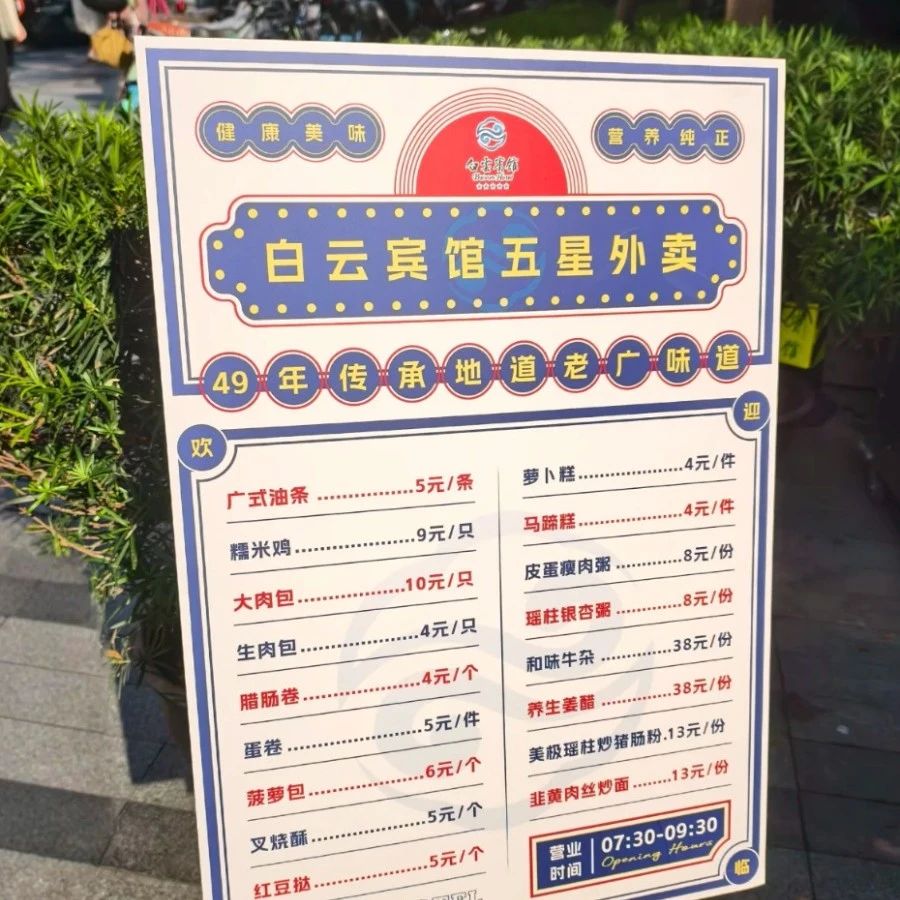
Core Viewpoint - The hotel industry is facing intense competition and is at a critical juncture where transformation is necessary for survival, leading to the emergence of street food stalls by luxury hotels as a new revenue stream [4][5][8]. Group 1: Industry Challenges - The hotel industry is experiencing oversupply, with major hotel groups rapidly expanding their presence, leading to a situation where more hotels are competing for fewer customers [5][8]. - Key performance indicators for major hotel chains have declined, with Jinjiang Hotels reporting a 5.78% drop in RevPAR and a 11.19 yuan decrease in ADR [5][7]. - The high-end hotel sector has seen a significant reduction in revenue from dining services, which were previously a major income source, as traditional banquet bookings have decreased [6][8]. Group 2: Transformation Strategies - Hotels are increasingly adopting street food stalls as a strategy to diversify income and attract customers, leveraging their brand reputation and supply chain advantages [9][12]. - The average daily revenue from these street food operations ranges from 10,000 to 60,000 yuan, indicating a potential but limited revenue source compared to traditional banquet services [11]. - The shift towards street food is seen as a temporary measure to generate additional revenue while hotels continue to focus on their core business of meetings and banquets [12][13]. Group 3: Consumer Perception and Market Response - Consumers appreciate the hygiene and quality associated with food from luxury hotels, which is a significant advantage over traditional street vendors [9][11]. - There are concerns regarding food safety and the sustainability of outdoor food stalls, prompting hotels to consider indoor setups and delivery options to enhance customer experience [11][12]. - Regulatory support is emerging to facilitate outdoor operations, indicating a potential for the "outdoor economy" to become a more structured part of the hotel industry [12][13].


放下身段摆摊自救,五星酒店们的必由之路?
2 1 Shi Ji Jing Ji Bao Dao· 2025-08-08 03:53
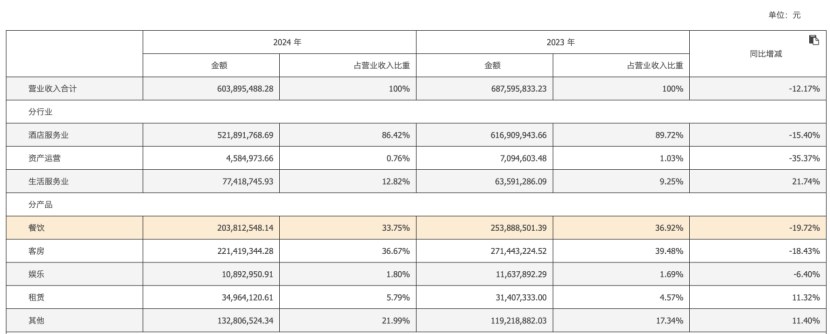
Core Insights - The hotel industry is facing intense competition and many traditional five-star hotels are at a critical juncture where transformation is necessary to avoid closure [1][6] - The rapid expansion of large hotel groups has led to an oversupply in the market, particularly in first and second-tier cities, resulting in declining key performance indicators for established hotels [2][6] - High-end hotels have seen a significant reduction in revenue from dining services, which were previously a major income source, further exacerbating financial challenges [3][4] Industry Trends - The number of five-star hotels in China has decreased from 850 in 2020 to 736 by the third quarter of 2024, indicating a contraction in the market [6] - Average room prices for five-star hotels have dropped to 599.72 yuan, a year-on-year decrease of 4.78%, with an average occupancy rate of only 60.73% [6] - Hotels are increasingly diversifying their services, with a focus on life services such as laundry and catering, as part of their transformation strategy [6] Revenue Insights - For Huatian Hotel, dining revenue fell by 19.72%, which was a larger decline than the 18.43% drop in room revenue, highlighting the struggles in both segments [4] - Daily revenue from hotel street stalls ranges from 10,000 to 60,000 yuan, but this is seen as insufficient compared to lost business from traditional banquet services [8] - The overall revenue for Huatian Hotel in 2024 was 603.90 million yuan, a decrease of 12.17% from 2023 [5] Consumer Perception - Consumers appreciate the hygiene and quality of food offered by five-star hotels compared to street vendors, which has contributed to the popularity of hotel street stalls [7] - However, concerns about food safety due to outdoor conditions have been raised, indicating a need for hotels to address these issues [8] Future Outlook - Hotels are exploring ways to sustain their street stall operations, including potential indoor setups and delivery services, while recognizing that these initiatives are supplementary to their core business [9] - The concept of "street economy" is expected to become more prevalent in the hotel industry, with regulatory support from local governments to facilitate this trend [9][10]