
铅笔

Search documents
兰州市红古区市场监管局开展开学季校园周边学生用品专项检查
Xin Lang Cai Jing· 2026-02-28 02:43
Group 1 - The core viewpoint of the article emphasizes the importance of maintaining a safe and orderly market environment around schools to promote the healthy growth of minors [1] Group 2 - The Lanzhou Honggu District Market Supervision Administration conducted a special inspection of student supplies around primary and secondary schools, focusing on convenience stores, bookstores, stationery stores, and printing shops [1] - The inspection targeted common student supplies for those under 14 years old, including items like erasers, ballpoint pens, pencils, and exercise books, among others [1] - Key areas of focus included the qualifications of operators, sourcing channels, product quality certificates, labeling, warning signs, and 3C certification, with strict checks for "three no" products [1] Group 3 - Most operators were found to be compliant, and the overall market order for student supplies was deemed to be regulated [1] - Issues identified during the inspection included non-compliant labels and incomplete purchase records, leading to immediate orders for operators to stop sales and remove problematic products [1] Group 4 - Future plans include strengthening supervision of student supplies around campuses, establishing a regular inspection mechanism, and conducting periodic follow-up actions to prevent issues from recurring [1] - Parents and students are encouraged to play an active role in supervision, with a hotline (12315) available for reporting violations [1]
老凤祥:公司下属中国第一铅笔有限公司向欧洲出口的铅笔业务主要在法国、德国、荷兰
Zheng Quan Ri Bao Wang· 2026-02-24 12:41
Group 1 - The core viewpoint of the article is that the company, Lao Feng Xiang, has a small proportion of its overall revenue coming from its pencil export business to Europe, specifically in France, Germany, and the Netherlands [1] Group 2 - The company’s subsidiary, China First Pencil Co., Ltd., is responsible for the pencil export business [1] - The interaction with investors indicates transparency in the company's operations and its willingness to address investor inquiries [1]

当代书法四论
Xin Lang Cai Jing· 2026-02-15 01:08
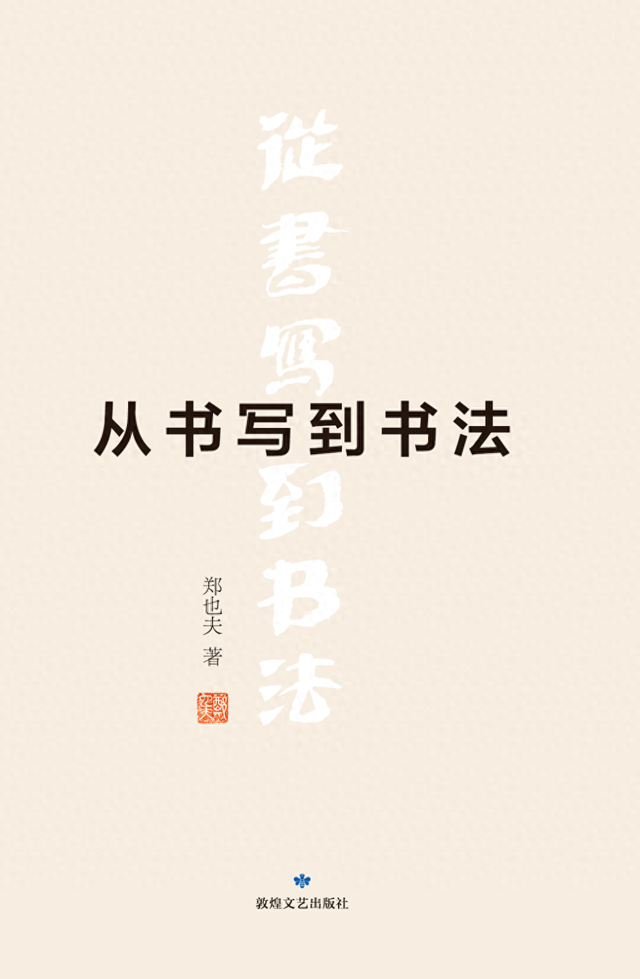
Core Viewpoint - The book "From Writing to Calligraphy" by Zheng Yefu discusses the distinction between writing and calligraphy, emphasizing that the former is practical while the latter is aesthetic and artistic [3]. Group 1: Evolution of Writing Tools - The transition from traditional brush writing to hard pens began around 1915, with hard pens becoming dominant in educational settings by the mid-20th century [4]. - The introduction of hard pens was seen as a significant improvement in writing efficiency, leading to the gradual phasing out of brush writing in schools [4][5]. - By 1955, most students were using hard pens, with brush writing becoming increasingly rare in educational contexts [4]. Group 2: Impact on Calligraphy - The decline of brush writing has led to a transformation in the calligraphy landscape, where professional calligraphers have become a rare breed, and the art form is now largely pursued for aesthetic purposes rather than practical ones [6][9]. - The number of calligraphers in China is estimated to be around 70,000, with a significant portion being hobbyists rather than professionals [11][10]. - The relationship between calligraphy and traditional writing has changed, with the former surviving despite the latter's decline, indicating a complex evolution of the art form [6][9]. Group 3: Cultural and Social Disconnect - Contemporary calligraphers face criticism for lacking cultural depth compared to their traditional counterparts, who often had a strong foundation in classical studies [12][13]. - There is a notable disconnect between modern calligraphy and societal engagement, with many calligraphers producing work that does not resonate with the general public [14][19]. - The art of calligraphy is increasingly seen as detached from practical applications, with a need for calligraphers to reconnect with societal needs and cultural relevance [14][19]. Group 4: Future of Calligraphy - The potential for calligraphy to evolve and thrive in modern society exists, particularly through the integration of traditional practices into contemporary contexts, such as personalized spring couplets and commercial signage [18][19]. - The rise of technology, including the internet and artificial intelligence, offers new avenues for calligraphers to innovate and reach wider audiences [29][30]. - There is optimism that future generations of calligraphers may surpass the achievements of historical figures, driven by greater access to resources and knowledge [31][32].

巴西对华铅笔发起反倾销日落复审调查
Yang Shi Wang· 2026-01-21 03:38
Core Viewpoint - Brazil's Ministry of Development, Industry, Trade and Services has initiated an anti-dumping sunset review investigation on pencils imported from China, following a request from domestic company A.W. FABER-CASTELL S.A. [1] Group 1: Investigation Details - The announcement for the anti-dumping investigation was published on January 20, 2026, and is effective immediately [1] - The investigation period for dumping is set from April 2024 to March 2025, while the damage investigation period spans from April 2020 to March 2025 [1] - The products involved are classified under the Southern Common Market (Mercosur) tariff code 9609.10.00 [1]
浙江省永嘉县市场监督管理局公示2025年流通领域儿童及学生用品质量抽检结果
Xin Lang Cai Jing· 2026-01-12 08:45
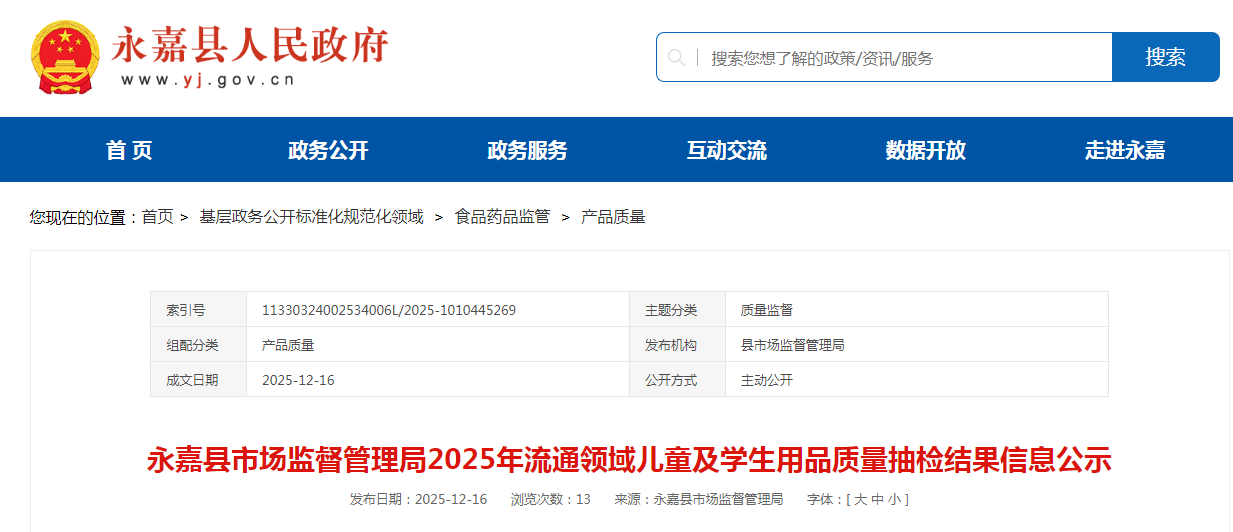
Core Viewpoint - The article reports on the quality inspection results of children's and student products conducted by the Yongjia County Market Supervision Administration in 2025, indicating that all tested items met the supervision inspection requirements [2]. Group 1: Inspection Results - A total of 15 products were tested, including crayons, pencils, correction tape, and glasses, with all items passing the quality inspection [2]. - Specific products that passed include: - Crayons and oil pastels from Wenzhou Aihua Pen Industry Co., Ltd. [2] - Pencils from Shanghai Anshuo Educational Supplies Co., Ltd. [2] - Correction tape from Guangdong Chenqi Stationery Co., Ltd. [2] - Prescription glasses from Wenzhou Jingcheng Optical Co., Ltd. [2] Group 2: Product Categories - The inspected products included: - Art supplies such as crayons and oil pastels [2] - Writing instruments like pencils and pens [2] - Stationery items including correction tape and self-adhesive book film [2] - Optical products such as prescription glasses [2] - Plush toys from various manufacturers [2]
河南方城:盘活闲置资产 激活创业就业“活水源头”
Zhong Guo Jing Ji Wang· 2025-12-30 09:16
Core Insights - The transformation of idle warehouses into productive workshops in Shenying Village, Fangcheng County, has created stable income for the village collective and job opportunities for local residents [1][2] - The town of Quanjiao has implemented a "tenglong huan niao" (replace the old with the new) strategy to revitalize idle assets and address challenges in attracting investment [1][2] Group 1: Asset Utilization - Quanjiao Town has identified 8 idle assets covering over 16,000 square meters through a comprehensive inventory, laying the groundwork for targeted investment attraction [1][2] - The town has successfully revitalized 2 idle schools, 1 old warehouse, and 1 former village office, attracting 4 labor-intensive enterprises with a total investment of 130 million yuan [2] Group 2: Employment and Economic Impact - The introduction of Fangcheng County Penghui Wood Industry Co., Ltd. into a repurposed village school has created over 30 jobs, with a potential annual output of 500 million pencils and a revenue exceeding 15 million yuan [2] - The town's initiatives have led to an average increase of 100,000 yuan in income for village collectives, demonstrating a positive cycle of asset revitalization and investment attraction [2] Group 3: Future Plans - Quanjiao Town plans to further explore the integration of red culture and intangible cultural heritage with idle assets to sustain momentum for rural revitalization [3]

老凤祥:下属子公司中国第一铅笔有限公司有向欧洲出口铅笔的业务,但出口占营收比重较小
Mei Ri Jing Ji Xin Wen· 2025-12-18 08:58
Group 1 - The company does not have any marketing revenue from EU countries as it has not established any subsidiaries there [1] - The company's subsidiary, China First Pencil Co., Ltd., exports pencils to Europe, but this export accounts for a small proportion of its total revenue [1]
老凤祥:目前公司没有在欧盟国家设立公司
Ge Long Hui· 2025-12-18 08:57
Core Viewpoint - The company, Lao Feng Xiang (600612.SH), currently does not have any subsidiaries established in EU countries, although its subsidiary, China First Pencil Co., Ltd., engages in pencil exports to Europe, which constitutes a small portion of its revenue [1] Group 1 - The company has confirmed that it does not operate any subsidiaries in the European Union [1] - China First Pencil Co., Ltd., a subsidiary of the company, is involved in exporting pencils to Europe [1] - The revenue contribution from the pencil exports to Europe is relatively minor [1]
老凤祥(600612.SH):目前公司没有在欧盟国家设立公司
Ge Long Hui· 2025-12-18 08:45
Group 1 - The company, Lao Feng Xiang (600612.SH), currently does not have any subsidiaries established in EU countries [1] - The subsidiary, China First Pencil Co., Ltd., engages in pencil exports to Europe, but this export business constitutes a small portion of the company's overall revenue [1]
研判2025!中国铅笔行业发展历程、产业链图谱、销售规模、竞争格局及发展趋势分析:消费升级重塑市场格局[图]
Chan Ye Xin Xi Wang· 2025-12-10 01:50
Overview - The core demand for pencils in China's market is driven by the daily writing needs in basic education, while the demand for safe and easy-to-hold pencil products in preschool education continues to expand [1][9] - Despite a decline in birth rates and a decrease in the number of students entering primary school, leading to a reduction in school procurement and household stock, the sales revenue of pencils is still on the rise due to price increases [1][9] - In 2024, China's pencil sales are projected to drop to 943 million units, but the sales revenue is expected to reach 1.67 billion yuan, a year-on-year increase of 1.1% [1][9] Industry Development - The pencil industry in China began industrialization in 1935 with the establishment of the first domestic pencil factory, breaking the import monopoly [5] - After the reform and opening up, the market saw increased competition with the entry of private and foreign enterprises, leading to a rapid expansion of production capacity and product variety [6] - Recent years have seen a shift towards environmentally friendly products due to stricter environmental regulations, with a growing demand for high-end art pencils and cultural creative pencils [6][14] Market Structure - The pencil industry has a highly fragmented market with many small-scale participants, where over 70% of pencil-related companies have registered capital under 2 million yuan [10] - Major players in the market include Shanghai Fulemeng New Trend Cultural Supplies Co., Ltd., and China First Pencil Co., Ltd., which is recognized as a leading manufacturer with well-known brands [10][11] Consumer Demographics - Students represent the core consumer group for pencils in China, accounting for over 60% of the market in 2024, with a significant number of students in various educational stages [8][9] - The demand for pencils is expected to evolve as the consumer base expands beyond students to include adults, driven by trends such as hand account culture [14] Future Trends - The pencil industry is expected to move away from traditional wood dependency, with green innovation becoming a core competitive advantage [14] - The rise of design aesthetics and emotional resonance in branding is anticipated to reshape market dynamics, making pencils fashionable items for younger consumers [14]
