长江游轮

Search documents
马年春节假期江苏接待游客超7581万人次
Zhong Guo Xin Wen Wang· 2026-02-24 09:56
Core Insights - During the 2026 Spring Festival holiday, Jiangsu province received over 75.81 million tourists, generating a total expenditure of 60.963 billion yuan, reflecting a year-on-year growth of 10.1% and 10.5% respectively [1][3] Group 1: Tourism Statistics - The monitored tourist attractions in Jiangsu, including 785 scenic spots and 365 rural tourism sites, welcomed 64.07 million visitors, with total spending reaching 34.405 billion yuan, marking increases of 20.5% and 19.35% compared to the 2025 Spring Festival [3] - Out-of-province tourists accounted for 40.91% of total visitors, while inter-city tourists within the province made up 18.22% [3] Group 2: Payment and Consumption Trends - UnionPay reported that during the first eight days of the holiday, Jiangsu's off-site tourism consumption via its channels reached 23.8 billion yuan, a year-on-year increase of 28.57%, representing 10.20% of the national tourism consumption [3] - Alipay's off-site tourism consumption in Jiangsu was 23.422 billion yuan, showing a growth of 10.02% [3] - Meituan's platform ranked second nationally in terms of tourism orders and spending, while Fliggy ranked third in order numbers [3] Group 3: Cultural and Entertainment Activities - Jiangsu hosted over 465 commercial performances, attracting more than 600,000 attendees, with popular shows like "A Dream of Red Mansions" receiving positive feedback [4] - The province organized 334 themed activities for the Spring Festival, alongside over 200 events in key rural tourism villages, showcasing diverse cultural offerings [4] - More than 30 water tourism routes highlighted the unique "water charm" of Jiangsu, including the "Night Stay on Qinhuai" boat tours [4]

5800余项活动精彩纷呈! 江苏文旅喜迎新春“开门红”
Xin Lang Cai Jing· 2026-02-12 12:20
Core Insights - Jiangsu Province's cultural and tourism system plans to launch over 5,800 cultural and tourism activities during the 2026 Spring Festival, aiming to create a vibrant festive atmosphere and boost the market [1] Group 1: Cultural Activities - The province's theme "Water Charm Jiangsu: Inviting You to Celebrate the New Year" will feature series of activities such as "Intangible Cultural Heritage Celebrating the New Year" and "Celebrating the New Year in Museums" [1] - More than 360 commercial performances will be held across the province, including immersive shows like "Dream of the Red Chamber" in Nanjing and a children's drama exhibition in Yancheng [1] Group 2: Museum and Heritage Events - A total of 335 museums will offer over 700 special exhibitions and more than 1,000 educational activities, with 79 museums extending their opening hours [2] - Notable events include the woodblock New Year painting exhibition at the Yangzhou Grand Canal Museum and the 40th Qinhuai Lantern Festival, alongside 790 intangible cultural heritage activities [2] Group 3: New Tourism Products - New tourism offerings such as Yangtze River cruises, Taihu Lake boat tours, and themed parks are gaining popularity, with the global debut of the iQIYI theme park in Yangzhou and the 86-version "Journey to the West" theme park in Nanjing [2] - Additional products like hot spring wellness, e-sports with traditional culture themes, and Hanfu parades cater to diverse consumer demands [2] Group 4: Consumer Incentives - Over 300 consumer-friendly measures have been introduced, including cultural tourism vouchers, ticket discounts, and hotel packages, with more than 200 star-rated hotels offering value-for-money New Year's Eve dinner options [2] - Online promotions through major OTA platforms and offline marketing in key cities aim to stimulate consumer interest [2] Group 5: Inbound Tourism - The "Happy Spring Festival" initiative promotes inbound tourism, offering customized service packages and exclusive itineraries to enhance the international appeal of "Water Charm Jiangsu" [2] Group 6: Safety Measures - The provincial cultural and tourism system emphasizes safety responsibilities, enhancing facility management, scenic area reservations, market supervision, and service optimization [2] - A smart tourism platform will monitor over 6,000 key locations in real-time to ensure a safe and comfortable experience for residents and visitors during the New Year celebrations [2]
焦点访谈|以文化为纽带 长江经济带书写高质量发展新篇章
Yang Shi Wang· 2026-01-07 13:14
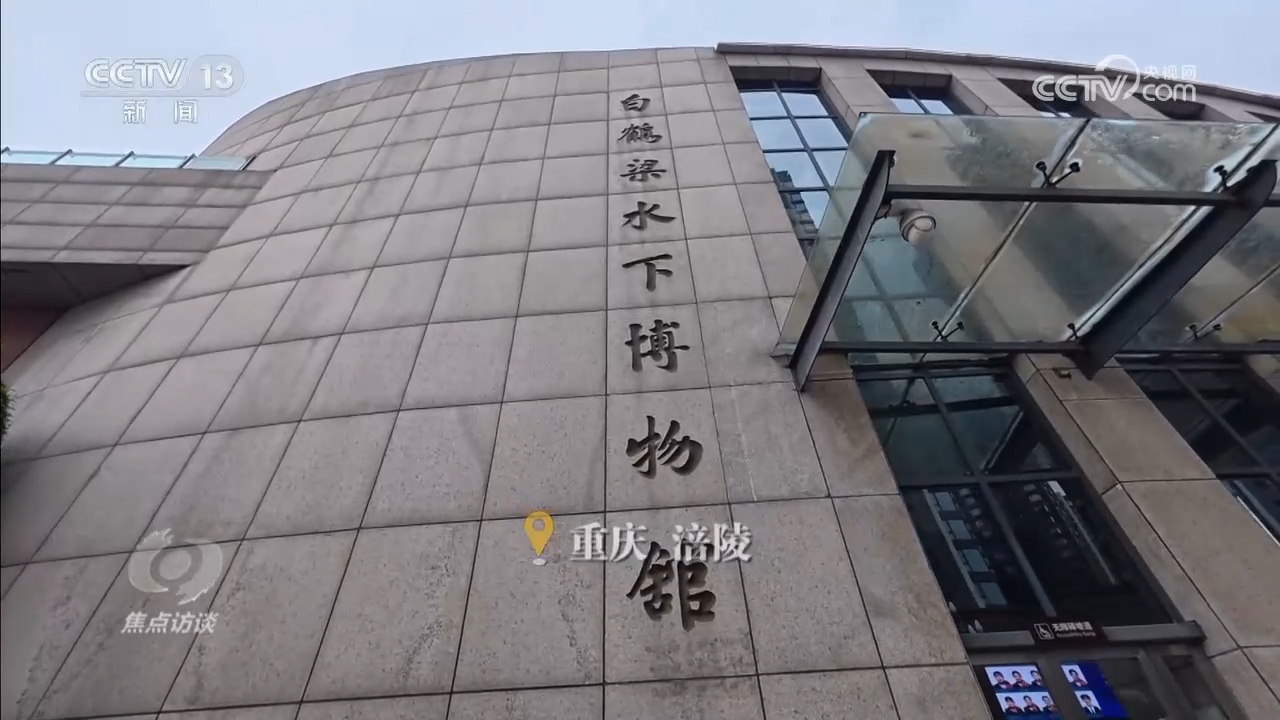
Core Viewpoint - The development of the Yangtze River Economic Belt over the past decade has been significantly influenced by cultural protection and transmission, showcasing a transformation that integrates historical heritage with modern technology and tourism [1][12]. Group 1: Cultural Heritage Protection - The Baidong Liang underwater museum has implemented innovative protection methods for ancient inscriptions, utilizing a "pressure-free container" principle to preserve cultural artifacts in situ [3][5]. - Over the past ten years, 1,335 cultural heritage protection projects have been completed in the Three Gorges area, with over 200,000 artifacts unearthed and 34 museums established [5][9]. - The integration of technology has enhanced the visibility and clarity of cultural relics, allowing for better public engagement and understanding of historical significance [5][12]. Group 2: Cultural Tourism Development - The Yangtze River cruise industry has evolved, with larger vessels and a more international tourist demographic, emphasizing cultural exploration along the river [7][9]. - The establishment of the "Beautiful Yangtze River Three Gorges Cultural Tourism Industry Alliance" aims to connect various districts along the river, promoting cultural tourism and enhancing visitor experiences [7][9]. - The construction of the Yangtze National Cultural Park has begun, integrating natural landscapes with historical narratives, particularly in cities like Jiujiang [9][10]. Group 3: Innovation in Traditional Crafts - The traditional craft of iron painting in Wuhu has seen a revival, with modern design techniques being introduced by younger artisans, leading to increased tourist interest and economic growth [10][12]. - The past decade has seen a shift from traditional apprenticeship to institutional training for crafts, with nearly 700 students trained in iron painting techniques [12][14]. - Various regions have explored innovative paths for intangible cultural heritage, integrating traditional crafts with modern market demands, thus ensuring their sustainability and relevance [14]. Group 4: Cultural Integration and Future Prospects - The Yangtze River culture reflects a blend of diverse traditions, showcasing the continuous evolution and innovation of Chinese civilization over the past 5,000 years [14]. - The ongoing cultural initiatives aim to create a vibrant cultural landscape that resonates with both historical significance and contemporary relevance, fostering a shared national identity [14].