长江电子航道图

Search documents
焦点访谈丨黄金水道含金量进一步提升 解码长江航运十年变化
Yang Shi Xin Wen Ke Hu Duan· 2026-01-06 05:47
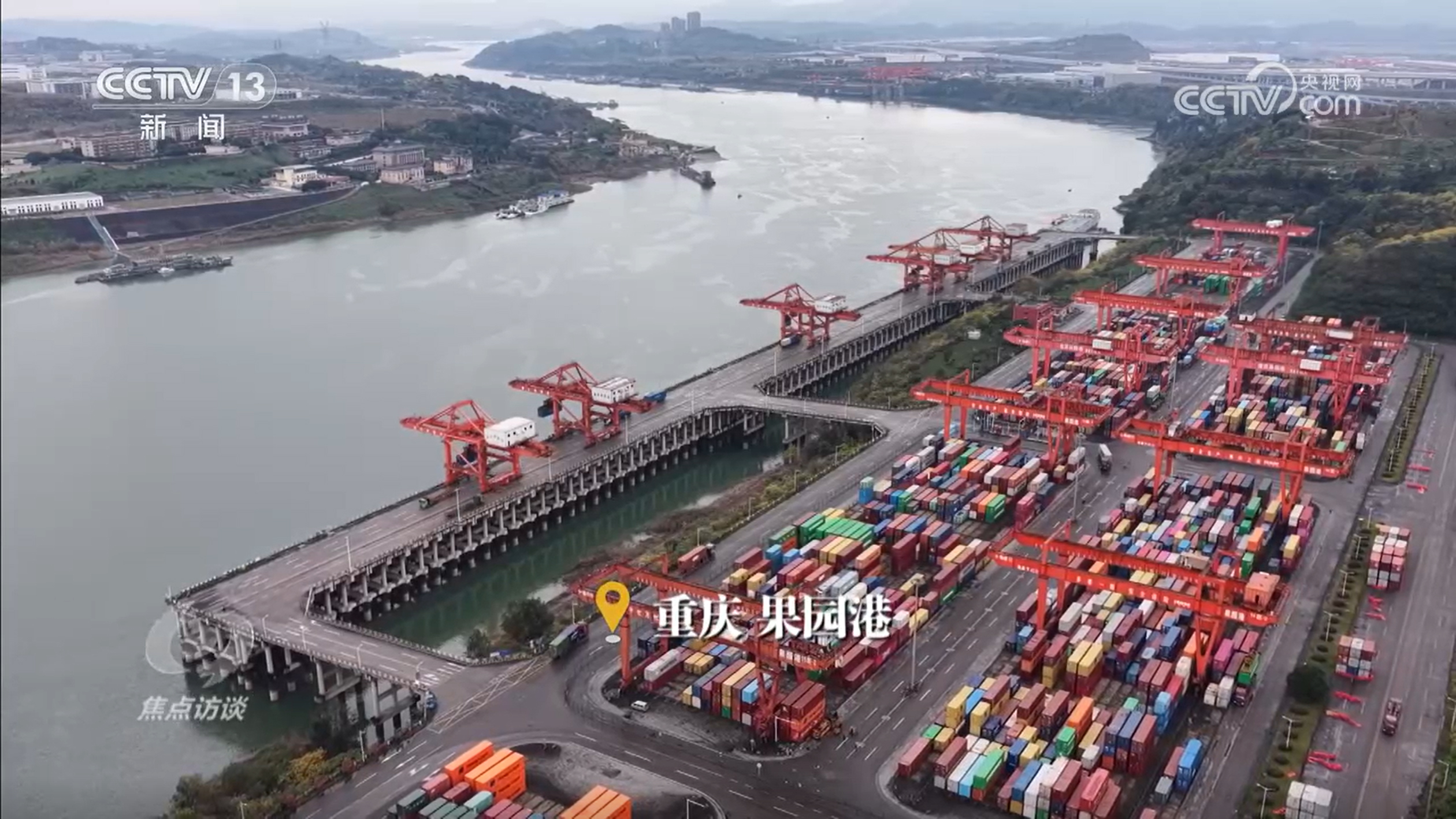
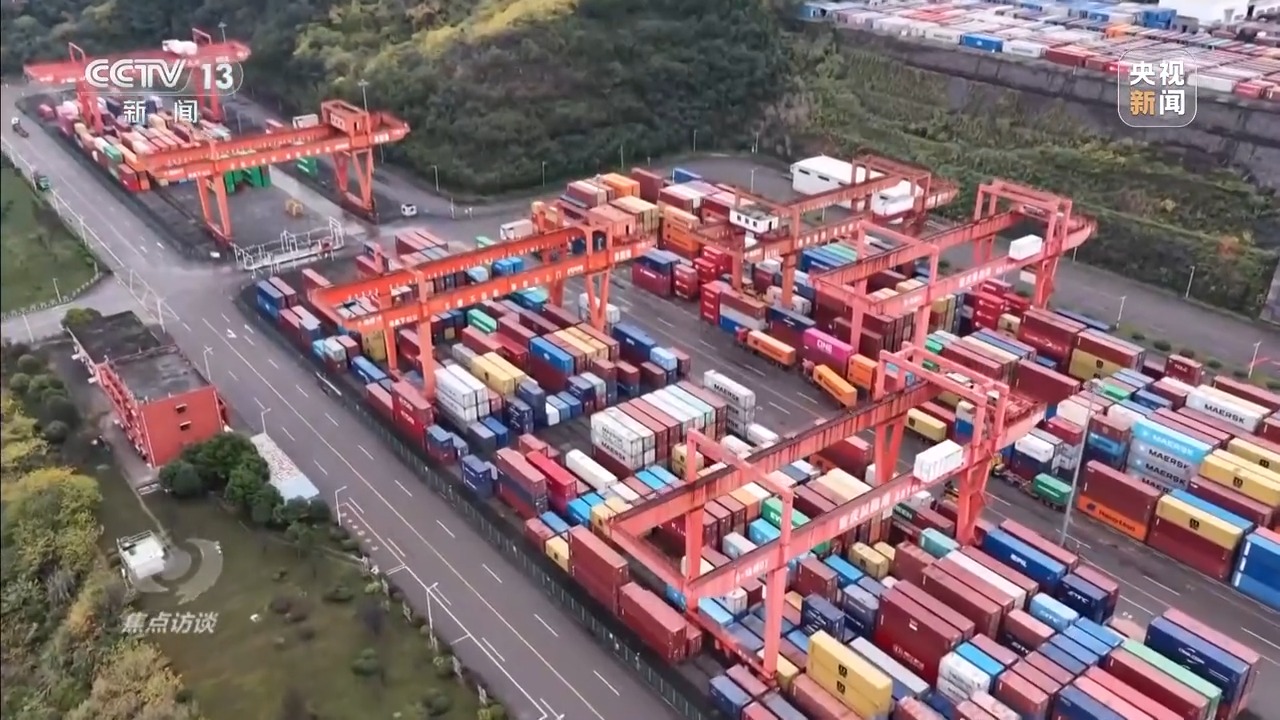
Core Viewpoint - The Yangtze River serves as a vital economic artery for the region, with significant advancements in shipping and logistics over the past decade, enhancing the development of the Yangtze Economic Belt [2][35]. Group 1: Infrastructure and Upgrades - Chongqing Guoyuan Port has evolved into a modern inland port with 18 berths for 5,000-ton vessels and 14 dedicated railway lines, undergoing smart upgrades to improve operational efficiency [4][6]. - The port's annual throughput has exceeded 26 million tons, connecting to over 100 countries and regions globally, reflecting the growth of the manufacturing sector in Western China [6][8]. - The Yangtze River's shipping capacity has significantly improved, with the number of 100-million-ton ports increasing from 11 to 18 over the past decade, enhancing logistics and reducing transportation costs [16][24]. Group 2: Economic Impact - The port facilitates the flow of goods between Western and Eastern China, transitioning from a raw material supplier to a hub for equipment and manufactured goods, indicating rapid industrial growth in the West [8][10]. - The development of the automotive industry in Chongqing, particularly in the electric vehicle sector, is supported by the establishment of roll-on/roll-off terminals at Guoyuan Port, optimizing logistics for exports [10][12]. Group 3: Technological Advancements - Smart maritime control systems have been implemented to manage the busy waterways, significantly reducing accident rates by 70% and improving traffic efficiency [28][30]. - The integration of big data and electronic navigation charts has enhanced operational decision-making, providing over 80 data services to support green development in the Yangtze Economic Belt [32][33]. Group 4: Future Outlook - The Yangtze River is positioned as a key player in the construction of a strong transportation network and a model for high-quality development, with ongoing efforts to enhance its role as a global inland waterway [35].

黄金水道含金量进一步提升 解码长江航运十年变化
Yang Shi Xin Wen Ke Hu Duan· 2026-01-06 05:33
Core Viewpoint - The Yangtze River serves as a crucial economic artery for the region, with significant advancements in shipping and logistics over the past decade, enhancing the overall development of the Yangtze Economic Belt [1][34]. Group 1: Infrastructure and Capacity - The Chongqing Guoyuan Port has evolved into a modern inland port with 18 berths for 5,000-ton vessels and 14 dedicated railway lines, showcasing significant upgrades in smart technology [3][5]. - The annual throughput of Guoyuan Port exceeds 26 million tons, connecting to over 100 countries and regions globally, indicating a robust increase in shipping capacity [5][9]. - The number of 100-million-ton ports along the Yangtze River has increased from 11 to 18 over the past decade, with significant improvements in logistics efficiency and reduced transportation costs [15][34]. Group 2: Economic Development and Industry Linkage - The port's operations have shifted from being a raw material supplier to facilitating the export of manufactured goods, reflecting the rapid development of the western manufacturing sector [7][9]. - The establishment of a roll-on/roll-off terminal for electric vehicles at Guoyuan Port enhances logistics efficiency, reducing costs and time for exports [9][11]. - The port plays a pivotal role in linking western and eastern coastal industries, contributing to a more integrated national economy [7][11]. Group 3: Technological Advancements - Smart upgrades at the port have allowed operators to control multiple devices remotely, significantly increasing operational efficiency [5][3]. - The implementation of intelligent maritime traffic control systems has reduced accident rates by 70%, showcasing the effectiveness of technology in enhancing safety and efficiency [27][29]. - The Yangtze River's electronic navigation chart has expanded its services to include environmental monitoring and other shipping elements, supporting green development initiatives [32][34]. Group 4: Future Outlook - The Yangtze River is positioned to continue as a leading global inland waterway, with ongoing efforts to enhance its capacity and service quality, aiming for high-quality development in the region [34][19]. - The focus on building a comprehensive transportation hub at Guoyuan Port aligns with national strategies for economic growth and infrastructure development [13][34].
焦点访谈|黄金水道 十年巨变:长江航运如何赋能经济带高质量发展
Yang Shi Wang· 2026-01-05 13:30
Core Viewpoint - The Yangtze River is a vital economic artery for the region, referred to as the "golden waterway," and plays a crucial role in the development of the Yangtze River Economic Belt strategy, which has seen significant advancements over the past decade [1][10]. Group 1: Infrastructure and Capacity - The Chongqing Guoyuan Port has been upgraded to a modern inland port with 18 berths for 5,000-ton vessels and 14 dedicated railway lines, enhancing its operational efficiency [3][4]. - The port's annual throughput has exceeded 26 million tons, connecting to over 100 countries and regions globally, indicating a significant increase in cargo movement [4][10]. - The number of 100-million-ton ports along the Yangtze River has increased from 11 to 18 over the past decade, improving logistics and reducing transportation costs [11][15]. Group 2: Technological Advancements - The port has implemented smart upgrades, allowing operators to control multiple devices from a remote control room, significantly increasing work efficiency [4][5]. - The development of a smart maritime traffic control system has reduced accident rates by 70% in busy shipping areas, showcasing the effectiveness of technology in enhancing safety and efficiency [16][18]. - The Yangtze River's electronic navigation chart now provides over 80 data services, contributing to the green development of the economic belt by integrating various shipping elements [19]. Group 3: Economic Impact - The port's transformation has facilitated the shift of the western region from being a raw material supplier to a manufacturing hub, with increased exports of equipment and goods [7][10]. - The Chongqing Guoyuan Port serves as a critical node in the logistics network, linking the western region with the eastern coastal areas and enhancing industrial synergy [8][10]. - The Yangtze River's cargo throughput has surpassed 4.2 billion tons, maintaining its position as the world's busiest inland waterway, which is essential for the economic growth of the region [19][21].