
阿拉善驼奶

Search documents
内蒙古以标准引领赋能经济社会高质量发展
Xin Lang Cai Jing· 2026-01-02 18:29
Core Viewpoint - Inner Mongolia is implementing a standardization strategy to enhance high-quality development across various sectors, including agriculture, industry, and social services, leading to significant improvements in product quality and economic benefits [4][5][6][7][8][11]. Agricultural Sector - The annual grape production in Wuhai increased from 680 tons to 800 tons due to standardized cultivation methods [4] - The introduction of the "Meng" brand standard has improved the quality and marketability of local agricultural products, resulting in increased income for farmers, such as a 150 CNY increase per sheep for herders [7] - The establishment of 25 high-quality development standard systems in agriculture has led to significant economic, social, and ecological benefits [8] Industrial Sector - Inner Mongolia has developed 30 high-quality standard systems in the industrial sector, focusing on unique industries like cashmere and rare earth materials, which has filled several industry standard gaps [11] - The rare earth hydrogen storage materials standard system has improved product quality and stability, with sales reaching 1,087 tons in 2023, generating an additional revenue of 23.63 million CNY [11][12] Social Services - The construction of high-quality standard systems in social services, such as elderly care and public safety, has improved service quality and operational standards, leading to enhanced efficiency in governance [5][6] - The implementation of a standardized community elderly care service system has resulted in the establishment of 17 local standards, promoting better service delivery [5] Ecological Governance - Inner Mongolia has developed a comprehensive standard system for ecological governance, focusing on sustainable land management and ecological protection, contributing to the region's ecological safety [6] - The establishment of 23 high-quality development standards in ecological governance has supported the construction of a significant ecological safety barrier in northern China [6] Regional Cooperation - Inner Mongolia is actively participating in regional standardization initiatives, enhancing cooperation with neighboring provinces and promoting the mutual recognition of local standards [13][14] - The region has established a collaborative local standard system for ecological protection in the Yellow River basin, facilitating inter-regional standard connectivity [13] International Standards - Inner Mongolia has led or participated in the development of 21 international standards, enhancing its influence in global industries [15] - The region is working to align its standards with international benchmarks, facilitating the global acceptance of "Chinese standards" [15]

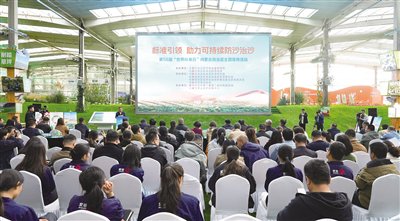
“蒙”字标赋能产业强链 提振消费信心
Sou Hu Cai Jing· 2025-11-05 08:41
Core Viewpoint - The "Meng" brand certification in Inner Mongolia has established high standards for quality assurance in local agricultural products, enhancing their market competitiveness and consumer trust [1][4][11]. Group 1: Certification Standards - Inner Mongolia has developed 152 "Meng" brand certification standards covering various local specialties such as beef, lamb, dairy products, and medicinal herbs [1]. - The certification process emphasizes high-quality indicators and green organic process control, aligning with both domestic and international standards [1][3]. - The "Meng" brand certification has been recognized for its technical standards, which exceed national benchmarks and align with international criteria [3]. Group 2: Quality Assurance and Trust - The certification system ensures rigorous quality control from production to market, establishing a comprehensive traceability system for "Meng" brand products [5][6]. - Inner Mongolia has certified 147 quality enterprises, with over 1,400 certified products, enhancing brand recognition and consumer trust [5][6]. - The regulatory framework includes strict monitoring of certification processes and compliance checks, maintaining a 100% pass rate in regular inspections [6][7]. Group 3: Market Impact and Brand Development - The "Meng" brand has become a prominent regional brand, significantly contributing to Inner Mongolia's reputation as a key agricultural production base in China [3][10]. - The brand's marketing strategies include establishing sales centers and online platforms to promote "Meng" products, enhancing their visibility and accessibility [9]. - The brand aims to transform local agricultural practices from raw material sales to value-added processing, thereby increasing profitability for producers [8][9]. Group 4: Recognition and Future Prospects - The "Meng" brand certification has been recognized as a national exemplary case for quality certification services, showcasing its innovative governance model [10]. - The brand's practices have been shared internationally, providing a reference for enhancing regional economic competitiveness and modern governance [10].
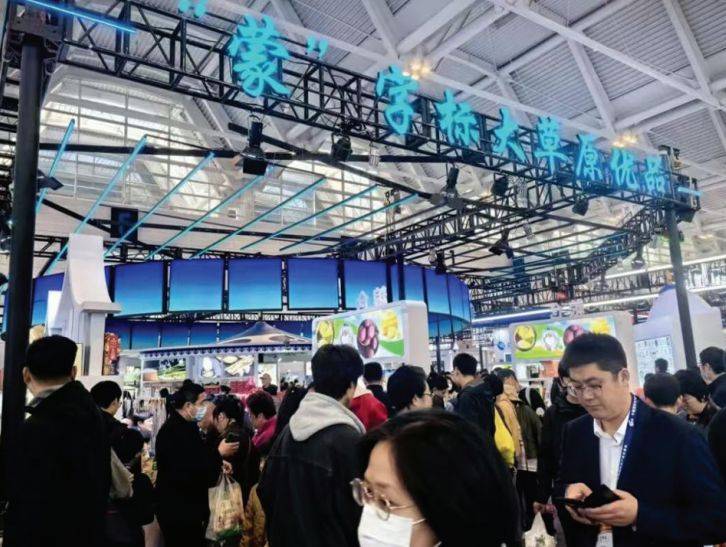
阿拉善驼奶“南下”进军华东市场
Nei Meng Gu Ri Bao· 2025-06-11 02:53
Core Insights - The event held on June 9, 2025, in Nanjing aimed to promote the Alashan camel milk industry in the East China market, enhancing the regional public brand "Alashan Gift" [1] - The event featured a comprehensive promotion of the entire camel milk industry chain, including ecological breeding, deep processing, and market sales [1][2] - Alashan camel milk has seen rapid growth in the East China market, with sales exceeding 120 million yuan and a target to reach 500 million yuan in the next 3 to 5 years [2] Group 1 - The event included the global launch of organic fresh milk from the "Every Camel in the Desert" brand and the signing of cooperation agreements for Alashan specialty agricultural and livestock products [1] - Approximately 100 camel milk products were showcased, including camel milk powder and unique local products like Gobi stones and jade ornaments [1] - The Alashan League plans to deepen its market presence in the southeastern coastal regions, leveraging its status as "China's Hometown of Camels" and "China's Camel Milk Hometown" [2] Group 2 - The total investment in the camel milk industry has reached 280 million yuan, with a production capacity exceeding 10,000 tons in 2024 [2] - The collaboration between Jiangsu and Inner Mongolia is expected to create a new platform for regional coordinated development through the camel milk industry [2] - The Alashan camel milk industry has achieved a total industrial chain output value of 2.5 billion yuan, indicating significant growth and market potential [2]