阿胶黄芪口服液

Search documents
京东健康联合头部滋补品牌成立“老字号联盟” 激活国货品牌潜力
Zhong Jin Zai Xian· 2025-12-05 03:10
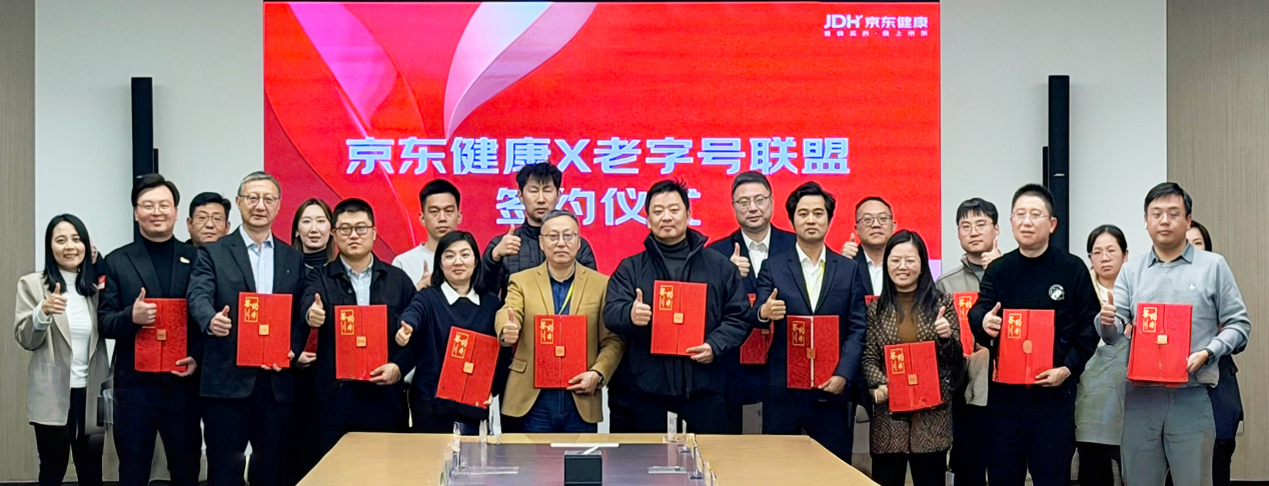
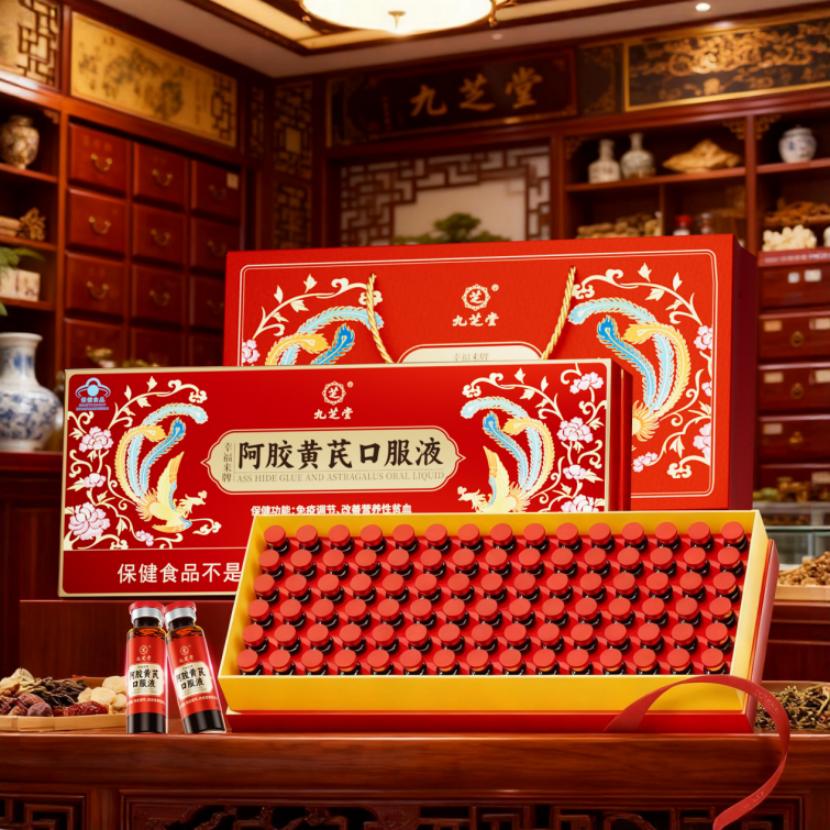
Group 1 - The core idea of the news is the establishment of the "Nourishing Old Brand Alliance" by JD Health in collaboration with over twenty leading traditional Chinese medicine brands to address market changes and explore digital and youthful transformation paths for these brands [1][2] - The health consumption trend is shifting towards online, functional, and youthful preferences, with the online market for nourishing health products showing a compound annual growth rate of over 30% on JD's platform [2] - Traditional nourishing products are evolving from basic agricultural products to more convenient, snack-like, and functionally complex processed forms, such as ready-to-eat products and individually packaged items, aligning with modern consumer needs for easy nourishment [2] Group 2 - JD Health has been collaborating deeply with numerous old brand companies, helping them achieve both sales and user growth while refreshing their brand image to appeal to a new generation of consumers [4] - The "Nourishing Old Brand Alliance" will provide systematic support to its members, addressing challenges such as brand youthfulness, user reach, and supply chain efficiency [4] - JD Health's data insights have identified strong demand for traditional nourishing products like Ejiao, leading to the development of new products such as the "Ejiao Astragalus Oral Liquid" in partnership with brands like Jiuzhitang [4]


京东健康发起“滋补老字号联盟” 推动传统滋补行业现代化转型
Zhong Jin Zai Xian· 2025-12-05 02:37
Core Viewpoint - The establishment of the "Nourishing Old Brand Alliance" by JD Health and over twenty leading traditional Chinese medicine brands aims to address market changes and explore digital and youthful transformation paths for old brands, promoting high-quality and sustainable development in the health industry [1][2]. Group 1: Market Trends - There is a significant trend towards health consumption becoming more online, functional, and youthful, driven by increasing health awareness among consumers [2]. - The online market potential for health supplements is substantial, with JD's health supplement category experiencing a compound annual growth rate of over 30% [2]. - Traditional health supplement products are evolving from basic agricultural products to more convenient, snack-like, and functionally complex processed forms, such as ready-to-eat products and individually packaged items [2]. Group 2: Consumer Behavior - JD Health's data insights reveal that health supplements are closely associated with the "gift of health" consumer mindset, making them popular choices for holidays and social occasions [2]. - Over 87% of users actively search for keywords like "gift box" and "gift" when looking to purchase health supplements, indicating a significant market opportunity [2]. Group 3: Support for Old Brands - JD Health has collaborated with numerous old brand companies, helping them achieve both sales and user growth while refreshing their brand image to appeal to a new generation of consumers [4]. - The company provides systematic support to members of the "Nourishing Old Brand Alliance" to address challenges such as brand youthfulness, user engagement, and supply chain efficiency [4]. - An example includes the collaboration with Jiuzhitang to develop the "Ejiao Huangqi Oral Liquid," which quickly validated its market potential within two months of launch [4]. Group 4: Future Outlook - JD Health plans to leverage its super supply chain and professional capabilities to help old brand companies rejuvenate while maintaining quality, promoting the modern expression and inheritance of traditional nourishing culture [5].
健康需求主动化成消费底色,天猫成健康品牌突围主战场
3 6 Ke· 2025-11-17 02:36
Group 1 - The core viewpoint of the articles emphasizes that health is becoming a fundamental aspect of consumer behavior, shifting from reactive to proactive consumption, and integrating health into daily life [1][4][18] - The health consumption trend is particularly driven by women aged 20 to 40, who are the primary decision-makers for family health expenditures and are increasingly focused on self-care and emotional well-being [2][9] - There is a notable shift in health product categories from general functional items to more specific needs, such as menstrual care, emotional relief, and skin barrier repair, reflecting a more nuanced understanding of consumer demands [2][3][5] Group 2 - The integration of medical standards into everyday products is becoming more accepted, with consumers seeking higher safety and efficacy in items like medical-grade masks and oral solutions [3][15] - Brands are responding to the demand for convenience and efficiency, as seen in the transformation of traditional products like 九芝堂's herbal remedies into easy-to-consume formats [6][8] - New brands like beU are successfully addressing previously overlooked female needs in the market, demonstrating the importance of understanding specific consumer experiences and preferences [9][10][12] Group 3 - The health consumption landscape is evolving from a focus on disease prevention to enhancing overall quality of life, indicating a significant shift in consumer expectations [4][17] - The success of brands during events like Double 11 highlights the importance of precise demand identification and the ability to adapt offerings to meet specific consumer scenarios [5][17] - Platforms like Tmall Health are crucial in supporting new brands and products by providing exposure and incentives, thereby facilitating the growth of innovative health solutions [17][18]


健康需求主动化成消费底色,天猫成健康品牌突围主战场
36氪未来消费· 2025-11-14 12:06
Core Viewpoint - Health is becoming a fundamental aspect of consumption, transitioning from a reactive to a proactive approach, where consumers prioritize prevention and lifestyle choices over merely addressing health issues [3][4][11]. Group 1: Trends in Health Consumption - Health consumption is evolving from problem-solving to state management, with consumers focusing on prevention and emotional well-being [4][10]. - The main demographic driving health consumption is women aged 20 to 40, who are key decision-makers for family health expenditures [8][9]. - The demand for health products is becoming more specific, leading to the emergence of niche categories such as menstrual care, emotional relief, and hormone balance [9][10]. Group 2: Shifts in Consumer Behavior - Consumers are increasingly seeking products that provide both efficacy and emotional comfort, leading to a demand for products that integrate medical standards into everyday items [10][24]. - The rise of "medical-grade" daily products indicates a shift in consumer perception, where safety and efficacy are prioritized in everyday health items [10][26]. - Brands are adapting to this shift by focusing on real-life scenarios and emotional needs, leading to a more personalized approach to health products [14][19]. Group 3: Brand Innovations and Market Examples - Traditional brands like Jiuzhitang are innovating by transforming traditional remedies into convenient formats, such as ready-to-drink solutions, to meet modern consumer needs [16][18]. - New brands like beU are addressing previously overlooked female needs in the contraceptive market, focusing on comfort and safety rather than just functionality [20][23]. - Brands like Oushuang are introducing medical-grade standards into everyday hygiene products, addressing common but often ignored consumer concerns [24][26]. Group 4: Market Dynamics and Platform Role - The health consumption landscape is shifting from a focus on functional benefits to lifestyle integration, with brands needing to understand and respond to real-life consumer experiences [26][30]. - Platforms like Tmall Health are crucial in supporting new brands and products, providing mechanisms for exposure and validation of trends [29][30]. - The evolving health consumption trends are leading to a redefined supply-demand relationship, where brands must leverage technology and consumer insights to succeed [30].