陶瓷卫浴产品

Search documents
日本马桶大王,竟成了AI芯片热潮中的受益者
Sou Hu Cai Jing· 2026-01-24 07:16
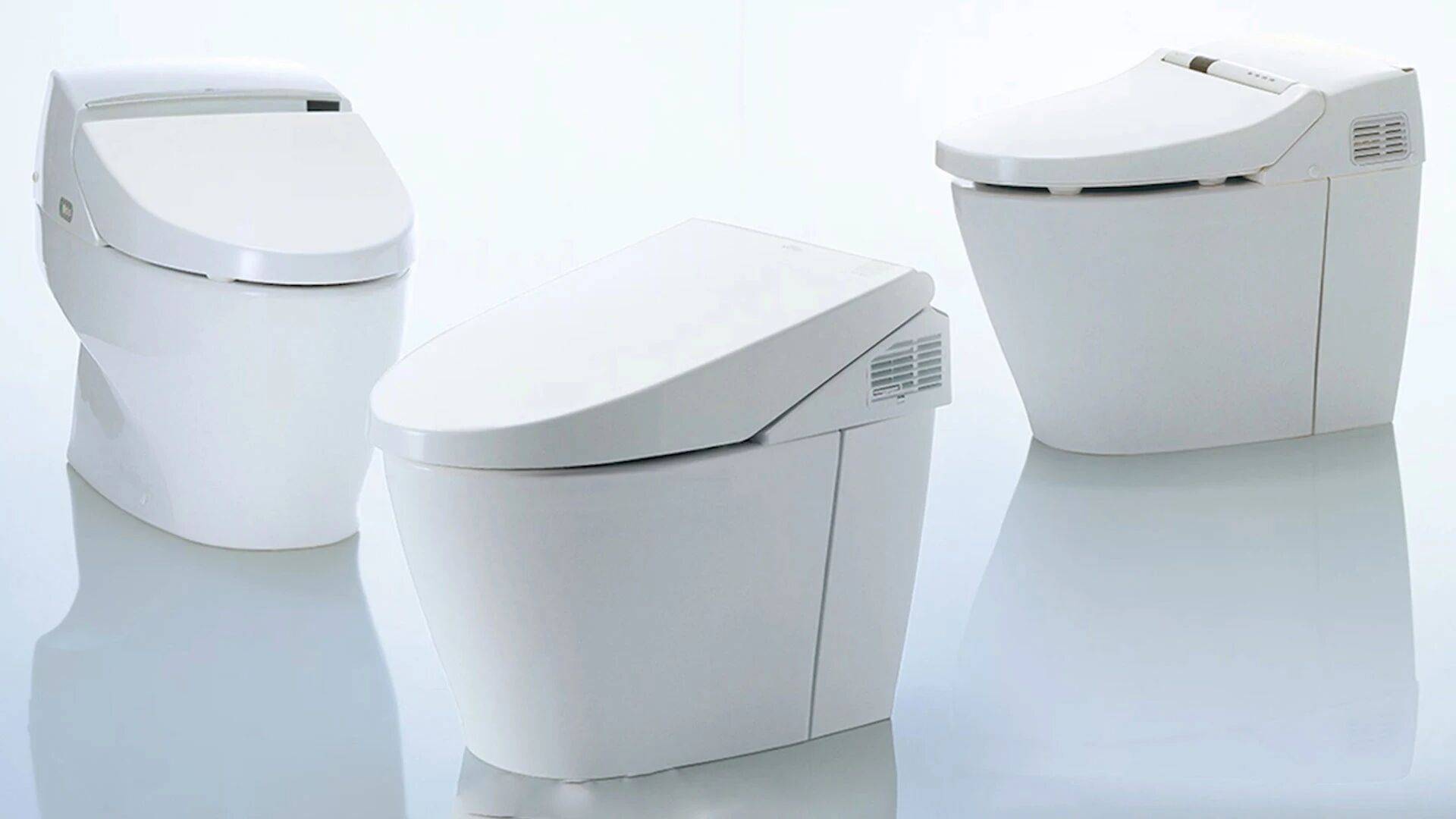
Core Viewpoint - Toto, a well-known Japanese manufacturer of ceramic bathroom products, has unexpectedly benefited from the surge in demand for storage chips driven by artificial intelligence, leading to a significant increase in its stock price and anticipated profit growth [2][3]. Financial Performance - Toto's new business segment, which includes its semiconductor-related operations, reported revenues of 29.6 billion yen (approximately 190 million USD or 1.32 billion RMB) for the first half of the fiscal year ending October 31, 2025, representing a year-on-year increase of 137% [5]. - The operating profit for this segment reached 12.9 billion yen (approximately 83 million USD or 577 million RMB), marking a year-on-year increase of 142% [5]. Market Dynamics - The semiconductor industry's supply-demand imbalance is a significant driver for Toto's electrostatic chuck business, which is expected to benefit from the ongoing construction wave of AI data centers [3][10]. - The global electrostatic chuck market is projected to grow from 1.79 billion USD in 2022 to 2.41 billion USD by 2028, with a compound annual growth rate of 5.1% [20]. Product Development and Technology - Toto has leveraged its long-standing expertise in ceramic manufacturing to improve the durability and performance of its electrostatic chucks, utilizing high-performance Al2O3 materials to enhance resistance to plasma and reduce contamination [21][24]. - The company aims to achieve an operating profit of 25 billion yen (approximately 160 million USD) in its semiconductor business by the fiscal year 2025, indicating strong growth expectations [10][24]. Competitive Landscape - The electrostatic chuck market is primarily dominated by companies from the US, Japan, and South Korea, with major suppliers including Applied Materials, Lam Research, and Shinko Electric Industries [17][18]. - Toto's strategy includes investing in ceramic technology and expanding its product offerings to strengthen its position in the semiconductor sector, especially as demand for AI and data center technologies increases [24].

特朗普“关税大棒”砸向建材家具
第一财经· 2025-09-26 15:13
Core Viewpoint - The article discusses the recent announcement by U.S. President Trump regarding new tariffs on various imported products, which is expected to escalate global trade tensions and impact the home building materials industry, particularly in Southeast Asia and China [3]. Group 1: Tariff Impact - Starting from October 1, the U.S. will impose a 50% tariff on kitchen cabinets and bathroom sinks, and a 30% tariff on imported furniture [3]. - Previous tariff rounds did not significantly affect sales to the U.S., but the rise of Southeast Asian factories has pressured prices [3]. - In April and May, China's furniture exports saw a decline of 7% and 9% year-on-year due to tariffs, but by June, exports rebounded with a growth of 1.25% year-on-year as trade tensions eased [3]. Group 2: Market Dynamics - Companies in the home goods export sector are adjusting to tariff policies, with some shifting focus to markets in Europe, the Middle East, and Southeast Asia [4]. - Despite tariffs, the price of Chinese-made bathroom products may still be lower than U.S.-made alternatives, as demonstrated by a case where a Chinese showerhead priced at $129 would cost $239 if manufactured in the U.S. due to increased production costs [4]. - The U.S. is heavily reliant on imports for finished furniture, with Vietnam and China being the primary sources [6]. Group 3: Export Data - In 2024, China's sanitary ceramics exports reached 110 million units, totaling $15.64 billion, with the U.S. being the largest export destination [5]. - In the first half of 2025, China's furniture exports amounted to $34.92 billion, with the U.S. accounting for $8.04 billion, representing 23% of total exports [5]. - The U.S. furniture import market is significant, with total imports projected at $27.14 billion for the 2023-2024 fiscal year, with Vietnam leading in market share [5].