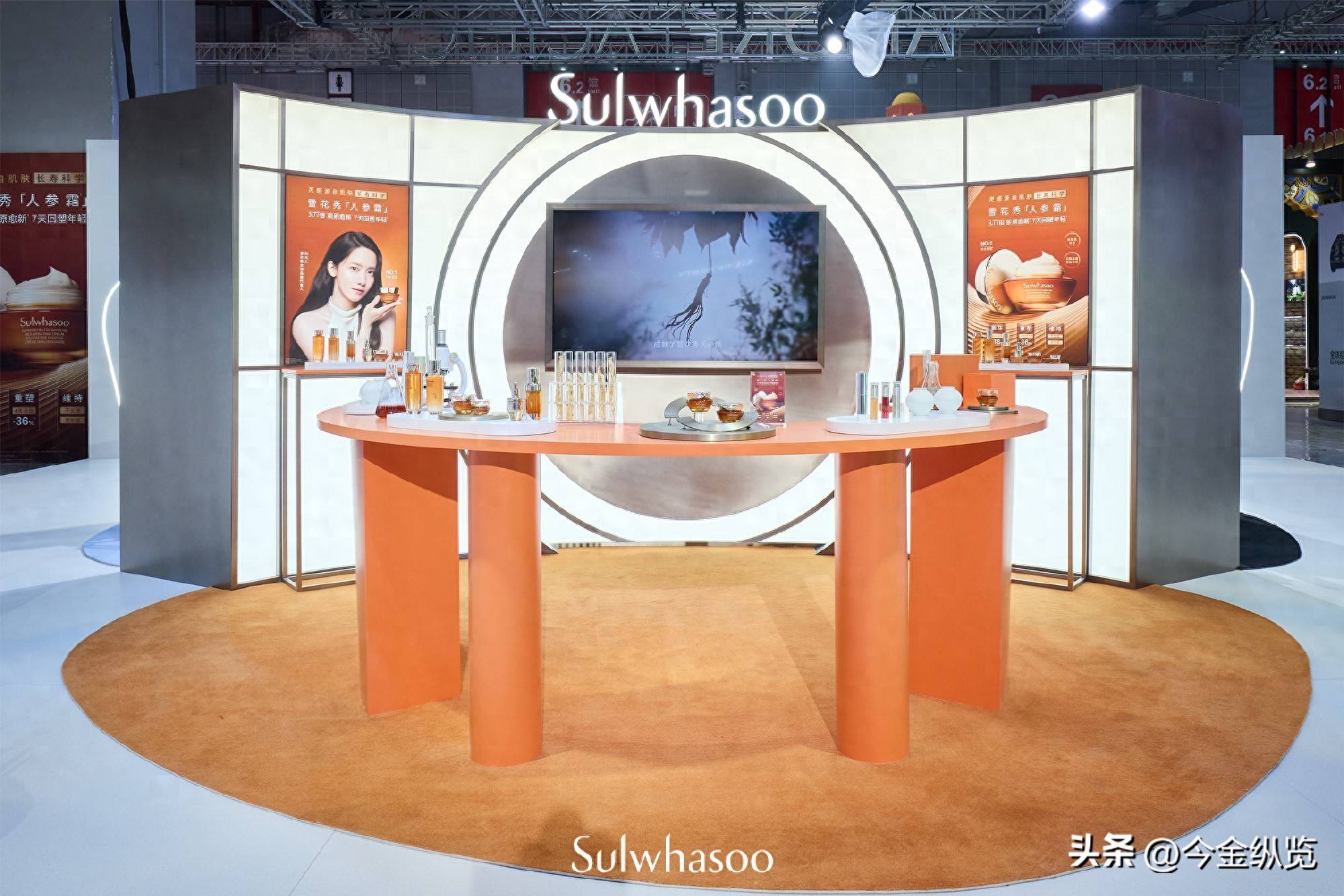
雪花秀润燥精华

Search documents
2025,超30个知名美妆在中国大溃退
3 6 Ke· 2026-01-06 00:55
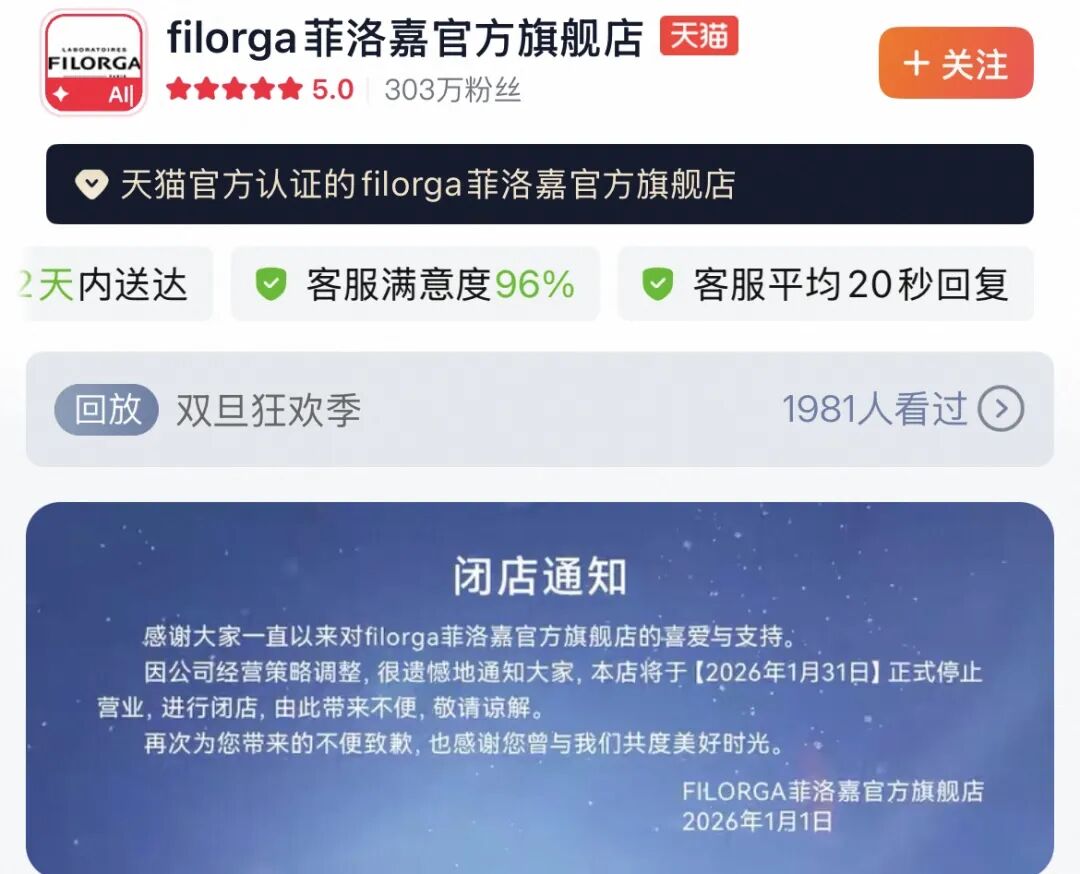
Core Insights - The Chinese cosmetics market is undergoing a significant structural transformation, presenting both opportunities for brands and severe survival challenges, particularly for international beauty brands [1][3][4] Group 1: International Brand Challenges - Colgate's French skincare brand Filorga announced the closure of its Tmall flagship store, marking a strategic retreat from the Chinese market after being acquired for nearly €1.5 billion (approximately ¥12.2 billion) [3] - Over 30 international beauty brands are projected to experience a "mass retreat" from China by 2025, with a notable concentration of closures among Japanese and Korean brands, which account for nearly 80% of the total [3][7] - In 2025, 16 Japanese beauty brands are expected to close or withdraw from the Chinese market, indicating a worsening trend for these brands [7][8] Group 2: Japanese Brand Dynamics - Japanese brands are characterized by a "slow craftsmanship" approach, which has become a liability in the fast-evolving market, leading to significant challenges against local and Western competitors [8][21] - Historical data shows that brands like Sekkisei and Decorte, which once thrived in China, are now retracting their presence due to declining sales and market pressures [9][10] - The overall performance of Japanese beauty brands in China has been declining, with Shiseido reporting a 12.4% drop in sales in the Chinese market in the first half of 2025 [20] Group 3: Korean Brand Struggles - Korean beauty brands are also facing difficulties, with a reported decline in exports to China, which fell below 20% for the first time in 2025 [22] - Six Korean brands are expected to close or withdraw from the Chinese market, with most being under the Amorepacific Group, indicating a significant contraction in their market presence [25][26] - Despite challenges, some Korean brands are attempting to optimize their strategies in China, focusing on digital innovation and resource allocation [30] Group 4: European and American Brand Trends - European and American brands are experiencing a decline in their presence in China, with closures primarily among budget and niche makeup brands [32][33] - The exit of brands like LA Girl and Flower Beauty highlights the competitive disadvantage faced by foreign budget brands against local alternatives [36] - The rise of domestic budget makeup brands, which have shown significant growth, further complicates the landscape for foreign brands [36] Group 5: Domestic Brand Landscape - In 2025, 17 domestic beauty brands are reported to have closed, primarily those established between 2017 and 2024, indicating a challenging environment for newer entrants [39] - The closures are attributed to rising costs, funding pressures, and strategic shifts within companies, reflecting a broader trend of consolidation and optimization in the industry [44][45] - The market is expected to continue evolving, with a focus on differentiation and adaptation to consumer demands becoming crucial for survival [46]

雪花秀撤店潮席卷二线!韩妆告别中国,背后藏着惊人消费剧变!
Sou Hu Cai Jing· 2025-12-13 12:03
Core Viewpoint - The article discusses the decline of Korean cosmetics brands, particularly Sulwhasoo, in the Chinese market, highlighting the rise of domestic beauty brands and changing consumer preferences [1][9]. Group 1: Market Trends - Sulwhasoo plans to close approximately 30 stores in China, primarily in second-tier cities, reflecting a broader struggle for Korean cosmetics brands in the market [3][5]. - From 2022 to 2025, the share of Korean cosmetics in China's online sales is projected to drop from 69% to 23%, while the U.S. market share will increase to 51%, indicating a significant loss of popularity in China [10]. - In 2023, domestic beauty brands surpassed international brands in market share for the first time, with brands like Winona and Fulejia gaining traction due to better understanding of local consumer needs and competitive pricing [12]. Group 2: Consumer Behavior - There has been a shift in consumer purchasing behavior from valuing brand reputation and packaging to focusing on product ingredients and effectiveness [13]. - Consumers are increasingly scrutinizing product ingredient lists, leading to a preference for brands that provide clear information about their formulations and benefits [15]. Group 3: Channel Dynamics - The decline of foot traffic in traditional department stores has negatively impacted brands like Sulwhasoo that rely heavily on physical retail locations [7][19]. - Many leading domestic brands have over 90% of their sales coming from online channels, while Korean brands have been slow to adapt to this shift, missing out on the online sales boom [17][19]. Group 4: Innovation and Adaptation - Korean cosmetics brands are struggling with product innovation and are unable to keep pace with the rapid changes in consumer demand in China [21][23]. - Unlike international giants that invest in local R&D to cater to Chinese consumers, Korean brands like Amorepacific continue to rely on a one-size-fits-all approach, limiting their adaptability [23]. Group 5: Future Outlook - The ongoing store closures may signal a challenging future for Korean brands in China, as they must reconsider their strategies to remain relevant in a highly competitive market [25].