
理肤泉B5面膜

Search documents
雪花秀撤店潮席卷二线!韩妆告别中国,背后藏着惊人消费剧变!
Sou Hu Cai Jing· 2025-12-13 12:03
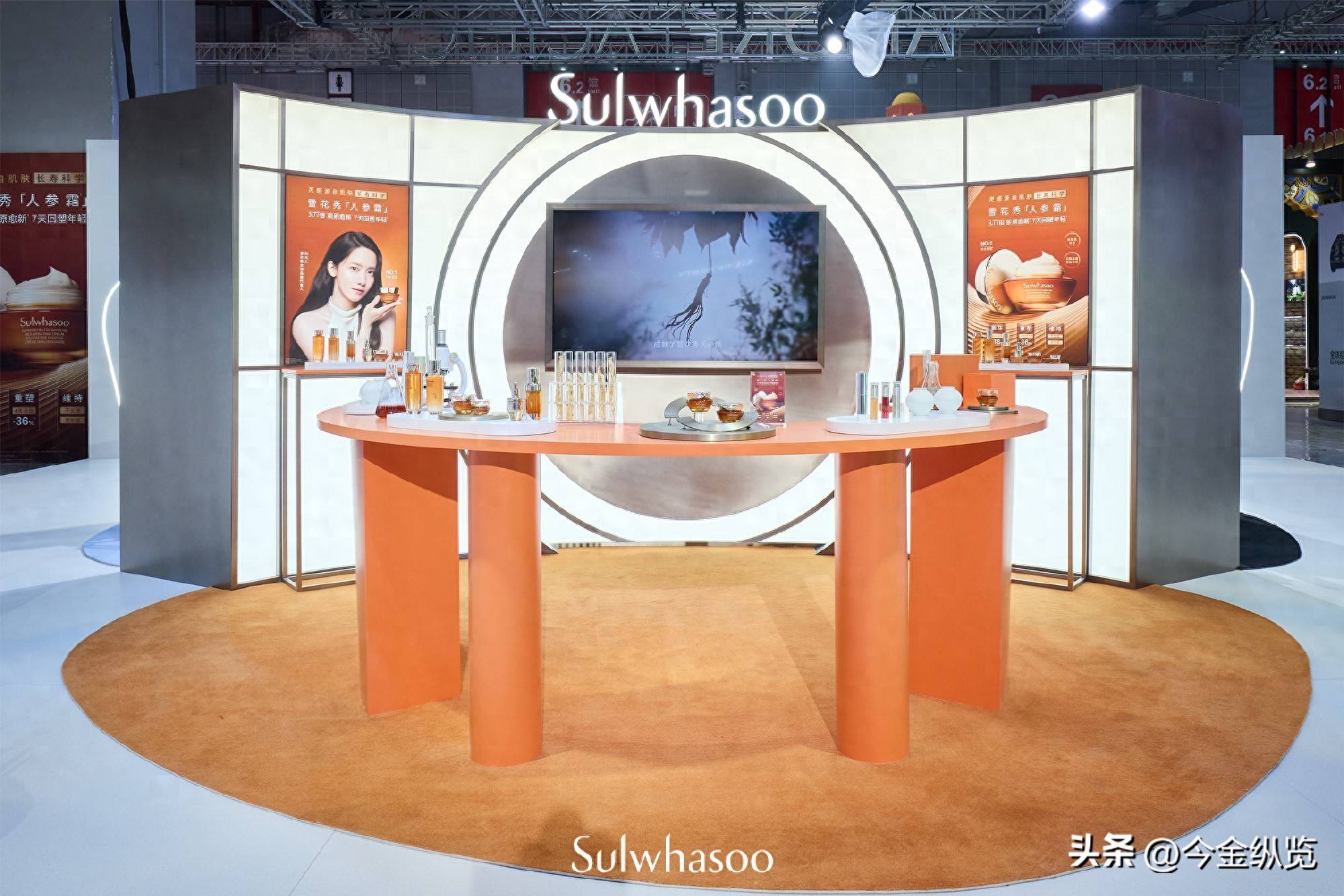
Core Viewpoint - The article discusses the decline of Korean cosmetics brands, particularly Sulwhasoo, in the Chinese market, highlighting the rise of domestic beauty brands and changing consumer preferences [1][9]. Group 1: Market Trends - Sulwhasoo plans to close approximately 30 stores in China, primarily in second-tier cities, reflecting a broader struggle for Korean cosmetics brands in the market [3][5]. - From 2022 to 2025, the share of Korean cosmetics in China's online sales is projected to drop from 69% to 23%, while the U.S. market share will increase to 51%, indicating a significant loss of popularity in China [10]. - In 2023, domestic beauty brands surpassed international brands in market share for the first time, with brands like Winona and Fulejia gaining traction due to better understanding of local consumer needs and competitive pricing [12]. Group 2: Consumer Behavior - There has been a shift in consumer purchasing behavior from valuing brand reputation and packaging to focusing on product ingredients and effectiveness [13]. - Consumers are increasingly scrutinizing product ingredient lists, leading to a preference for brands that provide clear information about their formulations and benefits [15]. Group 3: Channel Dynamics - The decline of foot traffic in traditional department stores has negatively impacted brands like Sulwhasoo that rely heavily on physical retail locations [7][19]. - Many leading domestic brands have over 90% of their sales coming from online channels, while Korean brands have been slow to adapt to this shift, missing out on the online sales boom [17][19]. Group 4: Innovation and Adaptation - Korean cosmetics brands are struggling with product innovation and are unable to keep pace with the rapid changes in consumer demand in China [21][23]. - Unlike international giants that invest in local R&D to cater to Chinese consumers, Korean brands like Amorepacific continue to rely on a one-size-fits-all approach, limiting their adaptability [23]. Group 5: Future Outlook - The ongoing store closures may signal a challenging future for Korean brands in China, as they must reconsider their strategies to remain relevant in a highly competitive market [25].

双11,谁在“背刺”李佳琦?
3 6 Ke· 2025-10-27 00:00
Core Insights - The 17th Double 11 shopping festival has started with pre-sales beginning on October 15 and lasting until November 11, with significant sales performance reported in the first hour [1][3] - Major beauty brands have shown remarkable growth, with over 80 brands achieving sales exceeding 100 million yuan in the first hour, surpassing last year's performance [1][2] - Despite impressive sales figures, there are concerns regarding collective refunds and brand dissatisfaction among consumers, indicating potential issues with the shopping experience [3][4] Sales Performance - The first hour of sales saw 30,516 brands doubling their sales compared to last year, with 18,919 brands exceeding last year's total sales for the entire day [1] - Beauty brands led the sales, with brands like Proya, Estée Lauder, and SK-II achieving over 100 million yuan in sales within minutes of the launch [1][2] - Li Jiaqi, a prominent live-streaming host, experienced a 45% increase in visitor numbers in the first hour of his live stream, with significant growth in categories like beauty and maternal products [2] Consumer Concerns - There are reports of collective refunds and dissatisfaction with pricing strategies, particularly related to Li Jiaqi's live stream, where consumers expressed frustration over price discrepancies [4][8] - Brands such as Proya and Winona faced backlash for unclear promotional strategies and unexpected changes in discount offerings, leading to consumer complaints [12][16] - The complexity of discount mechanisms and promotional rules has led to consumer confusion, with many feeling overwhelmed by the various offers and conditions [20][21] Market Dynamics - The evolving nature of Double 11 has shifted from a straightforward shopping event to a more complex competition for discounts, leading to consumer fatigue [22][23] - The introduction of various promotional strategies, such as shopping credits and surprise discounts, has complicated the shopping experience, prompting calls for simplification [24][27] - Industry experts suggest that platforms should focus on enhancing user experience rather than merely pursuing gross merchandise volume (GMV) [25][27]


天猫双11预售首小时破亿直播间超去年,付定金用户双位数增长
Guan Cha Zhe Wang· 2025-10-16 00:44
Core Insights - Tmall's Double 11 pre-sale began on October 15, with significant growth in user engagement and sales through Taobao Live, surpassing last year's performance [1] Group 1: User Engagement - In the first hour, the number of users placing deposits through Taobao Live saw double-digit growth, with over one billion live streams, exceeding the same period last year [1] - Li Jiaqi's live stream experienced a visitor increase of over 45% in the first hour, with a positive year-on-year growth in GMV for add-to-cart items [1] Group 2: Sales Performance - Key categories such as beauty, maternal and infant products, fashion, and food showed outstanding performance, with some categories experiencing growth of nearly 80% [1] - Notable beauty brands like SkinCeuticals, La Roche-Posay, SK-II, Clarins, and Proya achieved over one billion in sales for their star products, while domestic brands like Huazhi Xiao, Proya, Weinuona, and Natural Hall also ranked high in beauty product sales [1]

