倩碧302镭射瓶

Search documents
雪花秀撤店潮席卷二线!韩妆告别中国,背后藏着惊人消费剧变!
Sou Hu Cai Jing· 2025-12-13 12:03
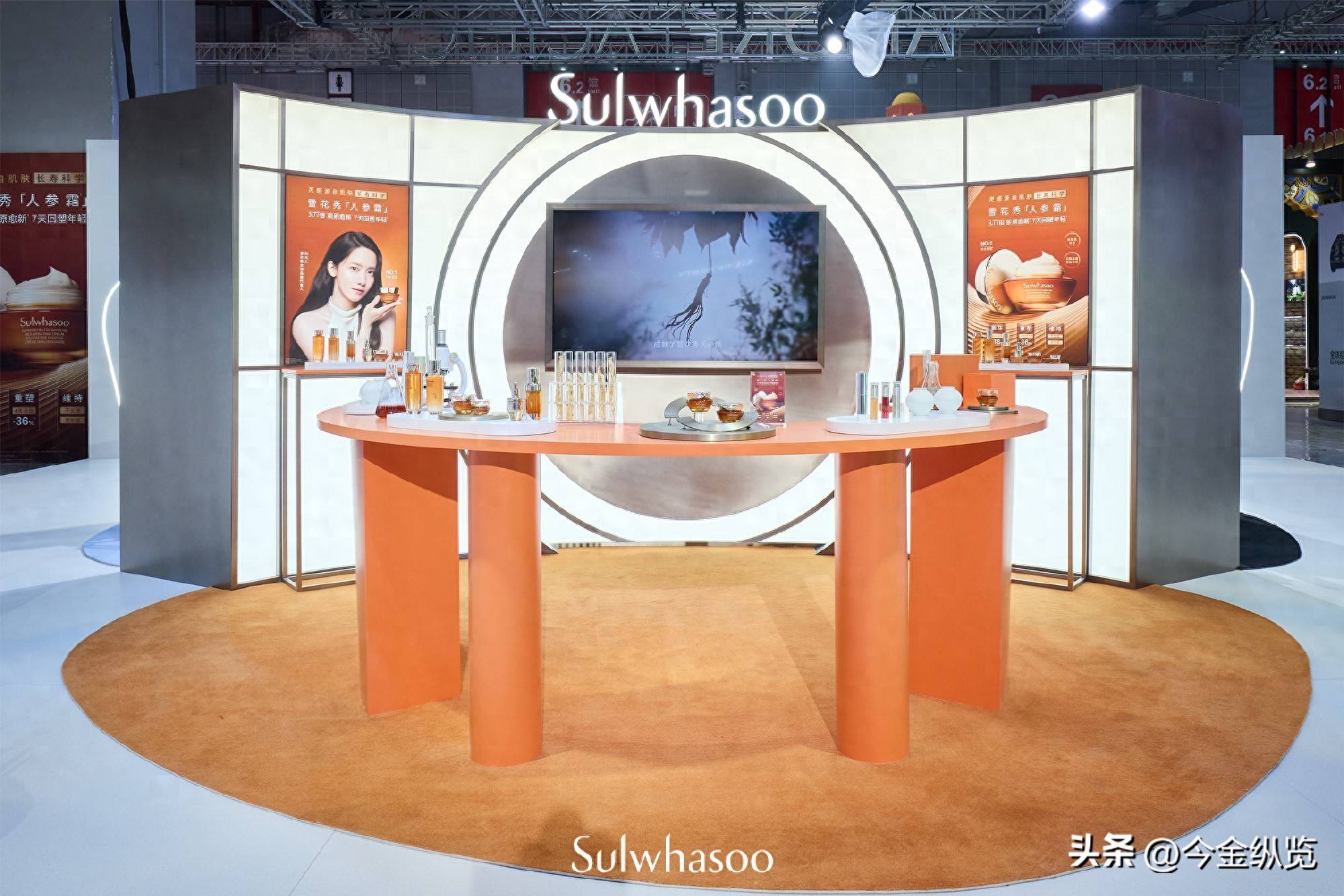
Core Viewpoint - The article discusses the decline of Korean cosmetics brands, particularly Sulwhasoo, in the Chinese market, highlighting the rise of domestic beauty brands and changing consumer preferences [1][9]. Group 1: Market Trends - Sulwhasoo plans to close approximately 30 stores in China, primarily in second-tier cities, reflecting a broader struggle for Korean cosmetics brands in the market [3][5]. - From 2022 to 2025, the share of Korean cosmetics in China's online sales is projected to drop from 69% to 23%, while the U.S. market share will increase to 51%, indicating a significant loss of popularity in China [10]. - In 2023, domestic beauty brands surpassed international brands in market share for the first time, with brands like Winona and Fulejia gaining traction due to better understanding of local consumer needs and competitive pricing [12]. Group 2: Consumer Behavior - There has been a shift in consumer purchasing behavior from valuing brand reputation and packaging to focusing on product ingredients and effectiveness [13]. - Consumers are increasingly scrutinizing product ingredient lists, leading to a preference for brands that provide clear information about their formulations and benefits [15]. Group 3: Channel Dynamics - The decline of foot traffic in traditional department stores has negatively impacted brands like Sulwhasoo that rely heavily on physical retail locations [7][19]. - Many leading domestic brands have over 90% of their sales coming from online channels, while Korean brands have been slow to adapt to this shift, missing out on the online sales boom [17][19]. Group 4: Innovation and Adaptation - Korean cosmetics brands are struggling with product innovation and are unable to keep pace with the rapid changes in consumer demand in China [21][23]. - Unlike international giants that invest in local R&D to cater to Chinese consumers, Korean brands like Amorepacific continue to rely on a one-size-fits-all approach, limiting their adaptability [23]. Group 5: Future Outlook - The ongoing store closures may signal a challenging future for Korean brands in China, as they must reconsider their strategies to remain relevant in a highly competitive market [25].

深度|中外品牌开卷“院线级”护肤,真相是什么?
FBeauty未来迹· 2025-09-18 14:01
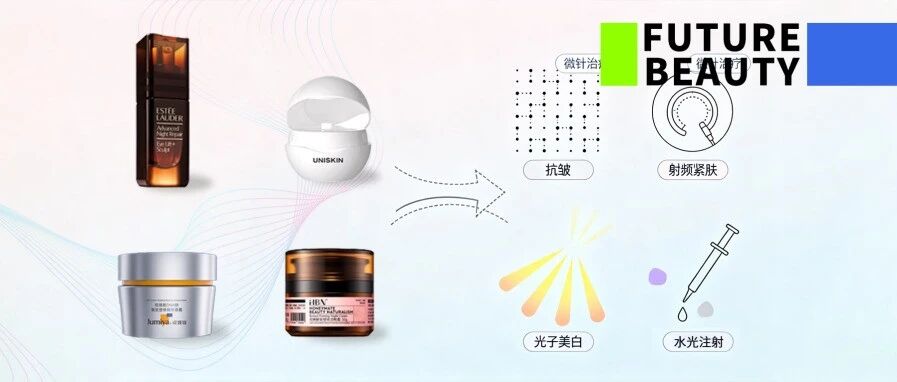
Core Viewpoint - The skincare industry is increasingly integrating with medical aesthetics, with products like eye creams and moisturizers claiming to deliver results comparable to professional treatments, offering consumers effective, convenient, and safe alternatives to invasive procedures [3][4][16]. Group 1: Industry Trends - Brands are collectively launching "clinic-level" skincare products, blurring the lines between home care and medical aesthetics, raising questions about the definition of "effective" skincare [4][16]. - The demand for "clinic-level" products is driven by consumers seeking high efficacy without the invasiveness and cost of medical procedures, reflecting a shift in consumer preferences towards more accessible skincare solutions [19][22]. Group 2: Technological Innovations - The industry is focusing on three main technological pathways: ingredient replication, transdermal technology, and efficacy validation to bridge the gap between professional medical aesthetics and daily skincare [5][11]. - Ingredient replication involves incorporating medical-grade ingredients into skincare products, such as PDRN, which traditionally required injection for effectiveness but is now being formulated for topical use [5][7]. - Transdermal technology advancements aim to enhance the absorption of active ingredients, allowing skincare products to penetrate deeper into the skin without invasive methods [9][11]. Group 3: Efficacy Validation - Brands are increasingly relying on robust efficacy data to support their claims, conducting human efficacy tests and correlating results with medical aesthetic procedures to build consumer trust [11][13]. - The lack of a unified efficacy validation system poses challenges, as current testing methods and metrics vary, making it difficult to compare results with established medical treatments [27][29]. Group 4: Market Dynamics - The light medical aesthetics market in China has seen a compound annual growth rate (CAGR) of over 20% from 2018 to 2023, with projections indicating it will exceed 250 billion RMB by 2025 [20]. - The integration of medical aesthetics and skincare is becoming a significant trend, with brands exploring collaborations and innovations that combine both fields to meet consumer demands for effective and safe skincare solutions [24][28]. Group 5: Consumer Behavior - Consumers are becoming more discerning, seeking scientific evidence and efficacy data behind claims of products that promise results similar to medical treatments, indicating a maturation of the market [26][29]. - The shift towards "clinic-level" skincare reflects a broader trend of consumers desiring effective, convenient, and safe alternatives to traditional medical aesthetics, creating a new ecosystem in the beauty industry [24][29].