
消费者购物观念转变

Search documents
雪花秀撤店潮席卷二线!韩妆告别中国,背后藏着惊人消费剧变!
Sou Hu Cai Jing· 2025-12-13 12:03
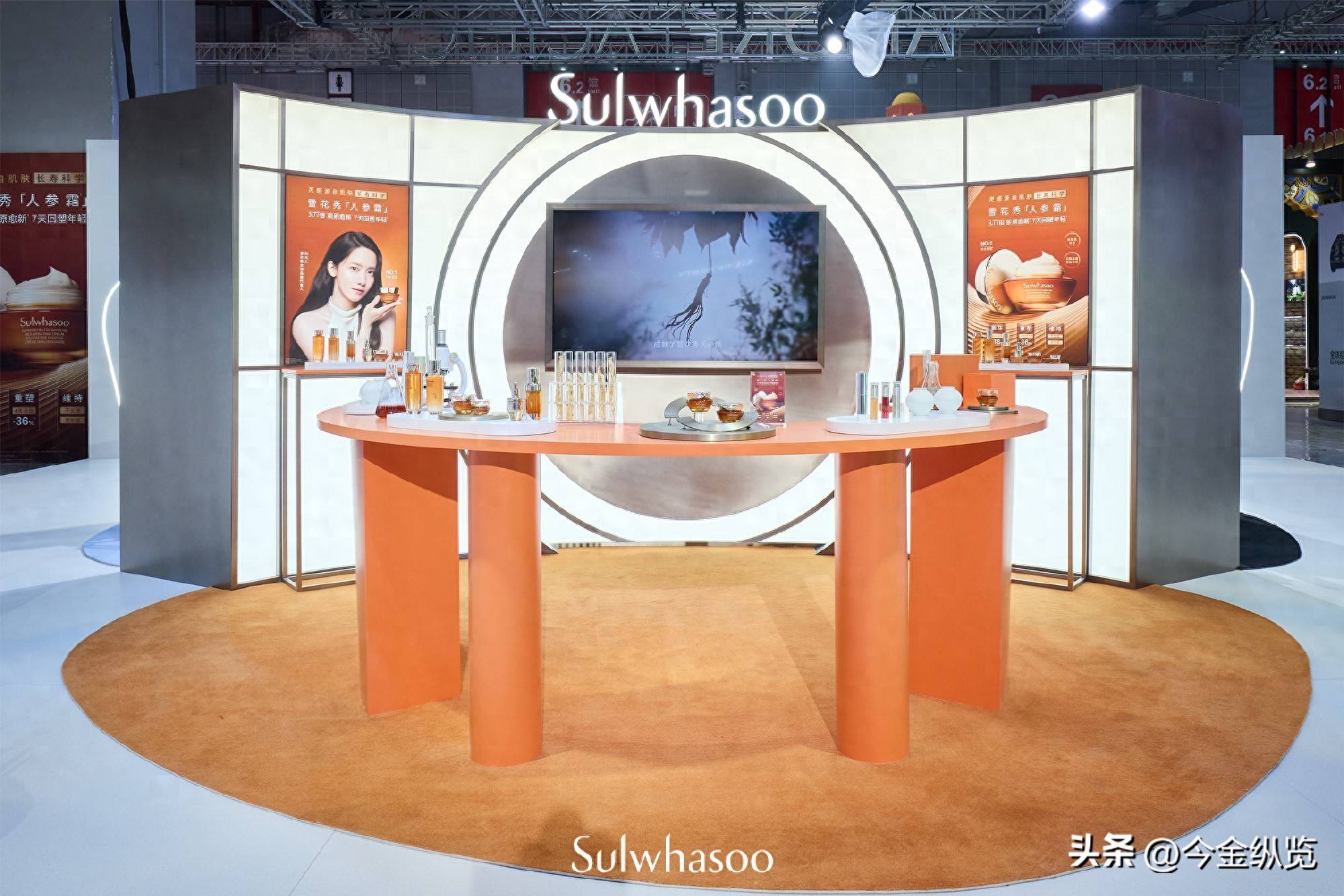
Core Viewpoint - The article discusses the decline of Korean cosmetics brands, particularly Sulwhasoo, in the Chinese market, highlighting the rise of domestic beauty brands and changing consumer preferences [1][9]. Group 1: Market Trends - Sulwhasoo plans to close approximately 30 stores in China, primarily in second-tier cities, reflecting a broader struggle for Korean cosmetics brands in the market [3][5]. - From 2022 to 2025, the share of Korean cosmetics in China's online sales is projected to drop from 69% to 23%, while the U.S. market share will increase to 51%, indicating a significant loss of popularity in China [10]. - In 2023, domestic beauty brands surpassed international brands in market share for the first time, with brands like Winona and Fulejia gaining traction due to better understanding of local consumer needs and competitive pricing [12]. Group 2: Consumer Behavior - There has been a shift in consumer purchasing behavior from valuing brand reputation and packaging to focusing on product ingredients and effectiveness [13]. - Consumers are increasingly scrutinizing product ingredient lists, leading to a preference for brands that provide clear information about their formulations and benefits [15]. Group 3: Channel Dynamics - The decline of foot traffic in traditional department stores has negatively impacted brands like Sulwhasoo that rely heavily on physical retail locations [7][19]. - Many leading domestic brands have over 90% of their sales coming from online channels, while Korean brands have been slow to adapt to this shift, missing out on the online sales boom [17][19]. Group 4: Innovation and Adaptation - Korean cosmetics brands are struggling with product innovation and are unable to keep pace with the rapid changes in consumer demand in China [21][23]. - Unlike international giants that invest in local R&D to cater to Chinese consumers, Korean brands like Amorepacific continue to rely on a one-size-fits-all approach, limiting their adaptability [23]. Group 5: Future Outlook - The ongoing store closures may signal a challenging future for Korean brands in China, as they must reconsider their strategies to remain relevant in a highly competitive market [25].

泰国消费者购物观念大转变
Shang Wu Bu Wang Zhan· 2025-07-03 18:08
Group 1 - The core viewpoint indicates a significant shift in Thai consumer shopping behavior, moving from a focus on "lowest price" to "trustworthy high value" products [1] - 64% of consumers prioritize product quality and merchant credibility over low prices, with over 70% seeking high value and emphasizing trust during the shopping process [1] - The shopping experience has evolved beyond price wars, with consumers considering all aspects from product selection to after-sales service to determine if they are getting value for money [1] Group 2 - Urban consumers are increasingly valuing speed in shopping, preferring "immediate possession" over waiting for discounts, prompting e-commerce platforms to enhance delivery efficiency and user experience [1] - Platforms like Shopee are adopting shopping philosophies that emphasize comprehensive value, speed, and guarantees, addressing consumer impatience [1] - The role of modern e-commerce platforms has shifted from mere transaction venues to trusted managers of consumer confidence, particularly through offerings like Shopee Mall which provides official brand selections and robust return policies [1] Group 3 - In the first half of 2025, Thai consumers are not only spending less but are also becoming more rational in their shopping habits, demanding higher transparency and service quality [2] - Consumers are more easily attracted to "more reliable choices," indicating a competitive landscape for e-commerce platforms and online sellers focused on service depth [2] - The competition will hinge on the ability to meet both rational and emotional consumer needs quickly, which is essential for building long-term loyalty [2]
