雪顶幽兰

Search documents
每月平均约40家首店落地!首发“引力场”引爆南京新消费
Sou Hu Cai Jing· 2025-12-01 02:43
Core Insights - The opening of the first store of Fei Dazhu Chili Stir-Fry in Nanjing on November 15 attracted massive crowds, leading to what has been termed a "phenomenal queue" [2] - Nanjing has become a focal point for the "first store" economy, with policies introduced in 2022 to promote this trend, resulting in the introduction of 276 first stores in the past seven months, averaging about 40 new stores per month [3][4] - The city has been recognized as a pilot city for new consumption models, receiving financial support from the central government due to its strong consumer base and innovative development [3] First Store Economy - The first store phenomenon is reshaping the commercial landscape in Nanjing, with a significant increase in foot traffic and consumer engagement [3][4] - The restaurant sector leads the first store introduction, accounting for 44.73% of new stores, while retail follows closely at 43.96%, together contributing to 88.7% of the market share [6] - The introduction of first stores has been linked to increased sales and customer flow in surrounding businesses, with some restaurants experiencing wait times of up to an hour [5][6] Cultural and Historical Integration - Historical districts like Mendo and Xinanli are becoming experimental grounds for first stores, blending cultural heritage with modern retail experiences [8][9] - The MINISO FRIENDS store in Mendo has attracted a young audience, showcasing a mix of cultural and creative products [7][8] - The integration of first stores into historical areas has revitalized these spaces, creating unique consumer experiences that combine shopping with cultural engagement [9][10] Innovation and Consumer Experience - The concept of "micro-innovation" is emphasized as a key driver for the success of first stores, allowing brands to differentiate themselves while minimizing risks [13][14] - Brands like Ma Wuwang are leveraging innovative strategies, including seasonal product iterations and collaborations with popular IPs, to maintain consumer interest and drive repeat purchases [15][16] - The focus on creating immersive and engaging shopping experiences is evident in the design and operation of new stores, which aim to enhance customer satisfaction and loyalty [12][19] Economic Impact and Future Outlook - Nanjing has attracted over 1,500 first stores, including global and Asian firsts, positioning itself as a leader in the first store economy [16][18] - The city's commercial landscape is evolving, with a mix of high-end and innovative retail options catering to diverse consumer preferences [16][18] - Upcoming projects, such as the Jinling Changlefang, aim to further enhance the cultural and commercial offerings in Nanjing, indicating a continued focus on integrating new retail concepts with local heritage [18][19]



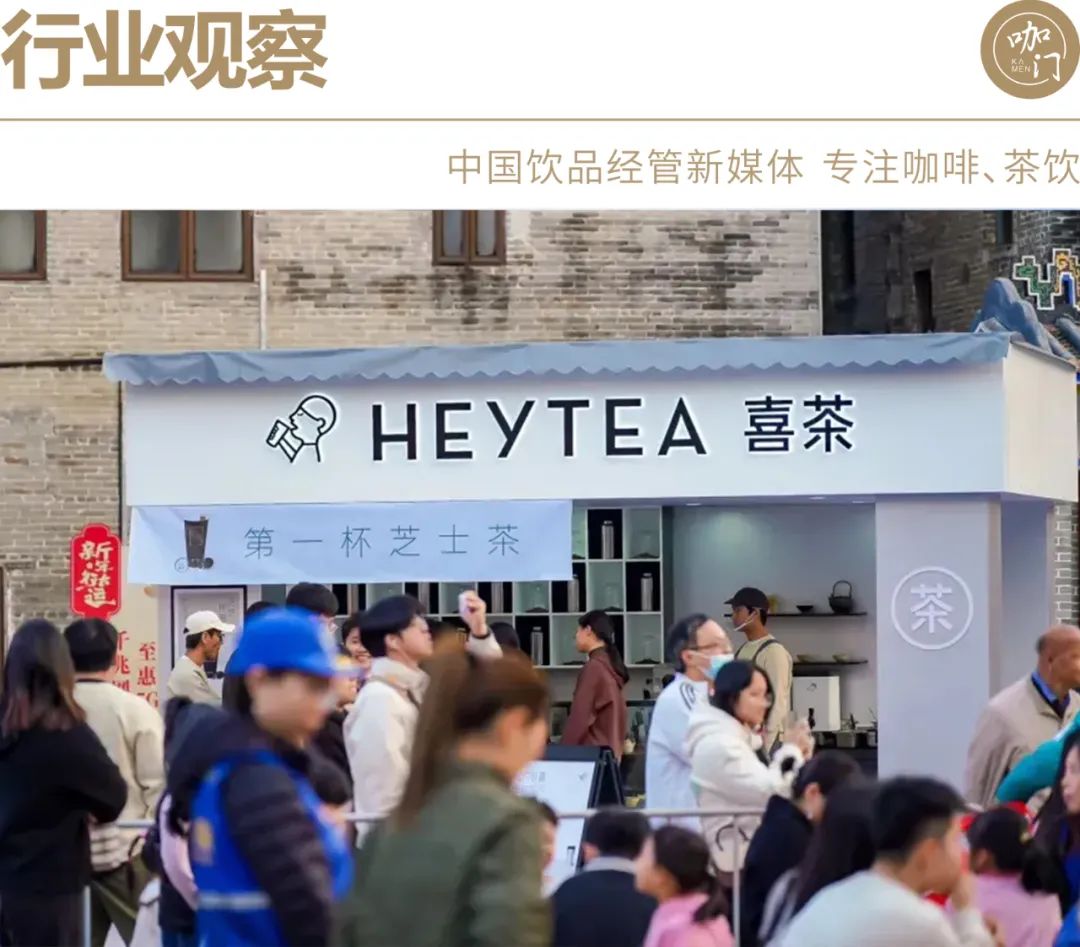
喜茶12分钟破千杯,去茶山排队6小时,“景点式门店”突然走红
3 6 Ke· 2025-05-10 04:45
Core Insights - The beverage industry is witnessing a trend where stores are transforming into "scenic spots," significantly enhancing customer engagement and revenue potential [3][26][30] Group 1: Revenue Performance - The "去茶山" store in Foshan achieved a peak daily sales volume of over 4000 cups, with customers waiting up to 6 hours [4][6] - The "喜茶" store in Jiangmen recorded over 1000 orders within the first 12 minutes of opening during peak times [9][11] - The "蜜雪冰城" flagship store in Zhengzhou reported daily revenues exceeding 200,000, with a three-day revenue surpassing 1 million [19][21] - The "幸运咖" flagship store achieved a single-day revenue of over 60,000 shortly after opening [25][23] Group 2: Store Design and Experience - The "去茶山" store features a calm design with glass walls and traditional tea utensils, making it a popular photo spot [4][6] - The "洪都大拇指" store in Nanchang incorporates local culture and offers a unique combination of tea and snacks, enhancing the customer experience [8][6] - The "茶百道" flagship store in Chengdu combines modern design with traditional elements, attracting both local and foreign visitors [12][14] - The "星巴克" roasting workshop in Shanghai is designed to showcase the coffee-making process, creating an immersive experience for customers [15][17] Group 3: Cultural Significance - Scenic stores are becoming cultural symbols, attracting visitors beyond local customers and creating a "destination" effect [26][30] - The success of these stores demonstrates the potential for beverage brands to integrate local culture into their offerings, enhancing brand loyalty and customer experience [30][28] - The trend reflects a broader retail strategy where experiential and cultural elements are prioritized to create memorable customer interactions [26][30]