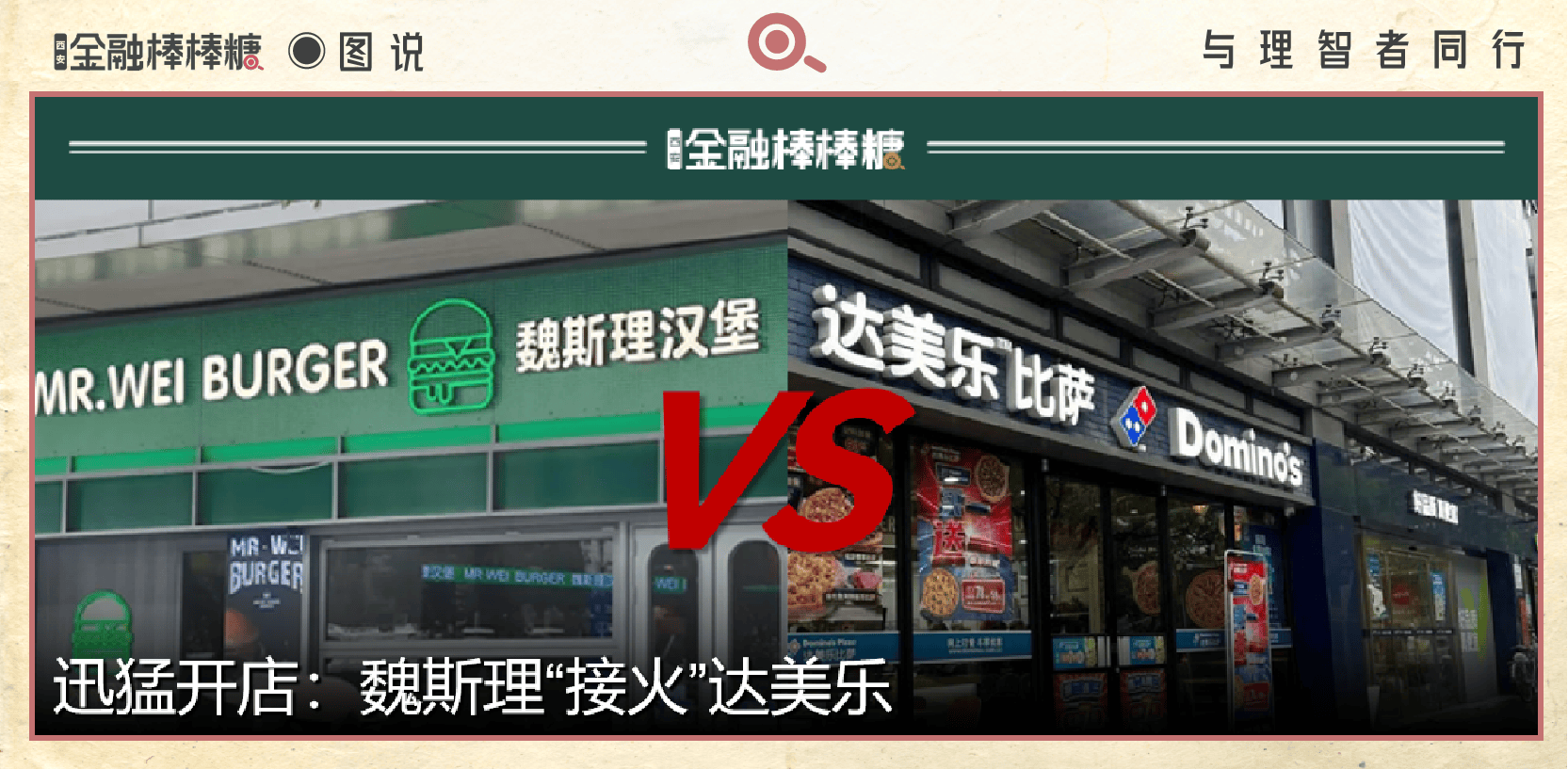
魏家凉皮

Search documents
夯爆了的西安“魏氏”,快把江浙沪打工人羡慕疯了
3 6 Ke· 2026-02-03 03:17
Core Insights - The "Wei Family" has evolved from a small cold noodle shop into a significant culinary presence in Xi'an, attracting long queues and a dedicated following among young people [1][20] - The recent opening of "Wei Century Bistro" has become a new sensation, with customers reportedly waiting up to 9 hours to be served, highlighting the brand's strong appeal and the phenomenon of "queue culture" [1][5] - The pricing strategy of Wei Family restaurants, such as offering cocktails at 22 yuan and burgers at 48 yuan, positions them as affordable alternatives in the bistro market, which typically commands higher prices in first-tier cities [7][10] Group 1 - The "Wei Family" has expanded its reach beyond Xi'an, opening locations in major cities like Shanghai, Nanjing, and Hangzhou, where it has sparked similar queue trends [4][25] - The bistro's menu includes a diverse range of offerings, from cocktails to local specialties like cold noodles and meat sandwiches, appealing to a wide audience [7][10] - The average spending at Wei Century Bistro is approximately 98 yuan per person, significantly lower than typical bistro prices in other cities, which often exceed 100 yuan [10][29] Group 2 - The Wei Family's business model emphasizes a high-quality supply chain, allowing for competitive pricing while maintaining product quality, which is crucial for customer retention [29][31] - The brand's expansion strategy includes a focus on direct ownership of its supply chain, ensuring cost control and product consistency across its various outlets [29][31] - The "Wei Family Universe" concept has gained traction, with various sub-brands catering to different dining preferences, effectively creating a comprehensive dining experience for consumers [20][24]

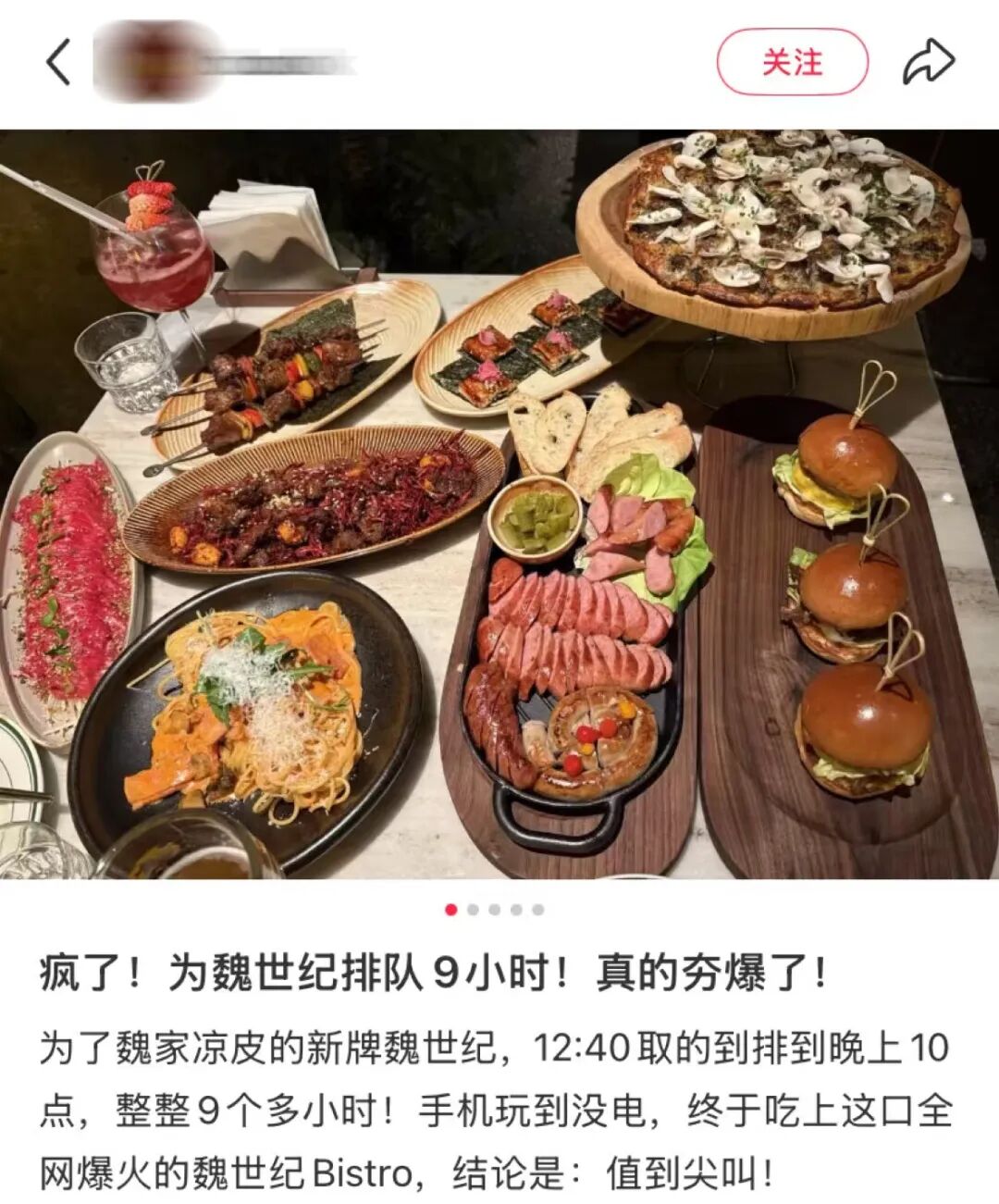
西安“凉皮大王”开酒馆,排队要12小时
3 6 Ke· 2026-01-21 01:38
Core Insights - The newly opened bistro, HeyWeGo•Bistro in Xi'an, has quickly gained popularity, attracting long queues of customers without extensive marketing efforts [1][2] - The restaurant's success reflects a broader revival of the "small bar" industry, with other brands like COMMUNE also showing growth [7][11] - The business model of combining dining and drinking is key to the success of these establishments, differentiating them from traditional bars [11][12] Company Overview - HeyWeGo•Bistro is part of the Wei Family Restaurant Group, which has expanded from a single凉皮 stall in 1999 to over 500 locations [5] - The bistro features a menu with approximately 90 SKUs, including 32 drink options and 56 food items, catering to both dining and drinking experiences [8][10] Market Trends - The bistro's average customer spending is around 80-100 yuan, making it relatively affordable within the small bar sector [5] - The revival of small bars is evidenced by the long wait times at HeyWeGo, with reports of customers waiting up to 12 hours [1][2] - The operational hours of HeyWeGo (11 AM to 2 AM) and COMMUNE (11 AM to 3 AM) allow for a wide range of dining and drinking experiences, enhancing customer retention [11] Competitive Landscape - Unlike traditional bars like Helen's, which are experiencing declining revenues, HeyWeGo and COMMUNE focus on a "dining + drinking" model that appeals to modern consumers [7][11] - Helen's reported a significant revenue drop of 34% year-on-year, highlighting the challenges faced by traditional bar models [7]
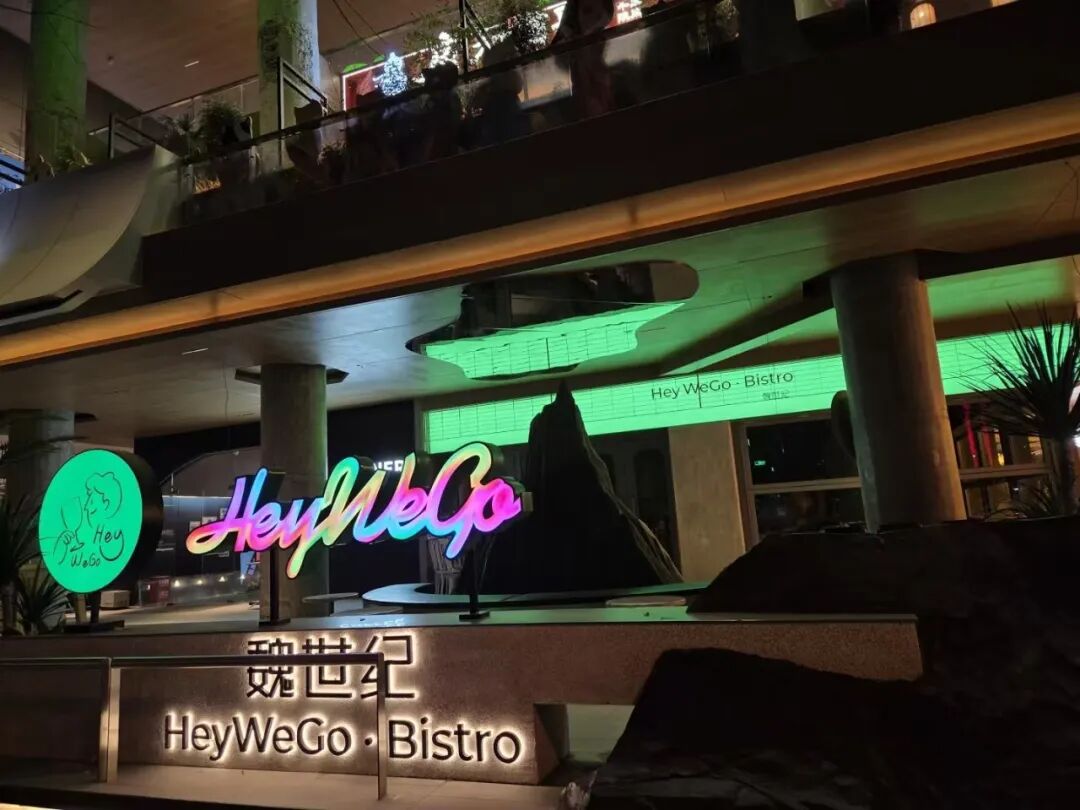
试水小酒馆 魏家凉皮再添“兄弟”品牌
Bei Jing Shang Bao· 2026-01-18 15:11
Core Viewpoint - Wei Family Catering Group is expanding its business model by launching a new bistro concept, HeyWeGo Bistro, in Xi'an, which combines dining and bar experiences while maintaining affordability, reflecting the company's commitment to meet the demands of younger consumers [1][3][4]. Group 1: Business Model and Offerings - HeyWeGo Bistro features a diverse menu including pizza, burgers, pasta, grilled items, desserts, and signature dishes like Wei's secret cold skin and meat sandwich, with a wide range of beverages including cocktails and non-alcoholic options [3][4]. - The average consumer spending at HeyWeGo Bistro is around 100 yuan, positioning it as a relatively affordable option within the bistro segment [3][6]. - The bistro's design incorporates modern aesthetics with vibrant lighting and industrial elements, catering to both solo drinkers and group diners [3][4]. Group 2: Market Trends and Consumer Demand - The emergence of HeyWeGo Bistro aligns with the growing popularity of bistro-style establishments among young consumers, who are increasingly seeking emotional value in their dining experiences [7][8]. - The bistro model is characterized by its "affordable intoxication and all-day socializing" appeal, which resonates well with the younger demographic [6][8]. - The overall market for bistros is expanding, with projections indicating that the number of bistro establishments in China will exceed 60,000 by March 2025, highlighting the competitive landscape [7]. Group 3: Strategic Considerations and Challenges - Wei Family Catering Group's strategy involves leveraging its central kitchen advantages for supply chain and cost control, while also focusing on maintaining a low price point to attract a broad consumer base [6][8]. - The company faces challenges such as high operational costs and the risk of market saturation, necessitating careful management of expansion and brand positioning [7][8]. - The success of HeyWeGo Bistro will depend on balancing quality and affordability, as well as navigating the complexities of the bistro market, which is marked by high competition and consumer expectations [8].
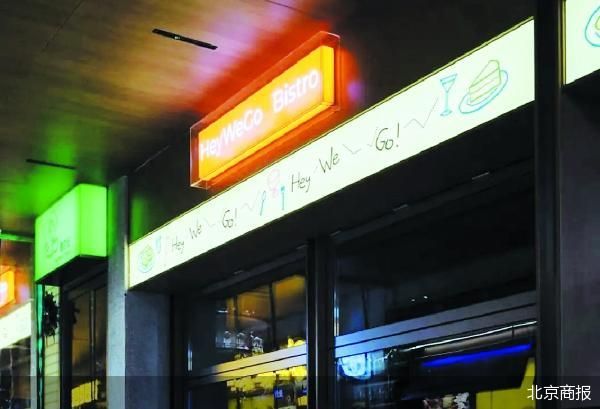
魏家凉皮再添“兄弟”品牌 餐饮品牌为何纷纷盯上“小酒馆”?
Bei Jing Shang Bao· 2026-01-18 11:19
Core Viewpoint - Wei Family Catering Group is exploring new business formats, launching HeyWeGo•Bistro in Xi'an, which combines dining and bar experiences, reflecting the company's commitment to meet the preferences of younger consumers [1][3]. Group 1: Business Strategy and Market Positioning - The new bistro format aims to break the traditional boundaries between dining and bars, featuring a vibrant atmosphere with diverse seating arrangements and a menu that includes pizzas, burgers, and local specialties like "Wei Family Secret Cold Noodles" [3][9]. - The average consumer spending at Wei Century is around 100 yuan, positioning it as a relatively affordable option within the bistro segment [3][9]. - The launch has generated significant consumer interest, with reports of long wait times and the emergence of secondary markets for queue spots, indicating strong demand [3][9]. Group 2: Industry Trends and Competitive Landscape - The bistro format has gained popularity in recent years, with various brands entering the market, including traditional and new players, highlighting a trend towards casual dining and social drinking [9][10]. - The industry is witnessing a surge in the number of bistro establishments, with projections indicating that the total number of taverns in China will exceed 60,000 by March 2025, presenting both opportunities and challenges for new entrants like Wei Family Catering Group [11][12]. Group 3: Operational Challenges and Future Outlook - Despite the initial success, the bistro format faces challenges such as high operational costs and the risk of rapid market saturation, necessitating careful management and strategic expansion [11][12]. - The company must focus on maintaining cost efficiency and product quality while navigating the competitive landscape, ensuring that the bistro concept does not become a fleeting trend [12][11].
魏家餐饮公告澄清假冒门店
Cai Jing Wang· 2026-01-13 05:26
Core Viewpoint - The company issued a clarification regarding the emergence of counterfeit stores using its brands "Wei Jia Liang Pi" and "Wei Si Li Hamburger," which mislead consumers and violate the company's brand rights [1] Group 1: Announcement Details - The announcement was made on January 12, highlighting the illegal use of the company's brands in various locations [1] - Specific addresses of the counterfeit stores were listed, including multiple locations in Xi'an and Taiyuan [1] Group 2: Legal and Market Implications - The company stated that these counterfeit operations not only mislead consumers and business partners but also disrupt the market environment and disregard legal boundaries [1] - The company plans to actively contact relevant authorities and pursue legal action to address the issue and protect its brand integrity [1]
魏家凉皮跨界“开酒馆”:排队9小时,开业即登热门榜Top1!
3 6 Ke· 2026-01-04 00:44
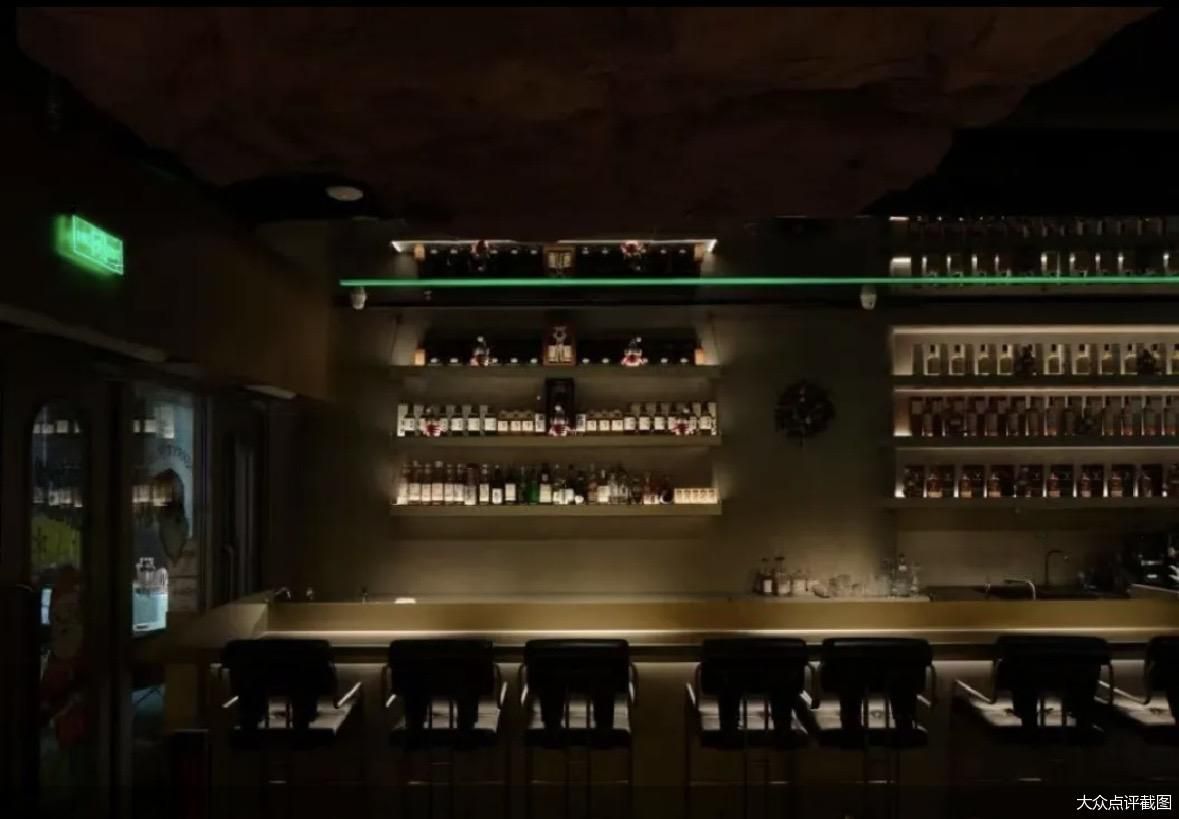
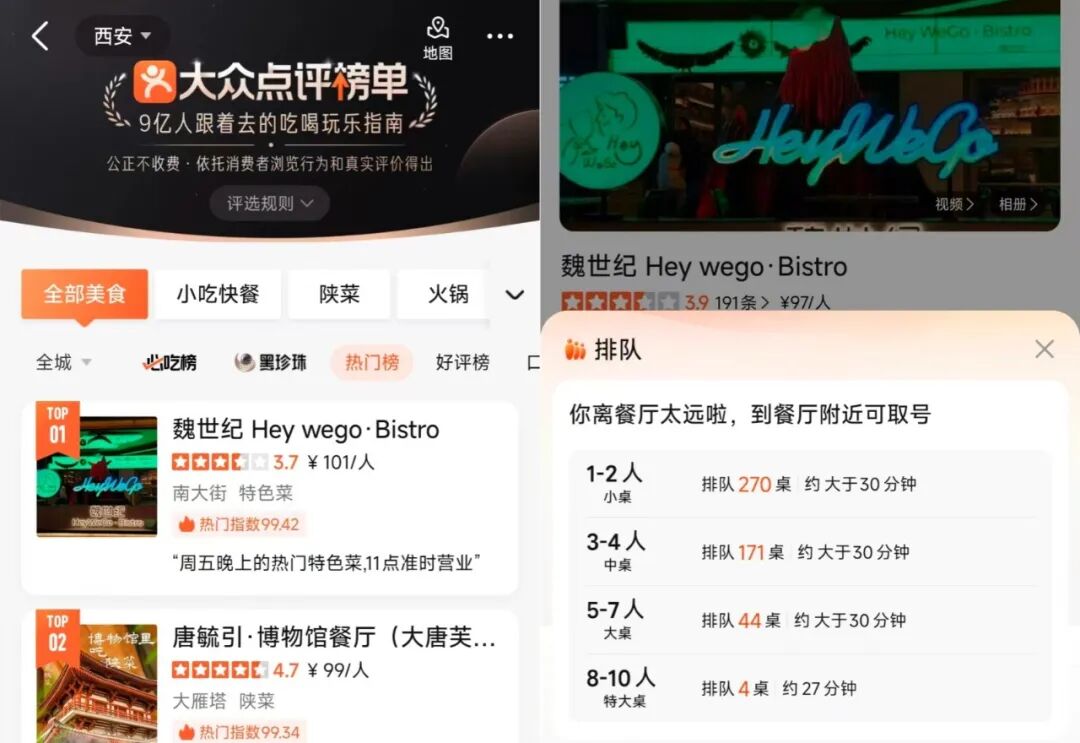
Core Insights - Wei Family Catering has successfully launched its music bar "Wei Century Bistro" in Xi'an, quickly becoming the top-rated restaurant on popular review platform Dianping [2][3] - The establishment has generated significant buzz on social media, with reports of long wait times and even a "scalper" service for queueing [2][3] Group 1: Business Strategy - Wei Family Catering has a history of successful cross-industry ventures, transitioning from cold noodles to convenience stores, coffee shops, and now a bar, consistently attracting attention and long queues [6][19] - The brand's naming strategy leverages puns and wordplay, enhancing memorability and generating pre-launch market interest [8][11] - The company focuses on high cost-performance ratios, offering quality products at reasonable prices, which has become a core competitive advantage [12][14] Group 2: Customer Engagement - The bistro's ambiance features neon lights and industrial design, catering to various social scenarios such as solo drinking, couple dates, and group gatherings [3] - The menu includes around 80 SKUs, featuring a wide range of alcoholic and non-alcoholic beverages, as well as classic dishes from Wei Family's previous offerings, all at competitive prices [4][12] - The brand has successfully created a comprehensive lifestyle matrix for young consumers, covering various needs from breakfast to nightlife [16][17] Group 3: Market Positioning - Wei Family Catering is perceived as a brand that resonates with young consumers who seek quality experiences at affordable prices, often referred to as "the happy home for workers" and "a go-to for students" [20][22] - The company's ability to maintain consistent quality and value across different offerings has established a strong trust among its customer base, facilitating rapid market penetration for new ventures [22]
每月平均约40家首店落地!首发“引力场”引爆南京新消费
Sou Hu Cai Jing· 2025-12-01 02:43
Core Insights - The opening of the first store of Fei Dazhu Chili Stir-Fry in Nanjing on November 15 attracted massive crowds, leading to what has been termed a "phenomenal queue" [2] - Nanjing has become a focal point for the "first store" economy, with policies introduced in 2022 to promote this trend, resulting in the introduction of 276 first stores in the past seven months, averaging about 40 new stores per month [3][4] - The city has been recognized as a pilot city for new consumption models, receiving financial support from the central government due to its strong consumer base and innovative development [3] First Store Economy - The first store phenomenon is reshaping the commercial landscape in Nanjing, with a significant increase in foot traffic and consumer engagement [3][4] - The restaurant sector leads the first store introduction, accounting for 44.73% of new stores, while retail follows closely at 43.96%, together contributing to 88.7% of the market share [6] - The introduction of first stores has been linked to increased sales and customer flow in surrounding businesses, with some restaurants experiencing wait times of up to an hour [5][6] Cultural and Historical Integration - Historical districts like Mendo and Xinanli are becoming experimental grounds for first stores, blending cultural heritage with modern retail experiences [8][9] - The MINISO FRIENDS store in Mendo has attracted a young audience, showcasing a mix of cultural and creative products [7][8] - The integration of first stores into historical areas has revitalized these spaces, creating unique consumer experiences that combine shopping with cultural engagement [9][10] Innovation and Consumer Experience - The concept of "micro-innovation" is emphasized as a key driver for the success of first stores, allowing brands to differentiate themselves while minimizing risks [13][14] - Brands like Ma Wuwang are leveraging innovative strategies, including seasonal product iterations and collaborations with popular IPs, to maintain consumer interest and drive repeat purchases [15][16] - The focus on creating immersive and engaging shopping experiences is evident in the design and operation of new stores, which aim to enhance customer satisfaction and loyalty [12][19] Economic Impact and Future Outlook - Nanjing has attracted over 1,500 first stores, including global and Asian firsts, positioning itself as a leader in the first store economy [16][18] - The city's commercial landscape is evolving, with a mix of high-end and innovative retail options catering to diverse consumer preferences [16][18] - Upcoming projects, such as the Jinling Changlefang, aim to further enhance the cultural and commercial offerings in Nanjing, indicating a continued focus on integrating new retail concepts with local heritage [18][19]


排不上队的魏家凉皮,背后竟是一家餐饮帝国
36氪· 2025-11-01 13:35
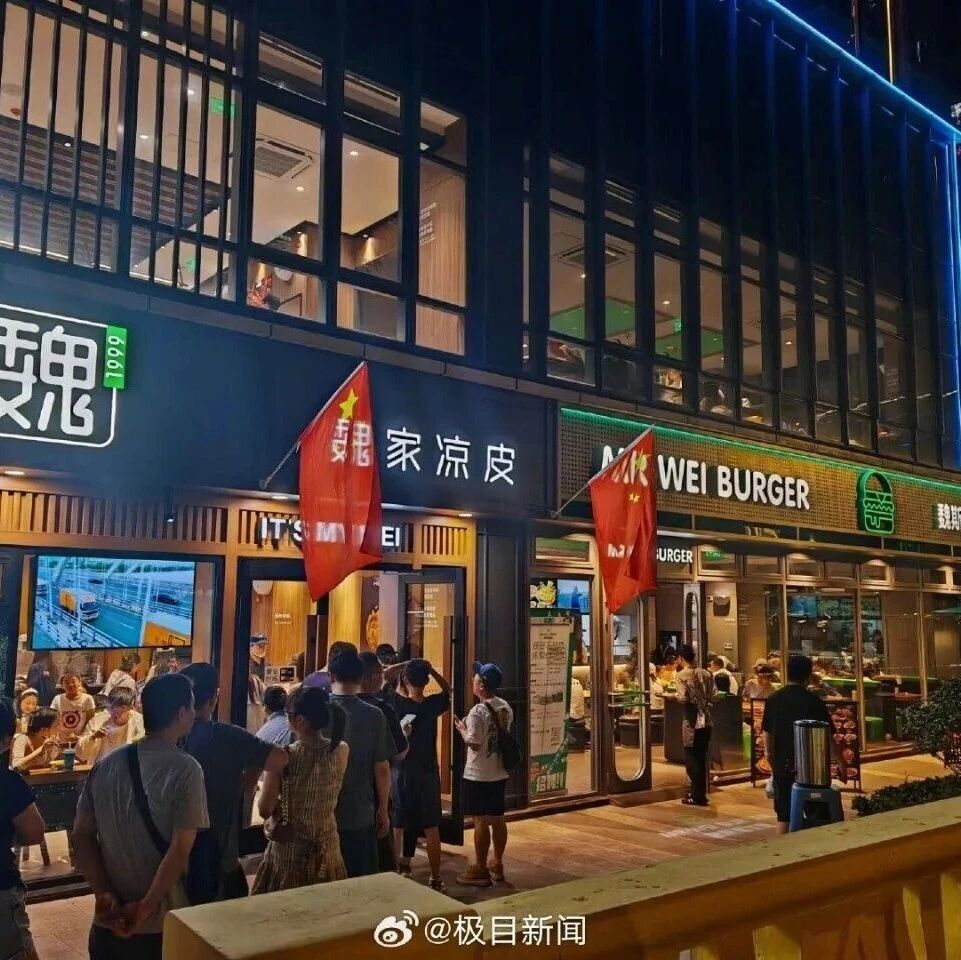
Core Viewpoint - The article discusses the rapid rise of Wei's family brands, particularly Wei's Liangpi and Wei's Li Burger, highlighting their popularity and the company's unique business model that combines high quality with competitive pricing [4][10][25]. Group 1: Brand Popularity and Consumer Engagement - Wei's Liangpi and Wei's Li Burger have become extremely popular, with long queues reported at their locations in cities like Shanghai and Nanjing [4][5]. - The company has successfully engaged consumers through social media, where fans express desires for expansion into new regions and suggest new brand ideas [8][24]. - Wei's family brands are perceived as a "heartthrob" among young consumers, indicating a strong emotional connection and brand loyalty [8][25]. Group 2: Business Model and Expansion Strategy - Wei's family operates under a "fully direct-operated" model, which is relatively rare in the fast-food industry, allowing for better control over brand quality and supply chain [18][27]. - The company has a diverse portfolio, including various food brands and even ventures into healthcare and hospitality, showcasing its ambition to become a multi-brand platform [8][24]. - Wei's family has plans for further expansion, focusing first on major cities before branching out to surrounding areas, with a central kitchen in Jinan to support this growth [21][27]. Group 3: Competitive Landscape - Wei's Li Burger is positioned as a value-for-money alternative to established fast-food giants like McDonald's and KFC, appealing to consumers seeking quality at reasonable prices [12][13]. - The article notes a general slowdown in growth for many established fast-food brands, contrasting this with the rising popularity of Wei's family brands [14][15]. - Wei's family brands are seen as filling a gap in the market for high-quality, affordable dining options, which is increasingly sought after by consumers [13][25]. Group 4: Consumer Expectations and Challenges - High consumer expectations have emerged due to the brands' popularity, with some customers expressing dissatisfaction over recent changes in product offerings [27]. - The company faces challenges related to maintaining quality while expanding, as any perceived decline in standards could lead to customer backlash [27]. - The article emphasizes the importance of sustaining quality and brand integrity as Wei's family continues to grow, suggesting that missteps could jeopardize their current success [27].
排不上队的魏家凉皮,背后竟是一家餐饮帝国
36氪未来消费· 2025-10-31 13:16
Core Viewpoint - Wei Family Restaurant has become a popular brand among young consumers, with its flagship products, Wei Family Liangpi and Wei Sili Hamburger, experiencing significant demand and long queues at their locations [4][5][20]. Group 1: Brand Popularity and Expansion - Wei Family Liangpi and Wei Sili Hamburger are part of the Wei Family Restaurant, which has expanded its brand portfolio to include various dining options and even ventured into other sectors like traditional medicine and hospitality [4][12]. - The brand's popularity is evident in cities like Shanghai, Nanjing, and Hangzhou, where consumers are drawn to the long queues and high demand for its products [3][4]. - The company has a strong social media presence, with consumers actively requesting the brand to expand to their cities, indicating a high level of consumer interest and engagement [4][20]. Group 2: Competitive Positioning - Wei Sili Hamburger is recognized for its value for money, with menu items priced competitively compared to established fast-food chains like McDonald's and KFC, yet offering a more appealing product presentation [5][7]. - The brand's focus on quality and presentation has led to high customer satisfaction ratings, with many locations maintaining scores above 4.0 on review platforms [7][10]. - Wei Sili's business model is compared to that of Shake Shack, positioning itself as a more affordable alternative while maintaining high product quality [8][10]. Group 3: Operational Strategy - The company employs a fully-owned direct operation model, avoiding franchise risks and maintaining control over brand quality and customer experience [13][16]. - Wei Family Restaurant has invested in a centralized kitchen model to ensure consistent product quality across its locations, which is crucial for its expansion strategy [12][17]. - The company is cautious in its expansion, focusing on major cities first and ensuring that new locations are well-established before further growth [17][23]. Group 4: Consumer Expectations and Challenges - As the brand gains popularity, consumer expectations have risen, leading to feedback regarding service issues such as long wait times and product consistency [21][23]. - The company faces challenges related to historical franchise issues, with many consumers confused about the authenticity of various locations [16][18]. - Maintaining product quality while expanding is critical, as any perceived decline in quality could lead to customer dissatisfaction and damage the brand's reputation [21][23].

“再平衡”信号:谁是下一个魏家?
Sou Hu Cai Jing· 2025-09-17 10:12
Core Viewpoint - The exit of Wei Family Restaurant Group from the Ele.me platform signals a significant shift in the platform economy, as it emphasizes a focus on physical store expansion while other major players like Haidilao and Xiaocaiyuan continue to invest in delivery services [1][7]. Company Summary - Wei Family has confirmed its withdrawal from the Ele.me platform, stating that it may return in the future but has not set a specific timeline [1]. - The company is experiencing high customer traffic, with occupancy rates around 70% in various locations, indicating strong demand for its offerings [3]. - Wei Family's pricing strategy remains competitive, with menu items priced affordably even in high-cost cities like Shanghai, where the average rent is significantly higher than in other cities [5]. - The company has successfully opened new locations in major cities, with initial customer responses showing long wait times and high demand [6]. Industry Summary - The overall restaurant industry is facing challenges, with several listed companies reporting losses or declining revenues. For instance, three out of twelve companies reported losses in the first half of the year [7]. - Companies like Haidilao and Xiaocaiyuan are increasingly relying on delivery services, with Haidilao's delivery revenue growing nearly 60% in the first half of the year [11]. - The competitive landscape is intensifying, with large restaurant chains leveraging their bargaining power to minimize delivery platform fees, thus maintaining profitability [14]. - The shift towards online delivery services is becoming a critical growth avenue for both struggling and profitable companies, contrasting with the challenges faced by smaller restaurants [10][23].