
霹雳舞

Search documents
17岁霹雳舞世界冠军在春晚领舞,她的故事值得一读
Xin Lang Cai Jing· 2026-02-25 00:30
Core Viewpoint - The article highlights the remarkable journey of Guo Pu, a 17-year-old street dancer who won China's first gold medal in breakdancing at the World Championships, showcasing her talent on the prestigious Spring Festival Gala stage for the first time [1][10]. Group 1: Background and Early Achievements - Guo Pu was born in 2008 in Shandong and began her artistic journey with various classes, including piano and traditional dance [2]. - At the age of 7, she was discovered by a local breakdancing coach, who recognized her talent and dedication [3]. - Guo Pu's early training involved rigorous practice, where she would repeatedly perfect her moves, demonstrating her commitment to the craft [5]. Group 2: Competitive Milestones - In 2021, Guo Pu participated in the National Games, finishing sixth in the women's category, making her the youngest competitor [7]. - She joined the national team and reached the top 32 in the Seoul World Championships in 2022, further establishing her presence in the competitive scene [7]. - In 2023, she won the national student games in breakdancing, marking a significant achievement in her young career [7]. Group 3: Breakthrough and Recognition - Guo Pu's breakthrough year was 2025, where she won multiple competitions, including the Asian Championships and the World Championships in Fukuoka, Japan, where she defeated three Japanese competitors [10][12]. - Her victory at the World Championships was historic, as it marked the first gold medal for China in this event, breaking the previous record of no golds [10][12]. Group 4: Cultural Integration and Future Aspirations - Guo Pu aims to integrate traditional Chinese culture into her breakdancing, incorporating elements from Tai Chi and Peking Opera into her performances [15]. - She expresses a strong desire to promote breakdancing culture and aims to represent her country on larger international stages, with a focus on the upcoming Asian Games [18].

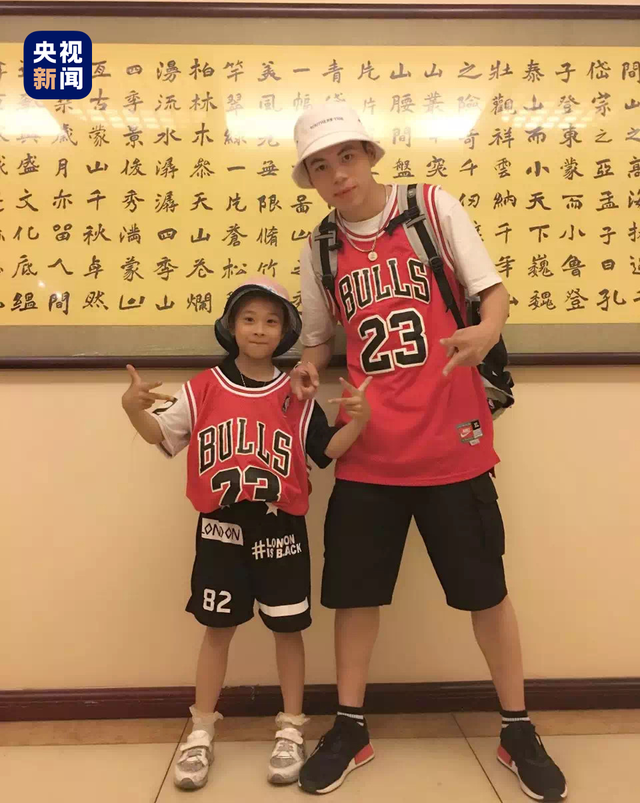
十五运会霹雳舞冠军刘清漪 舞出最真实的自己
He Nan Ri Bao· 2025-12-09 23:49
Core Viewpoint - Liu Qingyi, a prominent breakdancer, has successfully defended her title at the 15th National Games, showcasing her skills and determination in the sport [3][4]. Group 1: Achievements and Competitions - Liu Qingyi won the gold medal in breakdancing at the 15th National Games, marking her second consecutive championship [3][4]. - She previously earned a bronze medal in breakdancing at the 2024 Olympics, gaining significant attention for her performance [5]. - Liu Qingyi's journey from local dance studios in Henan to national and international stages highlights her growth and dedication to the sport [3][6]. Group 2: Training and Challenges - The preparation for the National Games was challenging, with Liu facing physical injuries and the need to regain her competitive form after the Olympics [3][4]. - Liu emphasized the unique challenges of breakdancing, including the need for frequent competitions and the mental pressure associated with the sport [5][6]. - Her training regimen is rigorous, involving complex moves that require significant physical effort and skill [6]. Group 3: Personal Insights and Philosophy - Liu Qingyi expresses a strong commitment to maintaining her passion for dance and staying true to her artistic vision [7]. - She encourages young dancers to not only practice but also to understand the culture of breakdancing to sustain their passion [7]. - Liu values the connections she makes with other athletes, sharing experiences and challenges, which enriches her journey in sports [7].
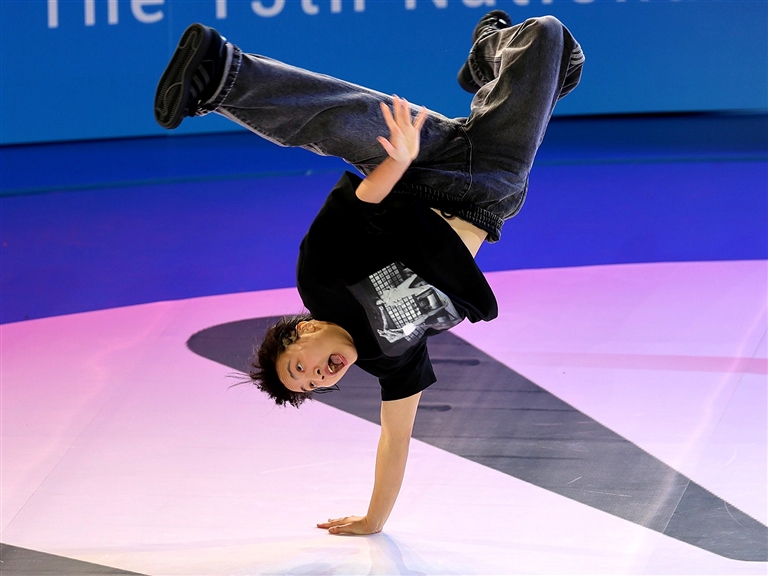
全运会霹雳舞项目收官 新秀辈出已成林
Zhong Guo Xin Wen Wang· 2025-11-20 01:01
Group 1 - The 15th National Games concluded the breaking dance event, showcasing young talents with two 20-year-old athletes winning gold medals in men's and women's categories [1][3] - Hubei team athlete Wang Ruimiao won the men's gold medal with powerful and complex movements, defeating Jiangsu's Qi Xiangyu, who is also a Paris Olympic competitor [1][3] - In the women's final, Olympic bronze medalist Liu Qingyi from Henan secured victory through a blend of martial arts elements and tactical precision [1][3] Group 2 - The event featured 34 high-level breaking dance athletes, with many incorporating martial arts into their routines, reflecting the localization of Chinese breaking culture [3][4] - The rapid development of the street dance industry in China is evident, with over 10,000 street dance training institutions and more than 10 million participants annually [3][4] - The success of Liu Qingyi at the Paris Olympics has energized the industry, prompting the establishment of a comprehensive development system for breaking dance [4][5] Group 3 - Educational institutions like Beijing Sport University are establishing breaking dance programs, creating a pathway from social selection to higher education [5] - Street dance events are proliferating, with initiatives like the "RealLife Street Dance Cultural Festival" in Guangzhou integrating sports, tourism, and commerce [5] - Despite government support for many street dance events, achieving profitability remains a challenge, necessitating a return to grassroots participation and youth training [5][6] Group 4 - The absence of breaking dance from the 2028 Los Angeles Olympics is countered by the increasing number of high-level competitions such as the World Games and Asian Games, providing more opportunities for Chinese athletes [5][6] - A new generation of talented breaking dancers is emerging in mainland China, with expectations that the country's male dancers will soon reach world-class levels [5][6]
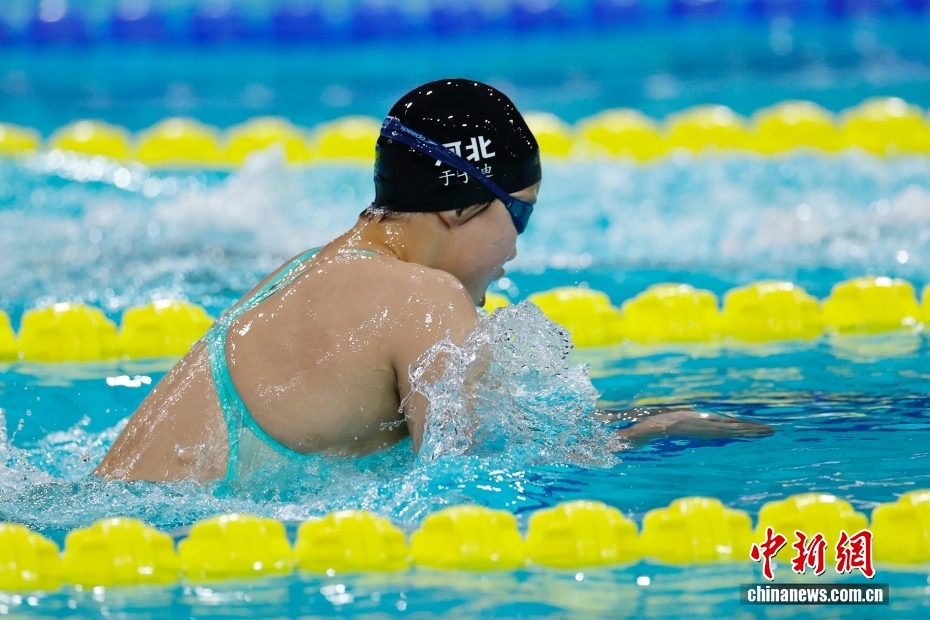
中新网评:“阿尔法世代”翻开中国体育新篇章
Zhong Guo Xin Wen Wang· 2025-11-13 06:36
Core Viewpoint - The emergence of the "Alpha Generation" in Chinese sports is marked by young athletes like Yu Zidi, who set an Asian record in the women's 200m individual medley at just 13 years old, symbolizing a new chapter in China's athletic landscape [1][2]. Group 1: Young Athletes' Achievements - Yu Zidi became the fastest 13-year-old in history for the women's 200m individual medley with a time of 2:10.63 at the National Championships [2]. - At the Singapore World Championships, Yu Zidi became the youngest medalist in international swimming competitions in 89 years, showcasing her rapid rise to prominence [2]. - Other young athletes, such as 13-year-old Zou Mingke and 12-year-old Meng Lingyan, competed fiercely in the skateboarding events, highlighting the competitive spirit of the "Alpha Generation" [3]. Group 2: Significance of the Event - The current National Games serve as a significant platform for the "Alpha Generation," with many athletes under 12 years old participating, indicating a shift towards younger competitors in Chinese sports [2]. - The presence of young athletes in various sports, including skateboarding and diving, emphasizes the potential and future of Chinese sports, as they bring energy and creativity to the competitions [4][8]. - The performances of these young athletes reflect a new wave of talent in Chinese sports, with their aspirations to reach international stages, as expressed by athletes like Li Ruixi [6].
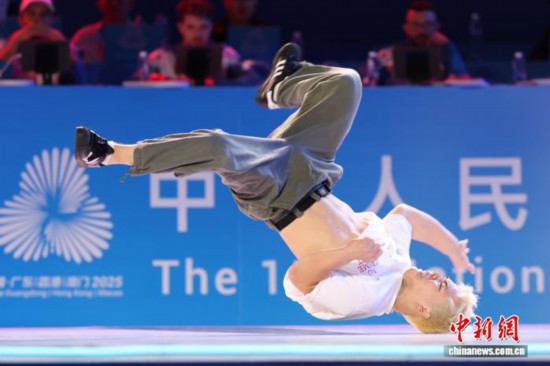
十五运会霹雳舞测试赛于8月26日开赛
Zhong Guo Xin Wen Wang· 2025-08-26 01:12
Core Points - The 2025 China Guangzhou Street Dance Open and the 15th National Games B-boy test event will take place on August 26 at the Guangzhou Sports Academy [1] - The test event features two categories: men's individual and women's individual, with a total of 37 athletes participating, including 20 men and 17 women from various cities [1] - The competition follows a round-robin format, where teams will battle against each other, and the champion will be determined based on points [1] Industry Insights - B-boying represents vitality, trendiness, and individuality, originating from the streets and promoting inclusivity in sports [1] - As a youthful and international medium, B-boying has successfully blurred the lines between sports and art, showcasing a new urban culture [1] - The global popularity of B-boying is on the rise, especially after its inclusion in the 2024 Paris Olympics and the 19th Asian Games in Hangzhou [1] - The sport demands high levels of explosive power, flexibility, endurance, and coordination from its athletes, evolving into a high-intensity competitive activity [2] - A scoring system for the test event has been established based on five dimensions: technicality, diversity, completeness, musicality, and creativity [2]
世运赛场 河南力量
He Nan Ri Bao· 2025-08-19 23:35
Group 1 - The 12th World Games concluded on August 17 in Chengdu, with the Chinese sports delegation achieving remarkable success, winning a total of 36 gold medals, 17 silver medals, and 11 bronze medals, leading in both gold and total medal counts [2] - Liu Qingyi, a prominent figure in Chinese breakdancing, won a silver medal in the women's breakdancing event, showcasing her skills against strong competition, including her teammate Guo Pu, who won gold [3][6] - Wang Chenyi from Henan won a gold medal in the women's individual continuous throw event in boules, marking the 34th gold medal for the Chinese delegation at the World Games [11][14] Group 2 - Liu Qingyi expressed satisfaction with her performance despite not winning gold, highlighting the significance of having two Chinese athletes in the finals as a historic breakthrough for the sport [10] - Wang Chenyi's journey in boules reflects the development of the sport in Henan, with her coach emphasizing the province's strong training programs and achievements in the sport [16] - Liu Shasha secured a bronze medal in women's artistic billiards, sharing her experiences and encouraging young female players to pursue their dreams in the sport [17][20]
成都世运会|闲记:不“新”也不“旧”,霹雳舞尴尬了吗?
Xin Hua Wang· 2025-08-19 01:03
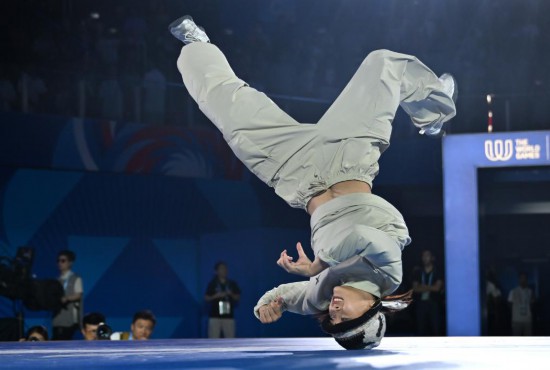
Core Insights - The article discusses the evolution of breakdancing as a competitive sport, highlighting its transition from a new and exciting Olympic event to a more established and routine competition [1][5][9] Group 1: Event Overview - The Chengdu World Games featured breakdancing, where Chinese athlete Guo Pu won the gold medal, defeating teammate Liu Qingyi [3] - Breakdancing's identity has shifted; it is no longer perceived as a new sport but rather as an established one, losing some of its novelty [5][6] Group 2: Professionalization and Training - The influence of the Olympics has led to clearer rules, more professional training, and a complete development pathway for breakdancers, moving away from its street origins [5][6] - Athletes are now experiencing accelerated growth due to increased opportunities in various competitions, including the Asian Championships and World Championships [5] Group 3: Changes in Performance and Expression - As breakdancing becomes more routine, the spontaneous and street-like expression has been somewhat diluted, leading to a focus on competitive performance [6][8] - Athletes reported feeling less pressure and more relaxed during the Chengdu World Games, which allowed for a more enjoyable performance experience [6][8] Group 4: Future Directions and Innovations - The World Dance Sport Federation (WDSF) is open to experimenting with new formats, such as team competitions and mixed-gender events, to keep the sport engaging [8] - Athletes expressed interest in exploring different competition formats that could attract more spectators and maintain the sport's vitality [8][9]
中国体育代表团创参加世运会历史最好成绩
Xin Hua She· 2025-08-18 02:26
Core Insights - The 12th World Games concluded in Chengdu, marking the first time the event was held in mainland China, with the Chinese sports delegation achieving a historic performance by winning a total of 64 medals, including 36 gold, 17 silver, and 11 bronze, thus ranking first in both gold and overall medal counts [1][2] Group 1: Performance Highlights - The Chinese sports delegation won gold medals in 18 events, increasing the number of events in which they secured gold from 14 to 23 [1] - Notable achievements included world records set in women's speed relay in rock climbing and women's 4×50 meter relay in underwater swimming, along with five events where Chinese athletes claimed both gold and silver [1] - In the disabled sports category, 10 athletes won 5 gold and 1 silver in events such as free diving, jiu-jitsu, and archery, showcasing the development of sports for disabled individuals in China [1] Group 2: Development and Future Prospects - The athletes representing China came from diverse backgrounds, with many participating in an international multi-sport event for the first time, reflecting the country's efforts in diversifying sports development and talent cultivation [2] - The World Games primarily featured non-Olympic sports, which are crucial for building a strong sports nation and meeting the diverse sports needs of the public, thus promoting balanced development in sports [2] - Participation in the World Games has helped cultivate a group of excellent athletes, coaches, and management talents for the future development of these sports in China [2]
世运会破圈,小众运动也有“大生意”
3 6 Ke· 2025-08-18 02:23
Group 1 - The Chengdu World Games showcased lesser-known sports, creating a unique atmosphere that attracted public interest and participation [1][2] - The event featured "part-time athletes" who balanced their sports with everyday jobs, contributing to a relaxed and relatable competition environment [2][4] - The innovative event settings, such as competitions held in cornfields, emphasized a grassroots connection to the community [2][4] Group 2 - Ten brands, including Xtep, Li Ning, and Peak, strategically positioned themselves during the event, leveraging the popularity of niche sports for marketing opportunities [8][11] - Xtep was the first global partner, providing uniforms for various roles within the event, while Li Ning incorporated local culture into their designs [8][11] - Peak and other brands explored international sponsorships and targeted niche sports to differentiate themselves in the competitive landscape [13][15] Group 3 - The legacy of the World Games lies in the potential for niche sports to gain traction and sustainability in the community post-event [16][18] - The rapid growth of the frisbee community during the event indicates a strong interest in maintaining these sports, with permanent facilities being established [16][18] - The future success of these sports will depend on youth engagement and continued brand investment, highlighting a shift in public perception of sports beyond traditional Olympic events [18][20]

世运赛场看河南风采
He Nan Ri Bao· 2025-08-08 23:26
Group 1 - The 12th World Games opened on August 7, 2025, in Chengdu, Sichuan Province, with 321 athletes from the Chinese sports delegation participating in 28 major events, 50 sub-events, and 152 small events [1] - The Henan Province sports bureau reported that 22 athletes from Henan will represent the national team, including 19 athletes competing in various sports such as karate, pétanque, breakdancing, billiards, hockey, and diving [1] - Notable athletes from Henan include Liu Shasha, a billiards champion, who has won multiple world titles and will compete in the billiards event from August 10 to 14, with the women's artistic billiards final scheduled for August 13 [1] Group 2 - The pétanque competition will feature male athlete Zhang Xiaohui and female athlete Wang Chenyi from Henan, with the event taking place from August 15 to 17 [2] - Liu Qingyi, a prominent figure in breakdancing, will represent China, having previously won championships at the National Games, Asian Games, and World competitions, and she expressed confidence in her performance at the World Games [2] - The breakdancing competition is set for August 16 to 17, with the women's solo final on August 17 at 14:00 [3] Group 3 - The less familiar sport of korfball, which emphasizes gender equality and teamwork, will feature 11 male and female athletes from Henan, with the Chinese team facing a tough match against Chinese Taipei, losing 14 to 28 in their opening game [3] - The Chinese team will compete against Portugal in their second group match on August 9 [3] - Additionally, female athlete Kong Tianci from Henan will participate in the freediving event for individuals with disabilities [3]