青铜立人

Search documents
看古蜀文明“双星”闪耀
Ren Min Ri Bao Hai Wai Ban· 2026-01-27 03:44
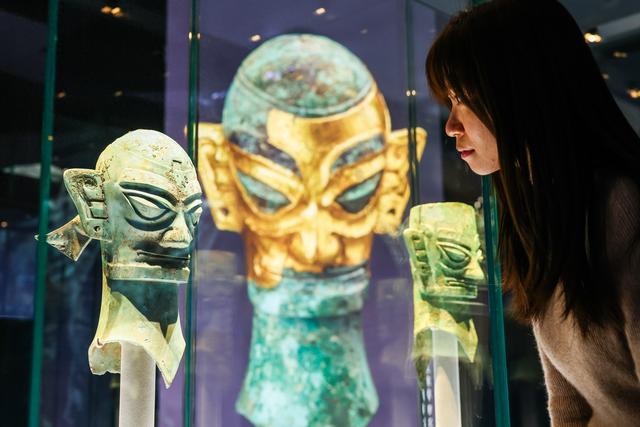
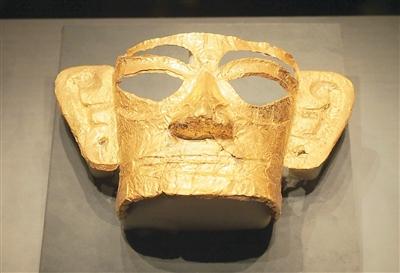
Core Viewpoint - The exhibition "Double Stars Shine in the World - Sanxingdui and Jinsha Site Ancient Shu Civilization Exhibition" showcases over 200 exquisite artifacts from the Sanxingdui and Jinsha sites, highlighting the archaeological journey and rich cultural heritage of ancient Shu civilization, emphasizing its significant position in the diverse and unified structure of Chinese civilization [2] Group 1: Exhibition Overview - The exhibition is organized by the National Museum of China and the Sichuan Provincial Cultural Relics Bureau, featuring artifacts that reflect the life and spiritual world of ancient Shu ancestors [2] - It includes four thematic units: "Stunning Secret Treasures," "Dance of Gods and Humans," "Worship of Heaven and Earth," and "Mutual Appreciation," which collectively present the archaeological findings and cultural significance of the Sanxingdui and Jinsha sites [2] - The exhibition aims to deepen the audience's understanding of the multi-faceted development of Chinese civilization [2] Group 2: Artifacts and Discoveries - Significant artifacts include the gold mask, bronze human head, and various jade and bronze items, showcasing the craftsmanship and cultural practices of the ancient Shu civilization [2][3] - The exhibition features 108 artifacts from the Jinsha site, including 37 items that have never been exhibited before, such as the bronze standing figure and beast-head jade [3] - The gold crown and the Sun Bird gold ornament from the Jinsha site are highlighted as symbols of ancient Shu's artistic achievements, with the gold ornament having a gold content of 94.2% [5] Group 3: Archaeological Significance - The Sanxingdui and Jinsha sites are recognized as major archaeological discoveries, with the Sanxingdui site being re-excavated in 2019, revealing six new sacrificial pits [2] - The exhibition features a rare display of two crown masks from the Sanxingdui site, marking the first time these iconic bronze masks have been exhibited together since their discovery [6] - The artifacts demonstrate a close cultural connection between the two sites, reflecting the continuity of ancient Shu civilization [5][6] Group 4: Visitor Engagement - The exhibition incorporates various interactive elements such as Braille descriptions, NFC sensing, touchable exhibits, and audio guide QR codes to enhance visitor engagement and understanding of ancient Shu civilization [7] - The exhibition is set to run until August 18 [8]

200余件古蜀文物闪耀国博
Xin Lang Cai Jing· 2026-01-19 05:48
Core Viewpoint - The exhibition "Double Stars Shine in the World - Ancient Shu Civilization Exhibition of Sanxingdui and Jinsha Sites" showcases over 200 artifacts, including 59 first-class items, highlighting the rich cultural heritage of ancient Shu civilization and its archaeological significance [1] Group 1: Exhibition Highlights - The exhibition features 200+ artifacts, with 59 classified as first-class, including the bronze standing figures from the Jinsha site, marking their first display outside their home museum [1] - Notable exhibits include the bronze human head with a gold mask and the bronze standing figures, which illustrate the cultural evolution from the Sanxingdui to the Jinsha period [1] - The exhibition emphasizes the similarities and differences in artifacts, showcasing the transition in hairstyles and cultural practices between the two sites [1] Group 2: Cultural Exchange and Influence - The architectural elements and construction techniques of the Sanxingdui and Jinsha sites reflect cultural exchanges with the Yellow River basin, indicating a broader influence of Shang culture on ancient Shu bronze culture [1] - Artifacts such as seashells found at the sites suggest that the region functioned as an "international metropolis" during its peak [1] Group 3: Educational Aspects - The exhibition incorporates modern technology, including Braille descriptions and NFC-enabled audio guides, to enhance accessibility and understanding of ancient Shu civilization for all visitors [1] - Recent archaeological findings related to bronze casting techniques and agricultural practices are presented alongside artifacts, providing a comprehensive view of the advancements in ancient Shu society [1]
金沙青铜立人出土25年首次亮相北京 200余件古蜀文物闪耀国家博物馆
Xin Lang Cai Jing· 2026-01-18 23:36
Core Insights - The "Double Stars Shine - Sanxingdui and Jinsha Site Ancient Shu Civilization Exhibition" has opened, showcasing over 200 artifacts, including 59 first-class items, with many being exhibited for the first time [1] - The exhibition highlights the cultural exchange and continuity between the Sanxingdui and Jinsha sites, emphasizing the evolution of bronze artifacts and their significance in ancient Shu civilization [1] Group 1 - The exhibition features a significant number of bronze masks and figures, with a focus on the similarities and differences in design, reflecting the story of cultural inheritance [1] - Two prominent bronze figures, one from Sanxingdui and one from Jinsha, are showcased, illustrating the transition in cultural representation from the Sanxingdui period to the Jinsha period [1] - The architectural elements and construction techniques of the Sanxingdui and Jinsha sites show influences from the Yellow River basin, indicating a broader cultural interaction [1] Group 2 - Recent discoveries in bronze casting technology and agricultural practices related to the ancient Shu civilization are presented, enhancing the understanding of their craftsmanship [2] - The exhibition includes notable artifacts such as the solar bird gold ornament, which will be displayed again to celebrate the 20th anniversary of the "Cultural and Natural Heritage Day" [2] - Accessibility features such as Braille descriptions and audio guides are incorporated to enhance the experience for all visitors, including those with disabilities [2]
戴冠纵目面具首次同台 三星堆—金沙遗址古蜀文明展亮相国家博物馆
Xin Lang Cai Jing· 2026-01-18 18:29
Core Viewpoint - The exhibition "Double Stars Shine in the World - Sanxingdui and Jinsha Site Ancient Shu Civilization Exhibition" showcases over 200 cultural relics, highlighting the archaeological journey and rich cultural heritage of the Sanxingdui and Jinsha sites, revealing the close connections between ancient Shu civilization and the Central Plains as well as the middle and lower reaches of the Yangtze River [1][6]. Group 1: Exhibition Highlights - The exhibition features the first-ever joint display of two crowned vertical-eyed masks from the Sanxingdui Museum and the National Museum of China, marking a historic gathering since their discovery in 1986 [3][4]. - The exhibition includes 37 sets of Jinsha relics that are being displayed outside the museum for the first time, showcasing significant artifacts such as the bronze standing figure and beast-head jade [6][8]. - The Sun God Bird gold ornament, a treasure of the Jinsha Museum, is highlighted in the exhibition, known for its high gold content of 94.2% and intricate design, representing the pinnacle of ancient Shu gold craftsmanship [4][6]. Group 2: Archaeological Significance - The Sanxingdui and Jinsha sites are recognized as two of the most significant archaeological discoveries in China, with the Sanxingdui site being re-excavated in 2019, leading to the discovery of six new sacrificial pits [3][4]. - The exhibition utilizes 3D technology to recreate significant artifacts, enhancing the visitor experience and understanding of ancient Shu civilization [5][8]. - The exhibition aims to deepen public awareness of the multi-faceted development of Chinese civilization, showcasing the results of archaeological excavations since 2020 and the upcoming research progress to be presented at the Sanxingdui Forum in September 2025 [8].
金沙青铜立人等200余件(套)文物共同呈现璀璨古蜀文明
Xin Lang Cai Jing· 2026-01-18 10:11
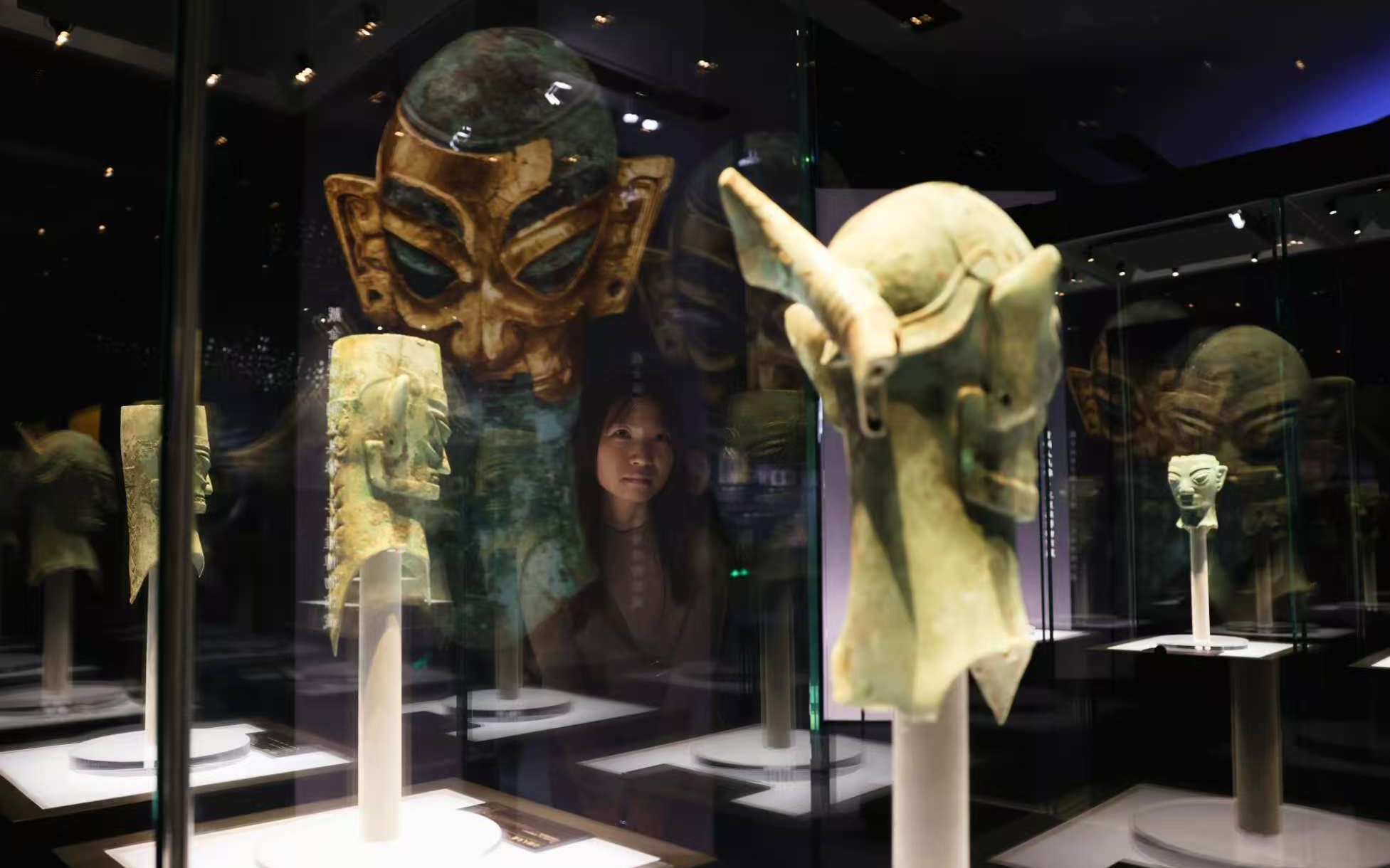
Core Viewpoint - The "Double Stars Shine in the World - Sanxingdui and Jinsha Site Ancient Shu Civilization Exhibition" opened at the National Museum of China, showcasing over 200 exquisite artifacts that depict a vibrant ancient Shu society [1][3]. Group 1: Exhibition Details - The exhibition features artifacts from multiple institutions, including the Sanxingdui Museum and the Jinsha Site Museum, with 37 items being displayed for the first time due to the temporary closure of the Jinsha Site Museum for preservation [3][6]. - Notable exhibits include a bronze standing figure and two sets of six bronze human heads, which suggest a continuity between the Sanxingdui and Jinsha cultures [3][6]. Group 2: Cultural Significance - The exhibition is divided into four sections: "Stunning Secret Treasures," "Humans and Gods Dance Together," "Worshiping Heaven and Earth," and "Mutual Integration and Appreciation," highlighting the archaeological journey and rich cultural heritage of the ancient Shu civilization [6]. - The display of the crown-wearing bronze mask from the Sanxingdui Museum alongside a similar artifact from the National Museum marks the first time these iconic bronze masks have been exhibited together since their discovery in 1986 [6]. Group 3: Future Exhibits - Additional significant artifacts, including the gold mask and the Sun God Bird gold ornament, are scheduled to be displayed in April and June, respectively, further emphasizing their importance in Chinese cultural heritage [6]. Group 4: Exhibition Duration - The exhibition will run until August 18 [7].
金沙青铜立人、青铜面具……200余件古蜀文物闪耀国博
Xin Lang Cai Jing· 2026-01-18 08:11
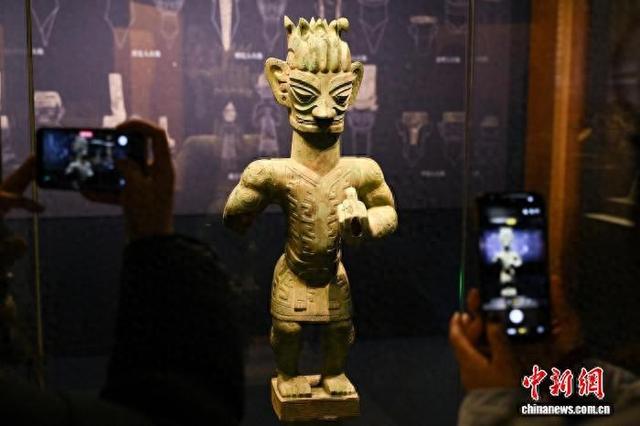
Group 1 - The exhibition "Double Stars Shine - Sanxingdui and Jinsha Site Ancient Shu Civilization Exhibition" showcases the latest archaeological findings from the Sanxingdui and Jinsha sites, featuring over 200 artifacts, including 59 first-class items [3] - Notable exhibits include the large and small bronze standing figures, with the large one being dubbed the "King of Bronze Statues" and the small one being displayed in Beijing for the first time in 25 years [5] - The exhibition highlights cultural exchanges, with architectural similarities between the Sanxingdui and Jinsha sites reflecting influences from the Yellow River basin [7] Group 2 - The exhibition reveals new findings in bronze casting technology, gold-making techniques, and rice cultivation methods, providing insights into ancient Shu craftsmanship [10] - A significant aspect of the exhibition is the first joint display of two iconic masks from the Sanxingdui Museum and the National Museum of China, marking a reunion after 40 years [12] - The exhibition includes accessibility features such as Braille descriptions, NFC sensing, touchable exhibits, and audio guide QR codes to enhance the experience for all visitors [14]