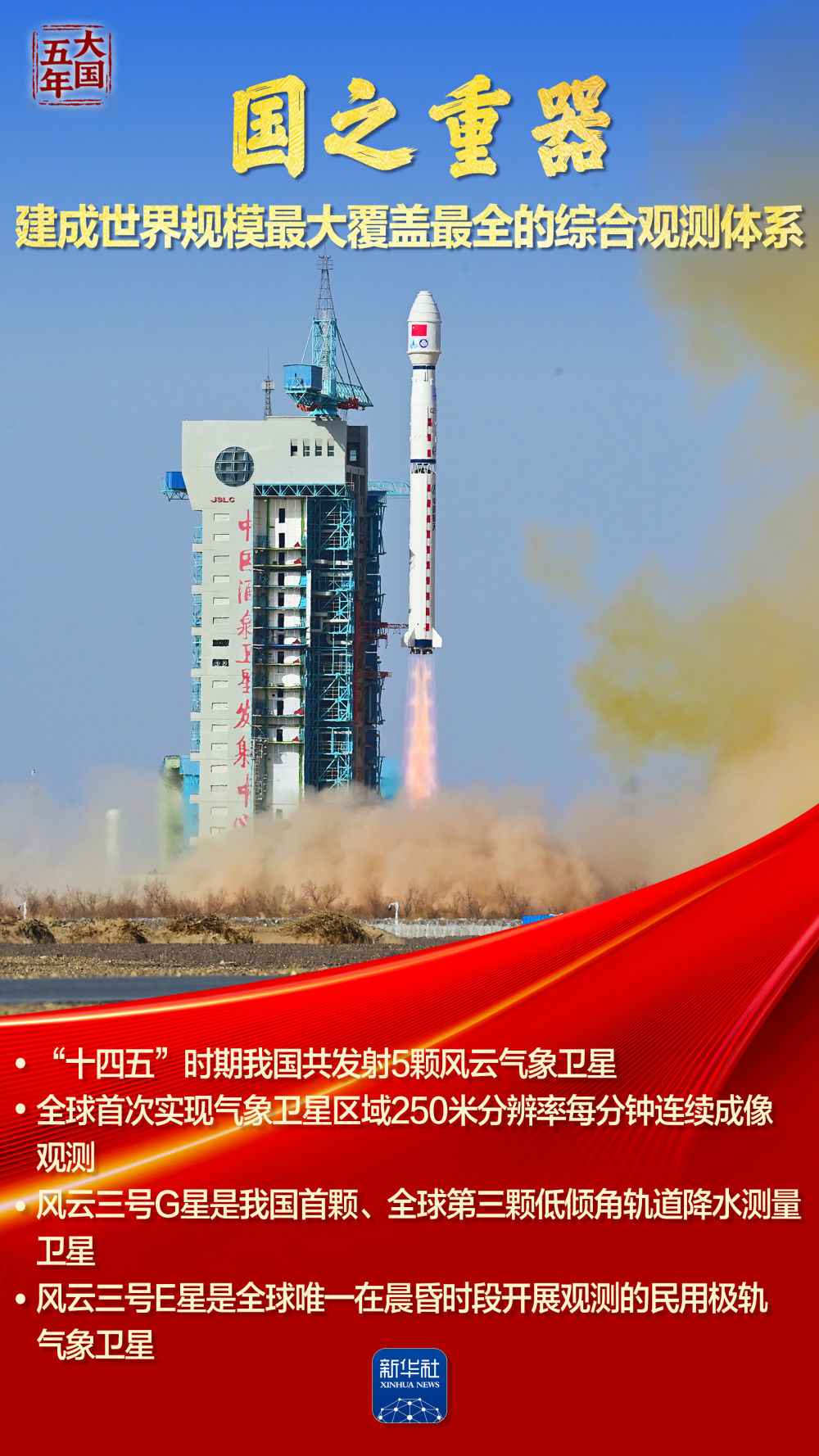
风云三号E星

Search documents
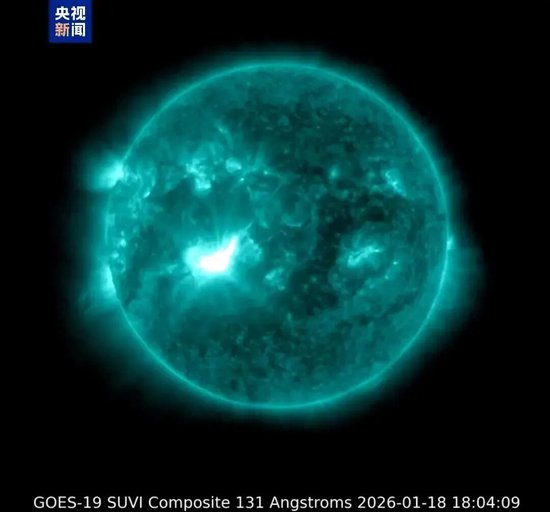
特大地磁暴发生!会不会给身体带来影响?
Xin Lang Cai Jing· 2026-01-21 11:16
Core Viewpoint - The article discusses the occurrence of an X1.9-class solar flare from solar activity region 14341, marking the first X-class flare of 2026, which led to significant geomagnetic storms on Earth starting January 20, 2026 [1][9]. Group 1: Solar Activity - The X1.9-class solar flare occurred on January 19, 2026, at 2:09 AM Beijing time [1][9]. - Following the solar flare, geomagnetic storms began on January 20, 2026, with a total of 6 hours of severe geomagnetic storms and 6 hours of moderate geomagnetic storms reported by 8 PM the same day [1][9]. Group 2: Geomagnetic Effects - The Fengyun-3E satellite detected the geomagnetic activity, showing a rapid decline in geomagnetic index values as the storm commenced [3][11]. - The Fengyun-3H satellite captured images of auroras in the Northern Hemisphere, visually indicating the regions affected by the auroras [4][15]. Group 3: Impacts of Geomagnetic Storms - Geomagnetic storms, while not harmful to human health, can affect aircraft and satellite operations, potentially causing satellites to experience altitude decreases due to atmospheric drag and increasing positioning errors in satellite navigation systems [8][17]. - Strong geomagnetic activity may significantly impact animal migration and navigation abilities, particularly for species like homing pigeons that rely on solar and geomagnetic cues [8][17].

观云识天,护航国计民生
Zhong Zheng Wang· 2025-12-05 06:17
Core Insights - Meteorological services have become a crucial support for meeting public expectations and promoting economic and social development during the 14th Five-Year Plan period [1] Group 1: Technological Advancements - The global first achievement of meteorological satellite with a regional resolution of 250 meters for continuous imaging every minute [3] - Fengyun-3G satellite is China's first and the world's third low-inclination orbit precipitation measurement satellite [3] - Fengyun-3E satellite is the only civil polar meteorological satellite conducting observations during dawn and dusk [3] - High-level self-reliance and strength achieved through equipment and technology like Fengyun satellites, Beidou sounding, and weather radars [7] Group 2: Forecasting Accuracy - The monitoring rate for hazardous weather has increased to 83% [10] - The lead time for severe convective weather warnings has been advanced by 13% [10] - Regional heavy rain, high temperature, and cold wave events can be forecasted 3 to 7 days in advance, while national significant weather events can be predicted 15 days ahead [10] - Climate anomaly events can be forecasted 6 months in advance, and climate annual outlook products can be released 1 year ahead [10] - The accuracy of rain forecasts has improved by 10% compared to the 13th Five-Year Plan period [12] Group 3: Economic Impact - Economic losses due to meteorological disasters have decreased by an average of 0.12 percentage points of GDP during the 14th Five-Year Plan [14] - Artificial rainfall and snow operations have cumulatively increased precipitation by approximately 1,677 million tons [14] - Winter wheat dry hot wind warnings have contributed to an increase in grain production by 8.3 billion jin [15] Group 4: Public Services and Applications - The life meteorological service index has expanded to over 70 types, covering various aspects of daily life [21] - Meteorological services now encompass over 70 major categories of the national economy [13] - A seamless and comprehensive intelligent digital meteorological forecasting system has been established, with spatial resolution down to 5 kilometers globally and 1 kilometer nationally [12] - 17 industries have achieved the integration and rapid release of 82 types of warning information, with alerts delivered to emergency responders within 1 minute [18] - Meteorological data products have been shared with nearly 130 million users across 21 industries in 153 countries and regions [25]