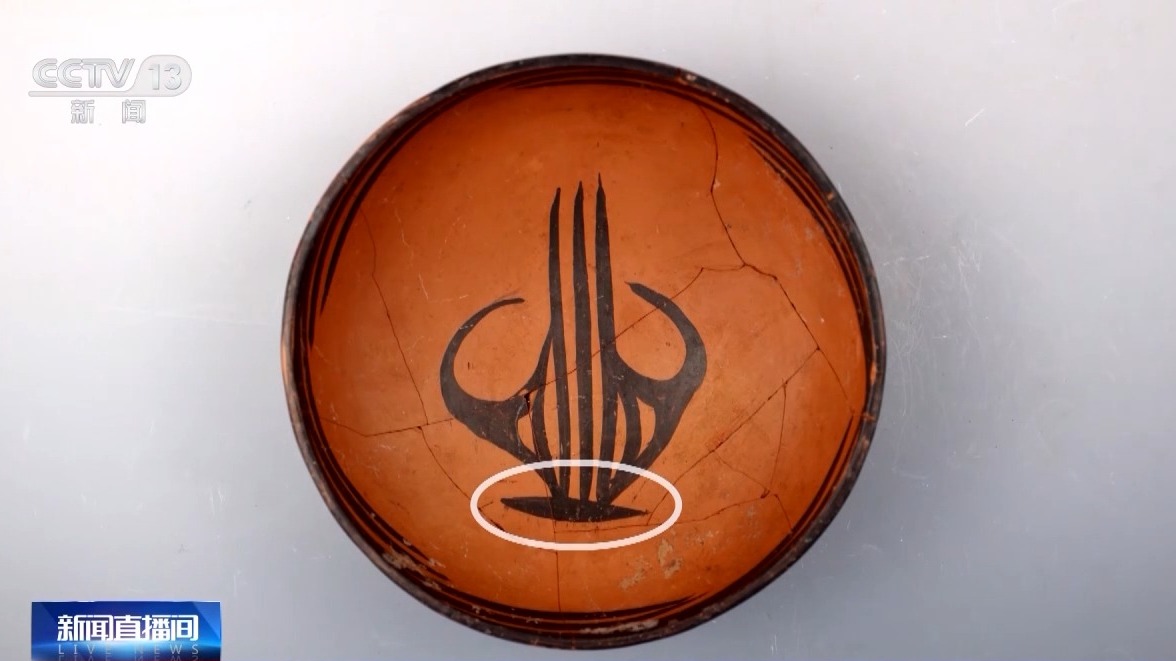
马家窑文化彩陶

Search documents
揭开青藏高原文明崛起与民族融合的壮丽诗篇
Xin Lang Cai Jing· 2025-12-25 22:30
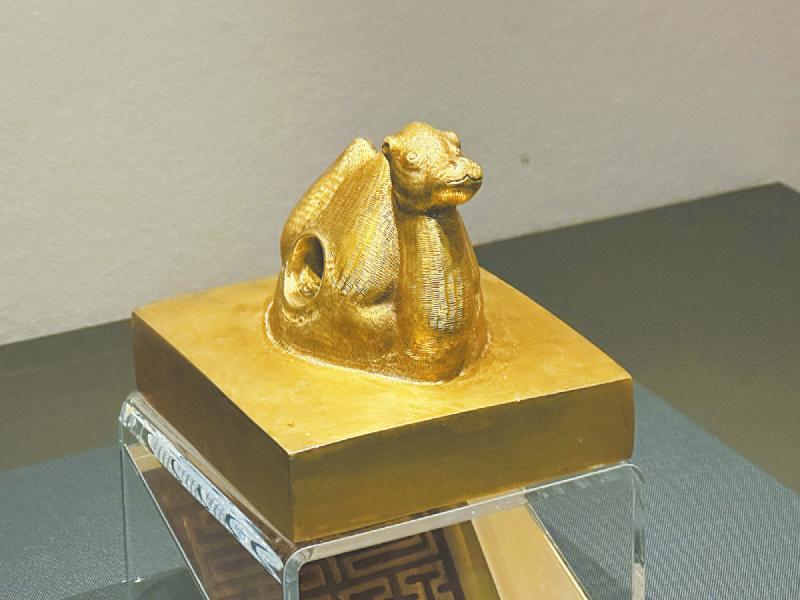
Core Insights - The exhibition titled "At the Summit of Snowy Mountains, Source of Great Rivers - The Rise of Civilization and Ethnic Integration on the Tibetan Plateau" showcases 425 precious cultural relics from 29 cultural institutions, revealing the deep history of human conquest and cultural exchange on the Tibetan Plateau [8] Group 1: Human Activity on the Tibetan Plateau - Human activity on the Tibetan Plateau dates back at least 160,000 years, as evidenced by the discovery of a Denisovan jawbone in Gansu Province [9][10] - The archaeological site in the Garzê Tibetan Autonomous Prefecture yielded stone tools dating back 220,000 years, indicating early human adaptation to high-altitude environments [10][11] Group 2: Transition to Agriculture - The transition from hunting to agriculture on the Tibetan Plateau is evidenced by Neolithic artifacts, such as a bar-shaped stone axe from the Karuo site, dating back approximately 5,000 years [12] - Cultural exchanges during the Tang Dynasty led to the flourishing of Tibetan civilization, with artifacts from various ethnic groups showcasing the rich cultural tapestry of the region [12][13] Group 3: Ethnic Integration - The exhibition highlights the close interactions among various ethnic groups on the Tibetan Plateau, dating back 5,000 years, with evidence of shared architectural practices and cultural artifacts [14] - The integration of the Tuyuhun and Tibetan cultures is exemplified by artifacts from the Tuyuhun royal tombs, showcasing the historical connections between these groups [13][14] Group 4: Governance and Administration - The exhibition features artifacts that reflect the governance of the Tibetan region by the central Chinese authorities during the Yuan, Ming, and Qing dynasties, illustrating the administrative structures established to manage ethnic affairs [16][17] - The Qing Dynasty's establishment of the Dalai Lama system and the governance of Tibet through appointed officials marked a significant period of centralized control and ethnic integration [17]

5000年前的“表情包”让现代人理解远古先民精神世界拉满氛围感
Yang Shi Wang· 2025-09-17 06:50
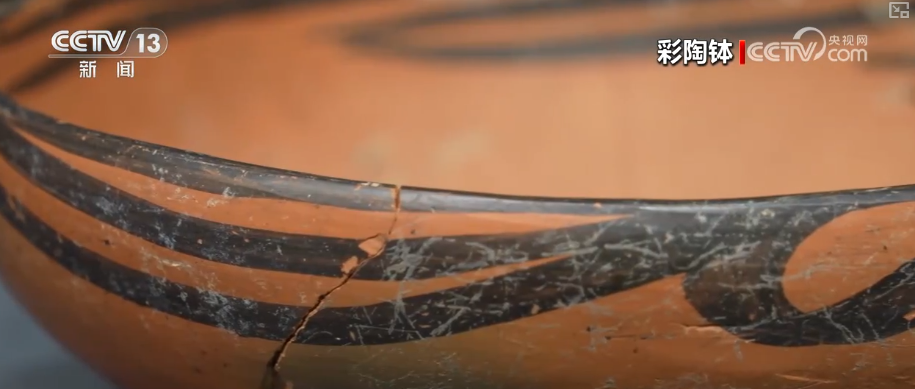
Core Viewpoint - The article highlights the opening of a series of archaeological exhibitions in China, showcasing newly discovered artifacts, with the first exhibition featuring Majiayao culture pottery from Gansu province, which opened to the public on September 17 [1]. Group 1: Archaeological Discoveries - The "colored pottery bowl" was excavated from a pit at the Shiwa site in Gansu, originally broken into pieces, and was prioritized for reconstruction due to its unprecedented painted patterns [5]. - The abstract patterns on the pottery have multiple interpretations, with some experts suggesting they symbolize the earth and a connection to the heavens, reflecting ancient people's aspirations [7]. - A newly unearthed pottery vessel, despite being a neck fragment, retains a nearly complete human face motif, described as a "crying face," which may symbolize a wish for fertility and life [10]. Group 2: Cultural Significance - The Majiayao culture, dating back 5,500 to 4,000 years, represents a peak in prehistoric Chinese pottery, with its origins linked to the migration and evolution of the Yangshao culture [18]. - The cultural influence of Majiayao extends widely, reaching regions from Xinjiang to Sichuan and Yunnan, and further into Ningxia and eastern Gansu, contributing to the development of early civilizations [20]. - The exhibition features artifacts primarily from the Shiwa site, which has been recognized as one of the top ten archaeological discoveries in China for 2024, and is set to last for three months with free admission by reservation [24].
来自5000年前的“表情包” 马家窑文化最新出土彩陶亮相
Yang Shi Xin Wen· 2025-09-17 02:57
Core Viewpoint - The article highlights the opening of a new archaeological exhibition in China, showcasing the latest discoveries from the Majiayao culture in Gansu, aimed at making archaeological artifacts accessible to the public more quickly [1][16]. Group 1: Exhibition Details - The exhibition features newly unearthed Majiayao culture painted pottery, with the first display being a "painted bowl" found in a pit at the Shiwa site in Gansu [1]. - The exhibition is planned to last for three months, and visitors can reserve free tickets online [16]. Group 2: Archaeological Findings - A notable artifact is a painted pottery bottle with a nearly complete human face motif, characterized by wide-open eyes and a "tear drop" [5]. - The mysterious prehistoric "crying face" may symbolize the ancestors' wishes for fertility and sustenance from the land [6]. - The painted pottery exhibits unique features, such as asymmetrical designs, which are rare in Majiayao culture artifacts [8]. Group 3: Cultural Significance - The Majiayao culture, dating back 5,500 to 4,000 years, represents a peak in prehistoric Chinese painted pottery, evolving from the Yangshao culture [12]. - The presence of classic Yangshao triangular patterns in the newly discovered pottery indicates the diverse and integrated evolution of Chinese civilization [14]. - The Majiayao culture had a significant influence, extending from Xinjiang in the west to Sichuan and Yunnan in the south, and reaching Ningxia in the north [14].