马帮菜

Search documents
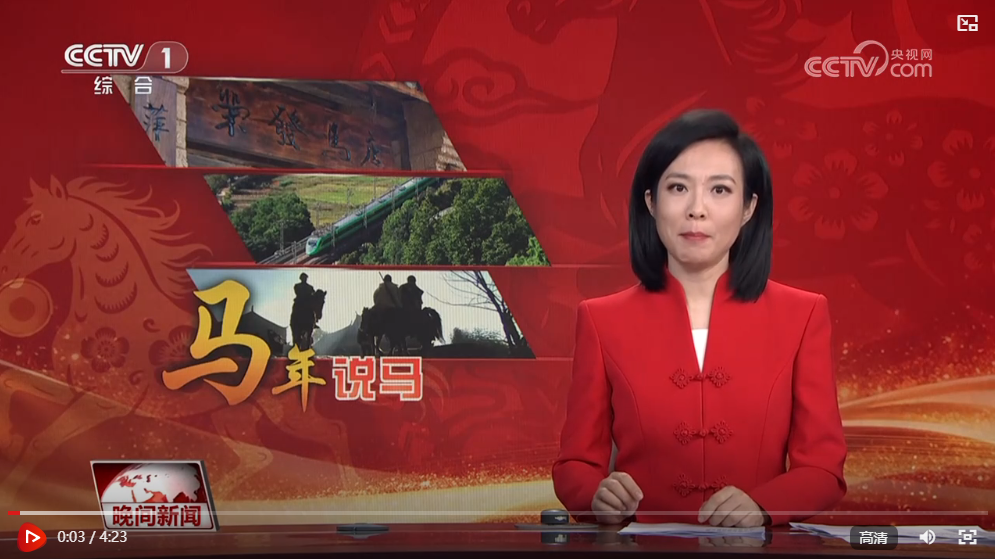
从马背到铁轨 茶马古道迎新生
Xin Lang Cai Jing· 2026-02-21 08:01
Core Viewpoint - The transformation of Nakeli from an ancient post station on the Tea Horse Road to a modern cultural tourism destination reflects the evolution of transportation and trade in the region, driven by the modernization of infrastructure such as the China-Laos Railway [2][4][8]. Group 1: Historical Significance - The Tea Horse Road was a vital transportation network in ancient China, facilitating trade in tea, salt, and medicinal materials, and promoting cultural exchanges between Southwest China and neighboring countries [4]. - Nakeli served as a significant stop for horse caravans, providing rest and trade opportunities for centuries, with its cultural heritage preserved in local traditions and cuisine [4][6]. Group 2: Modern Developments - The opening of the China-Laos Railway in December 2021 has significantly increased tourist traffic to Nakeli, with projections of over 1 million visitors in 2025, a 1.64 times increase compared to pre-railway levels [8]. - The railway has drastically reduced travel time, allowing passengers to travel from Kunming to Laos in less than a day, compared to the months it took for horse caravans [8]. Group 3: Economic Impact - The modern railway network, including the China-Laos Railway and the China-Europe Railway Express, positions Puer as a logistics hub for goods such as coffee, home furnishings, and minerals, enhancing trade with Southeast Asia and beyond [11][12]. - Puer's specialty products, including tea, are now efficiently transported to Europe via the railway, showcasing the evolution of trade logistics from traditional methods to modern rail systems [12]. Group 4: Cultural Continuity - The spirit of the horse caravan culture continues to thrive, as modern railway workers embody the values of resilience and openness that characterized the historical trade routes [14].

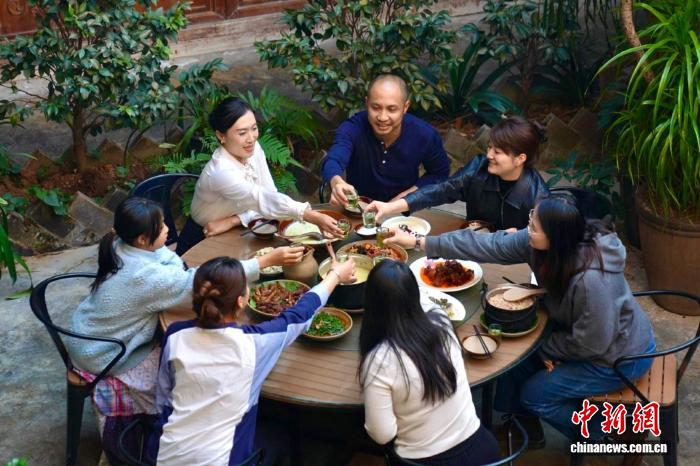
(新春见闻)茶马古道上的年夜饭:信手拈来皆食材 一锅闯荡江湖味
Zhong Guo Xin Wen Wang· 2026-02-16 07:47
Core Viewpoint - The article highlights the cultural significance and culinary uniqueness of "Mabang cuisine" in the Yunnan border city of Pu'er, especially during the Spring Festival, showcasing its evolution from traditional practices to modern dining experiences [1][2]. Group 1: Cultural and Historical Context - Pu'er is strategically located at the intersection of Laos, Vietnam, and Myanmar, historically serving as a route for the transportation of goods like tea and salt via the ancient Tea Horse Road [2]. - Mabang cuisine originated from the practices of horse caravan teams, which utilized local ingredients to create meals on the go, leading to the concept of "using whatever is available" [2]. Group 2: Culinary Characteristics - Mabang cuisine is characterized by its seasonal ingredients, emphasizing the use of flowers in spring, insects in summer, fruits in autumn, and roots in winter, with a focus on "dry," "fresh," and "wild" flavors [2]. - Key dishes include "Mabang Three Brothers," which consists of dried meats and sausages, and "Mabang Three Sisters," featuring various soybean products [2]. Group 3: Modern Adaptations and Popularity - The cuisine has gained popularity as a choice for New Year's Eve dinners, with over 30 tables reserved for the occasion, attracting both locals and tourists [5]. - Mabang cuisine has expanded beyond local borders, appealing to international visitors from countries like Laos, Thailand, Russia, and South Korea, thus bridging cultural and emotional connections through food [5].