马帮文化

Search documents
马年说马|从马背到铁轨 茶马古道迎新生
Yang Shi Wang· 2026-02-20 20:32
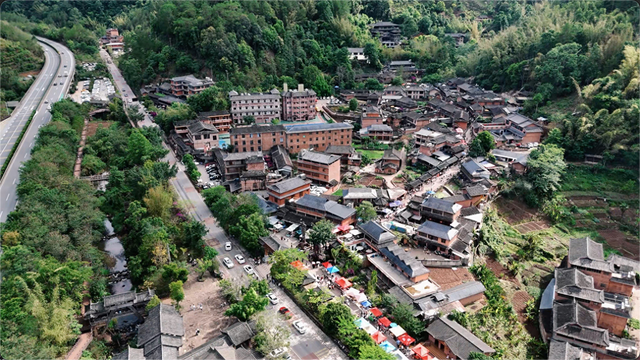
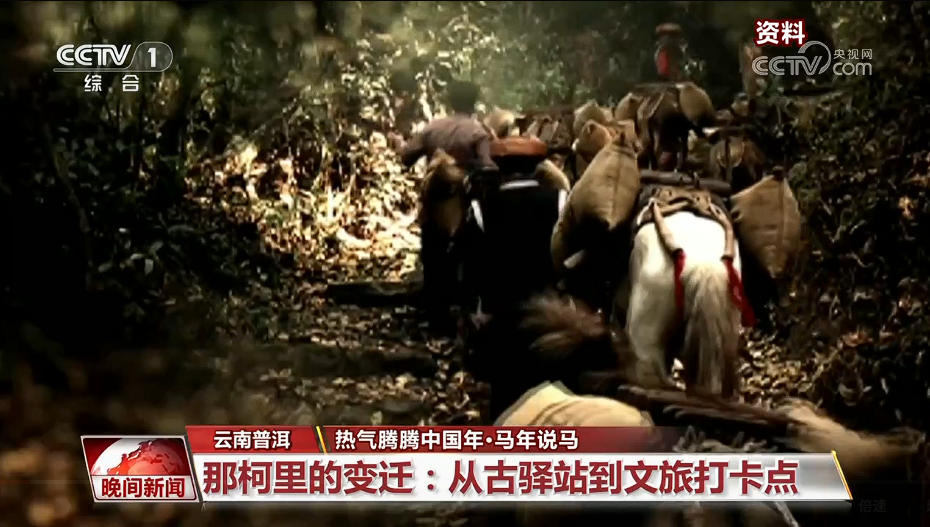
Core Viewpoint - The transformation of Nakeli from a historical transportation hub on the Tea Horse Road to a modern cultural tourism destination is highlighted, showcasing the evolution of transportation from horse caravans to railways, and the revival of horse culture in a contemporary context [1][4][12]. Group 1: Historical Significance - Nakeli was a crucial stop on the Tea Horse Road, facilitating trade and cultural exchange between regions and countries, including China, Myanmar, Vietnam, Laos, and India, during its peak in the Tang and Song dynasties [4]. - The Tea Horse Road served as a transportation network that connected southwestern China, promoting economic development and cultural interactions [4]. Group 2: Modern Developments - The opening of the China-Laos Railway in December 2021 has significantly increased tourist traffic to Nakeli, with visitor numbers expected to exceed 1 million in 2025, representing a 64% increase compared to pre-railway levels [10]. - Travel times have drastically reduced, with the journey from Kunming to Pu'er taking only two and a half hours, and from Pu'er to Vientiane taking five hours, compared to the months it took for horse caravans [10]. Group 3: Cultural Revival - Rongfa Horse Shop, a historical rest stop for horse caravans, has transformed into a cultural tourism site where visitors can experience horse culture, local cuisine, and various activities such as tea processing and coffee brewing [5][7]. - The revival of horse culture is evident as more tourists seek to engage with the heritage of the Tea Horse Road through experiential activities [7]. Group 4: Economic Impact - The modern railway network, including the China-Laos Railway and the China-Europe Railway Express, positions Pu'er as a logistics hub for global trade, facilitating the export of local products like coffee and timber to Southeast Asia and beyond [12][13]. - The integration of traditional values of the horse caravans with modern logistics practices is emphasized, showcasing a continuity of spirit and service in the transportation sector [15].

(新春见闻)茶马古道上的年夜饭:信手拈来皆食材 一锅闯荡江湖味
Zhong Guo Xin Wen Wang· 2026-02-16 07:47
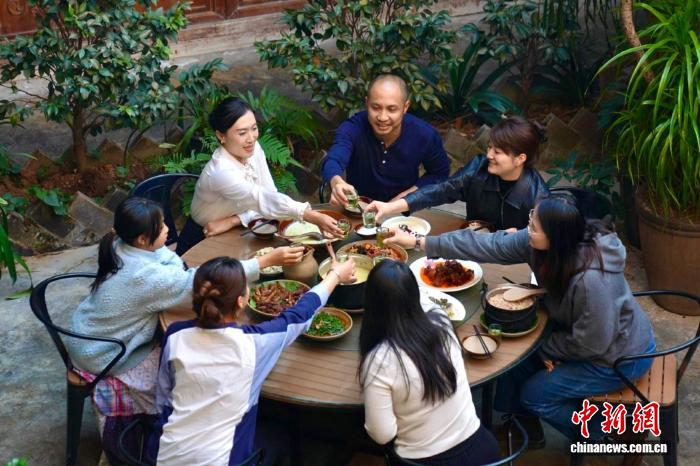
Core Viewpoint - The article highlights the cultural significance and culinary uniqueness of "Mabang cuisine" in the Yunnan border city of Pu'er, especially during the Spring Festival, showcasing its evolution from traditional practices to modern dining experiences [1][2]. Group 1: Cultural and Historical Context - Pu'er is strategically located at the intersection of Laos, Vietnam, and Myanmar, historically serving as a route for the transportation of goods like tea and salt via the ancient Tea Horse Road [2]. - Mabang cuisine originated from the practices of horse caravan teams, which utilized local ingredients to create meals on the go, leading to the concept of "using whatever is available" [2]. Group 2: Culinary Characteristics - Mabang cuisine is characterized by its seasonal ingredients, emphasizing the use of flowers in spring, insects in summer, fruits in autumn, and roots in winter, with a focus on "dry," "fresh," and "wild" flavors [2]. - Key dishes include "Mabang Three Brothers," which consists of dried meats and sausages, and "Mabang Three Sisters," featuring various soybean products [2]. Group 3: Modern Adaptations and Popularity - The cuisine has gained popularity as a choice for New Year's Eve dinners, with over 30 tables reserved for the occasion, attracting both locals and tourists [5]. - Mabang cuisine has expanded beyond local borders, appealing to international visitors from countries like Laos, Thailand, Russia, and South Korea, thus bridging cultural and emotional connections through food [5].
马帮古镇“驮”起百年侨乡风华(侨界关注)
Ren Min Ri Bao Hai Wai Ban· 2026-01-20 22:50
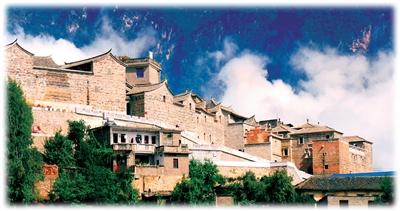
Core Viewpoint - Yisa Town, located in Yunnan Province, is a historical hub known for its horse caravan culture and overseas Chinese community, having developed significant trade routes to Southeast Asia over a century ago [1][6][7]. Group 1: Historical Significance - Yisa Town was established as a key trading post with 11 trade routes to Southeast Asia, creating a unique cultural blend of horse caravan and overseas Chinese traditions [1][6]. - The town's historical development peaked between 1912 and 1949, with hundreds of horse caravans operating annually, marking a significant era in cross-border trade [6][7]. Group 2: Cultural Heritage - The architectural landscape of Yisa features a mix of Chinese and Western styles, earning it the titles of "Architectural Garden of the Outside River" and "Museum of Border Architecture" [3][4]. - The local museum showcases 457 artifacts related to the horse caravan and overseas Chinese culture, providing a comprehensive narrative of Yisa's historical journey [8]. Group 3: Community and Identity - Approximately 75% of the local overseas Chinese population resides in Yisa, reflecting the town's strong ties to its diaspora [1]. - Recent years have seen over 10,000 overseas Chinese and international friends visiting Yisa, reinforcing its status as a cultural and ancestral hub [12]. Group 4: Future Development - Yisa is set to upgrade to a national 4A tourist attraction by 2024, focusing on cultural tourism and leveraging modern technology for commerce [12]. - Plans for the local museum include enhancing exhibitions and creating interactive experiences to promote cultural exchange and attract international visitors [15].
新时代中国调研行之文化中华丨百年马帮文化,从马蹄印里“活”到当下
Bei Jing Ri Bao Ke Hu Duan· 2025-10-27 06:21
Core Insights - The article highlights the cultural significance of the ancient tea horse road in Yunnan, emphasizing the historical and artisanal value of Pu'er tea and the traditions of the horse caravan [1][3][9] Group 1: Historical Significance - The stone road bears deep hoof prints from hundreds of years ago, marking the passage of horse caravans that transported Pu'er tea [3] - The legacy of the horse caravan is preserved through the craftsmanship of artisans like Gao Shixing, who integrates ancient tribute tea techniques into modern tea production [3] Group 2: Cultural Preservation - The old post station, once serving horsemen, now acts as a spiritual haven for modern visitors, showcasing how cultural preservation can evolve [7] - The concept of "living" culture is emphasized, where old stories are revitalized through contemporary expressions, such as creative cultural products and aromatic coffee [7][9] Group 3: Future of Cultural Heritage - The article discusses the importance of keeping the history alive by integrating traditional skills into contemporary life, ensuring that the legacy of the horse caravan is not forgotten [9] - It suggests that the best way to protect cultural heritage is to allow it to blend with modern experiences, enabling visitors to connect with the past while carrying its essence into the future [9]