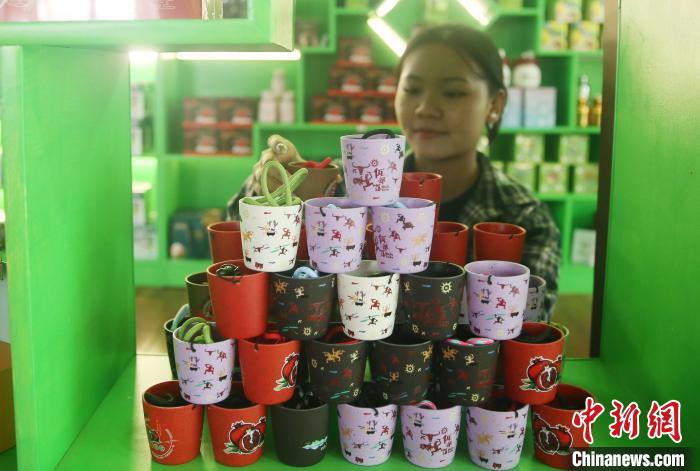
普洱咖啡

Search documents
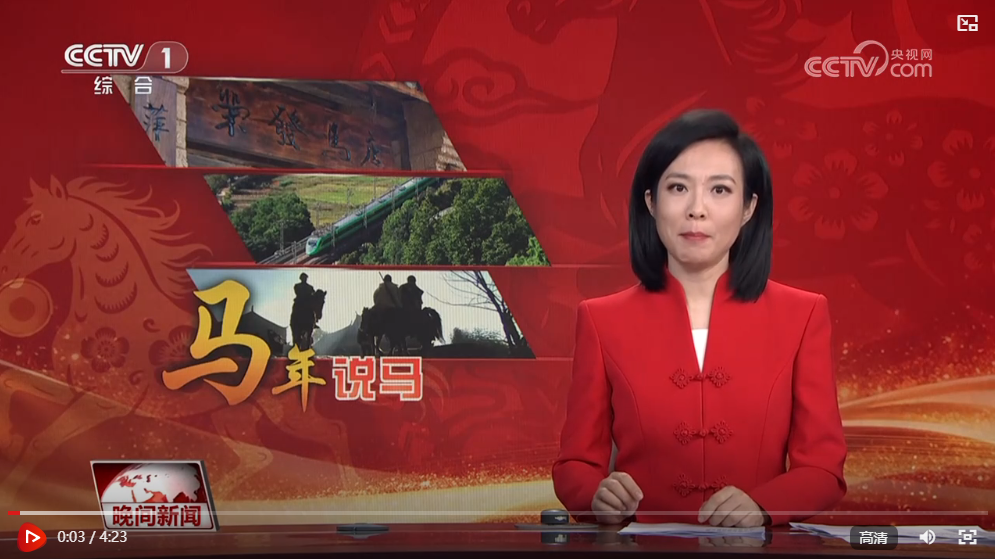
从马背到铁轨 茶马古道迎新生
Xin Lang Cai Jing· 2026-02-21 08:01
Core Viewpoint - The transformation of Nakeli from an ancient post station on the Tea Horse Road to a modern cultural tourism destination reflects the evolution of transportation and trade in the region, driven by the modernization of infrastructure such as the China-Laos Railway [2][4][8]. Group 1: Historical Significance - The Tea Horse Road was a vital transportation network in ancient China, facilitating trade in tea, salt, and medicinal materials, and promoting cultural exchanges between Southwest China and neighboring countries [4]. - Nakeli served as a significant stop for horse caravans, providing rest and trade opportunities for centuries, with its cultural heritage preserved in local traditions and cuisine [4][6]. Group 2: Modern Developments - The opening of the China-Laos Railway in December 2021 has significantly increased tourist traffic to Nakeli, with projections of over 1 million visitors in 2025, a 1.64 times increase compared to pre-railway levels [8]. - The railway has drastically reduced travel time, allowing passengers to travel from Kunming to Laos in less than a day, compared to the months it took for horse caravans [8]. Group 3: Economic Impact - The modern railway network, including the China-Laos Railway and the China-Europe Railway Express, positions Puer as a logistics hub for goods such as coffee, home furnishings, and minerals, enhancing trade with Southeast Asia and beyond [11][12]. - Puer's specialty products, including tea, are now efficiently transported to Europe via the railway, showcasing the evolution of trade logistics from traditional methods to modern rail systems [12]. Group 4: Cultural Continuity - The spirit of the horse caravan culture continues to thrive, as modern railway workers embody the values of resilience and openness that characterized the historical trade routes [14].

云南普洱:咖通世界 茶蕴古今
Zhong Guo Jing Ji Wang· 2026-01-19 03:17
Core Insights - The total investment of 500 million yuan in the Yimei Garden (Yunnan) Creative Tea Drink Ecological Industrial Park project aims to create a comprehensive ecological industrial platform integrating planting demonstration, technology research and development, refined processing, cultural experience, and creative business incubation [1] - The first complete cost insurance for coffee planting in Yunnan Province has been implemented in Menglian Dai, Lahu, and Wa Autonomous County, providing financial support for the high-quality development of the coffee industry [1] - The city of Pu'er is focusing on cultivating two pillar industries, tea and coffee, promoting a lifestyle that harmonizes both, and enhancing the multiple benefits of industrial development [1] Tea Industry Developments - Pu'er is committed to the "Three Teas Coordination" strategy, aiming to ensure that all citizens can enjoy Pu'er tea [2] - The city has 271 certified organic tea enterprises and 454 certificates, with a certified area of 619,900 acres, maintaining the top position among prefecture-level cities in China for organic tea certification [2] - The establishment of a blockchain traceability platform for Pu'er tea quality and the implementation of ten standards for Pu'er tea products are part of the efforts to strengthen tea technology [2] Coffee Industry Developments - Pu'er is enhancing the coffee industry by focusing on quality, scene, and brand, improving the entire coffee supply chain [2] - A coffee germplasm resource bank and breeding base have been established, and 365,800 acres of low-yield coffee gardens have been upgraded [2] - The city has created 34 boutique coffee estates and is promoting Pu'er coffee to 27 countries and regions globally through various exhibitions [2] Strategic Goals - The Pu'er Municipal Party Secretary emphasized the commitment to advancing the high-quality development of the tea and coffee industries through efforts in base construction, industrial upgrading, market expansion, and integrated development [3]
普洱咖啡“坐”上专列 中老铁路首列咖啡豆货运专列发车
Jing Ji Guan Cha Wang· 2026-01-16 10:19
Core Viewpoint - The launch of the first dedicated freight train carrying coffee beans from Yunnan's Pu'er City to Xiamen marks a significant development in the logistics capabilities of the China-Laos Railway, enhancing trade efficiency and supporting regional economic cooperation [1] Group 1: Logistics and Transportation - The first freight train carrying 682 tons of Pu'er coffee beans consists of 22 containers and travels a distance of 2,834 kilometers, reaching its destination in 3 days, which reduces the transportation time by 4 days compared to previous methods [1] - Since its opening in December 2021, the China-Laos Railway has transported over 73 million tons of goods, expanding its freight categories from over 10 to more than 3,800, covering 19 countries and regions [1] Group 2: Economic Impact - The operation of the coffee bean freight train is expected to leverage the advantages of railway freight, such as stability, efficiency, and cost reduction, which will be crucial for upgrading the industrial structure along the railway [1] - This initiative is anticipated to expand both domestic and international logistics markets, contributing to the promotion of Yunnan products and enhancing cross-regional economic cooperation and trade [1]

哪个地方既是世界茶源 又是咖啡之都?
Xin Lang Cai Jing· 2025-12-27 16:36
Core Insights - Pu'er City is recognized as both the "World Tea Source" and "China's Coffee Capital," highlighting its unique agricultural identity [3][4] - The region's geographical advantages, including altitude, climate, and soil conditions, contribute to the successful cultivation of both tea and coffee [3][4] Agricultural Development - Coffee cultivation began in the 1990s, leading to a significant increase in production and recognition as "China's Coffee Capital" by 2012 [4] - In 2024, the coffee planting area reached 679,000 acres, with a production volume of 46,000 tons, and exports to over 30 countries [4] Economic Impact - The comprehensive output value of Pu'er tea is 46.9 billion, maintaining its status as a key economic driver for the city [4] - The dual cultivation of tea and coffee allows farmers to optimize their agricultural practices, with coffee harvested in autumn and spring tea harvested the following year [4]

云南已有28个地理标志农产品 带动农户增收24.7亿元
Ren Min Ri Bao Hai Wai Ban· 2025-12-18 03:59
Core Insights - Yunnan Province is promoting the development and protection of geographical indication agricultural products, with 28 products identified, benefiting 480,000 farmers and generating an income increase of 2.47 billion yuan [1][2] Group 1: Agricultural Development - Yunnan has enhanced the brand protection and development of highland characteristic modern agricultural geographical indication products [1] - A special fund of 3.3 million yuan has been allocated for resource surveys of key agricultural products, establishing a directory of 357 advantageous and characteristic industry products [1] - The province has secured 12.381 million yuan from the Ministry of Agriculture and Rural Affairs to implement the "Geographical Indication Agricultural Product Protection Project" [1] Group 2: Economic Impact - The project has led to an income increase of 2.47 billion yuan for farmers, with an average increase of 5,100 yuan per person [1] - Yunnan has 64 regional public brands, including Chenggong Pear and Shilin Ginseng Fruit, which are essential for applying for the "Green Cloud Products" public brand [2] - Annual promotional events for "Green Cloud Products" are held in major cities to boost the high-quality development of geographical indication agricultural products [2]

云南普洱咖啡香产业旺
Jing Ji Ri Bao· 2025-10-14 22:16
Core Insights - The coffee industry in Pu'er, Yunnan, is transitioning from low-priced raw material exports to high-value specialty coffee production, driven by a new generation of educated coffee farmers returning to their roots [1][2][3] - The total output value of the Pu'er coffee industry reached 8.508 billion yuan last year, indicating significant economic impact [3] Group 1: Industry Development - Pu'er coffee cultivation area has reached 679,000 acres, making it a core coffee production area in China [1] - The city is implementing quality improvement measures, including the transformation of low-yield coffee farms and the establishment of a comprehensive service system for the coffee industry [1][3] - The proportion of specialty coffee beans produced in Pu'er has increased to 36.3% [1] Group 2: Market Expansion - Pu'er coffee has gained recognition among domestic and international consumers, with exports to Europe reaching 1,000 tons this year [2] - The city is promoting a new model that combines coffee culture with tourism, creating experiences for visitors to engage with coffee production [2] - Over 20 coffee estates have been established as part of the "coffee estate economy" in the region, enhancing the local tourism brand [2] Group 3: Financial Support - Agricultural Bank of China has launched the "Rural Revitalization·Coffee Loan" series to support the coffee industry, with a total of 721 million yuan disbursed by the end of August this year [3] - The focus is on enhancing the entire coffee industry chain, including cultivation, processing, and sales, to achieve higher quality and efficiency [3]
人挤人的暑假,这座云南小城避暑也避世
3 6 Ke· 2025-08-12 03:53
Group 1: Overview of Pu'er - Pu'er is a lesser-known city in Yunnan, China, recognized for its lush mountains, tea, and coffee, making it an ideal summer retreat [1] - The region is famous for Pu'er tea, with historical references dating back to the Tang Dynasty, and it was officially named during the Ming Dynasty [2][3] Group 2: Tea Industry - As of early 2025, Pu'er tea garden area is projected to reach 2.21 million acres, with the most famous Jingmai Mountain housing the largest and best-preserved ancient tea garden [3] - The local tea culture is deeply rooted, with opportunities for visitors to experience tea picking and processing firsthand [3] Group 3: Coffee Industry - Pu'er is also a major coffee-producing area in China, with suitable climate and altitude for coffee cultivation, making it the largest coffee-growing region in the country [4][5] - The introduction of coffee farming began in 1956, and by 1982, significant successes in coffee cultivation were reported [4] Group 4: Tourism and Experience - Coffee plantations in Pu'er offer experiential tourism, allowing visitors to learn about coffee culture and production processes [5][7] - Popular coffee shops and plantations have emerged, contributing to the local economy and attracting tourists [7] Group 5: Natural Environment - Pu'er is characterized by a mild climate with an average annual temperature of 19.5°C, making it a "green oasis" with rich biodiversity [8] - The region is home to the well-preserved Tea Horse Road, a historical trade route, and the Sun River Forest Park, known for its diverse flora and fauna [8] Group 6: Local Cuisine - The region is also known for its rich variety of mushrooms, with local delicacies featuring unique dishes like sour rice noodles and rice noodles with thick sauces [9]
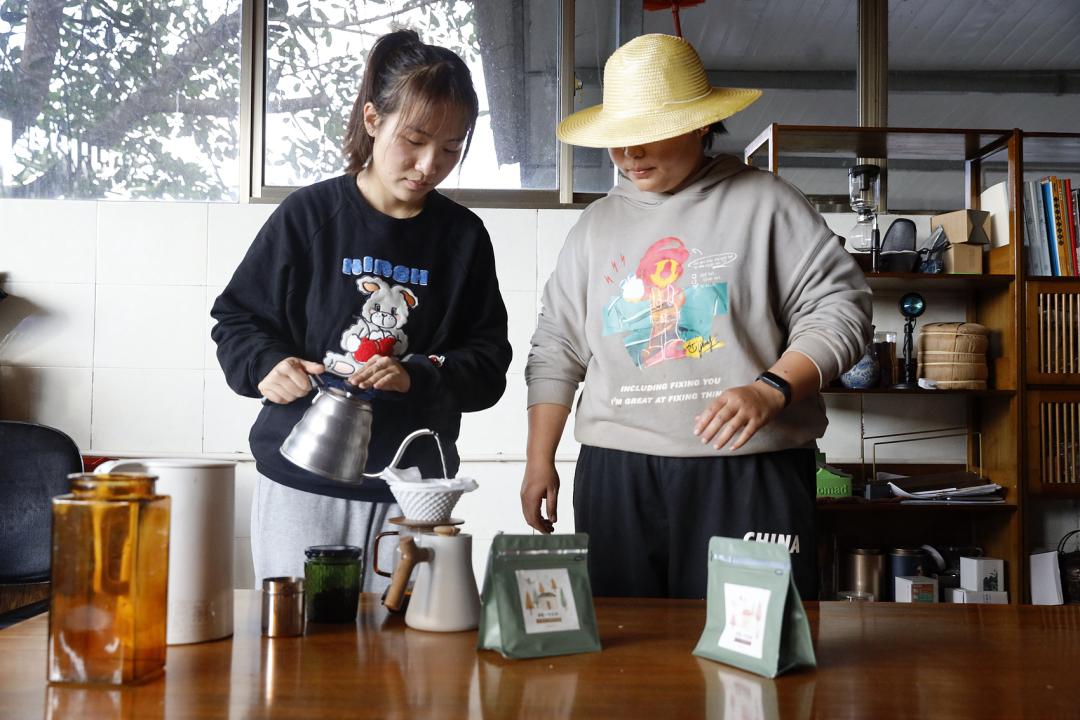
云南普洱多维度创新 助咖啡全产业链提升“咖位”
Zhong Guo Xin Wen Wang· 2025-05-08 08:23
Core Viewpoint - Puer City, known as the "Coffee Capital of China," is leveraging its unique natural conditions and rich coffee culture to enhance the entire coffee industry chain, contributing to rural revitalization [1][3]. Group 1: Industry Overview - Puer City has a coffee plantation area of 680,000 acres, with 250,000 coffee farmers and over 250 coffee shops, making it the largest coffee production area in China [3]. - The city is focusing on multiple aspects of the coffee industry, including cultivation, processing, and consumption, to improve the quality and efficiency of Puer coffee [3]. Group 2: Cultivation and Processing Innovations - Puer is promoting ecological coffee garden construction to enhance coffee quality, utilizing intercropping with trees to provide shade and pest control [3]. - The introduction of automated processing lines in local coffee companies is increasing production efficiency and product quality [3]. Group 3: Consumer Experience and Product Diversification - Puer is integrating coffee with tourism by establishing over 20 boutique coffee estates and creating coffee-themed parks and streets to enhance immersive experiences [3]. - The city is innovating in the coffee product line by developing unique coffee derivatives, such as yarn made from coffee grounds, which has gained market popularity [4][6]. Group 4: Future Projections and Branding Efforts - For the 2024-2025 coffee season, Puer's coffee bean production is projected to reach 85,000 tons, with a premium bean rate of 36.3% [6]. - Recent initiatives include global project solicitations and logo design competitions to enhance the brand image of Puer coffee [6].