茶马古道文化

Search documents
从马背到铁轨 茶马古道迎新生
Xin Lang Cai Jing· 2026-02-21 08:01
Core Viewpoint - The transformation of Nakeli from an ancient post station on the Tea Horse Road to a modern cultural tourism destination reflects the evolution of transportation and trade in the region, driven by the modernization of infrastructure such as the China-Laos Railway [2][4][8]. Group 1: Historical Significance - The Tea Horse Road was a vital transportation network in ancient China, facilitating trade in tea, salt, and medicinal materials, and promoting cultural exchanges between Southwest China and neighboring countries [4]. - Nakeli served as a significant stop for horse caravans, providing rest and trade opportunities for centuries, with its cultural heritage preserved in local traditions and cuisine [4][6]. Group 2: Modern Developments - The opening of the China-Laos Railway in December 2021 has significantly increased tourist traffic to Nakeli, with projections of over 1 million visitors in 2025, a 1.64 times increase compared to pre-railway levels [8]. - The railway has drastically reduced travel time, allowing passengers to travel from Kunming to Laos in less than a day, compared to the months it took for horse caravans [8]. Group 3: Economic Impact - The modern railway network, including the China-Laos Railway and the China-Europe Railway Express, positions Puer as a logistics hub for goods such as coffee, home furnishings, and minerals, enhancing trade with Southeast Asia and beyond [11][12]. - Puer's specialty products, including tea, are now efficiently transported to Europe via the railway, showcasing the evolution of trade logistics from traditional methods to modern rail systems [12]. Group 4: Cultural Continuity - The spirit of the horse caravan culture continues to thrive, as modern railway workers embody the values of resilience and openness that characterized the historical trade routes [14].

马越川途 从古道驮运到非遗共生
Xin Lang Cai Jing· 2026-02-12 22:40
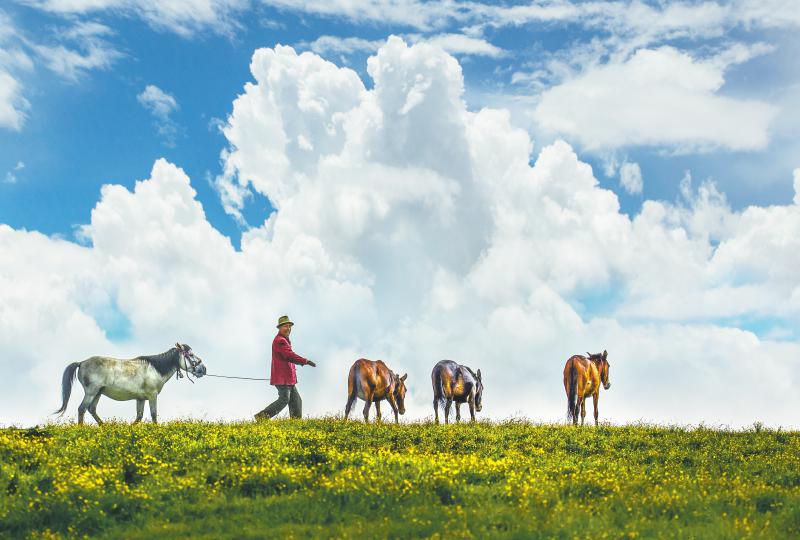
Core Viewpoint - The upcoming Year of the Horse presents an opportunity to reconnect with the cultural significance of horses in Sichuan, highlighting their historical roles and the unique horse breeds in the region [2][4]. Group 1: Cultural Significance of Horses - Horses have played an indispensable role in Sichuan's history and culture, serving as vital transportation and trade tools along the ancient Tea Horse Road [3][8]. - The film "The Fire on the Horseback," which recently wrapped filming, explores the deep connection between a young boy and horses, set against the backdrop of the Yi ethnic horse racing customs [3][5]. Group 2: Horse Breeds in Sichuan - Sichuan is home to several unique horse breeds, including the Ganzi horse, Jianchang horse, and Hequ horse, each adapted to local ecological conditions and historical needs [5][6]. - The Jianchang horse has evolved from a tall, fast breed to a smaller, sturdy one, reflecting changes in demand for transportation and agricultural needs over time [7]. Group 3: Historical Context and Trade - The Tea Horse Road, established during the Tang Dynasty, facilitated trade between Sichuan and Tibet, with horses being exchanged for tea, highlighting their economic importance [9][10]. - The historical significance of horses is further emphasized by their role in military logistics and transportation during various Chinese dynasties, including their contributions during the Anti-Japanese War [11]. Group 4: Contemporary Cultural Practices - Various cultural activities related to horses, such as horse racing and equestrian sports, are prevalent in the Ganzi, Aba, and Liangshan regions, showcasing the ongoing relevance of horse culture in modern Sichuan [12][14]. - The Yi ethnic group's horse racing customs are not only competitive but also deeply integrated into their cultural practices, reflecting the horse's status as a vital companion and symbol of strength [15].
云南那柯里迎来冬季旅游热
Zhong Guo Zheng Quan Bao· 2026-01-14 20:51
Core Viewpoint - Nakeli Village in Yunnan Province has become a popular winter tourist destination due to its unique Tea Horse Road culture and pleasant climate [1] Group 1: Cultural and Historical Significance - Nakeli Village is an important stop on the Tea Horse Road, preserving historical sites such as the century-old Rongfa Horse Shop, Tea Horse Road ruins, and wind and rain bridges [1] Group 2: Tourist Activities - Visitors can engage in immersive experiences such as making Pu'er tea cakes, horseback riding along the ancient road, and tasting intangible cultural heritage dishes from the horse caravan [1]
品味普洱文化 领略古道新风(边城见闻)
Ren Min Ri Bao· 2025-08-05 22:21
Group 1 - The article highlights the significance of the Tea Horse Road in Pu'er City, which serves as a cultural and historical link between China and Southeast Asia, particularly in promoting sports and cultural exchanges [8][16]. - Pu'er City has been actively hosting various international sports events, such as the Xiangshan International Marathon and the "Lanmei - Tea Horse Road Cup" youth football invitation tournament, to enhance regional cooperation and cultural exchange [9][12][16]. - The city leverages its geographical advantages and rich cultural heritage to foster sports tourism and strengthen ties with neighboring countries, thereby promoting mutual understanding among the local populations [10][16]. Group 2 - The article discusses the "Diao Bao" festival, a traditional event that has evolved into a competitive sport, fostering friendship and cultural exchange among China, Laos, and Vietnam [12][13]. - The festival includes various activities such as cultural performances and trade fairs, which enhance community engagement and deepen relationships among participants from the three countries [13][16]. - The Pu'er City Football Association is promoting youth football exchanges with neighboring countries, aiming to instill positive values in children and strengthen friendships through sports [15][16].

走进云南驿:探寻茶马古道与抗战记忆的交汇
Zhong Guo Xin Wen Wang· 2025-08-01 02:31
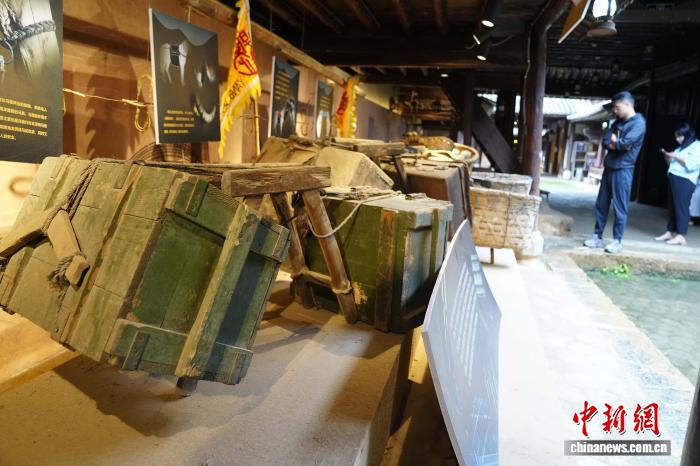
Group 1 - The Yunnan Post is a historical site located in Dali Bai Autonomous Prefecture, Yunnan Province, which served as an important station on the Tea Horse Road, facilitating trade routes to Southeast Asia and South Asia [2][6] - During the Anti-Japanese War, Yunnan Post became a crucial transportation hub due to the convergence of the Yunnan-Burma Road and the Hump Airlift [2] - The site now attracts numerous tourists interested in exploring the historical significance of the Tea Horse Road, Yunnan-Burma Road, and Hump Airlift [2][9] Group 2 - The Yunnan Post features a memorial hall that showcases military airport models, capturing the attention of young visitors [4] - The ancient post road at Yunnan Post is a significant segment of the ancient Southwest Silk Road, serving as a vital passage from the inland to western Yunnan [6] - Sculptures at the entrance of Yunnan Post depict scenes of the construction of the Yunnan-Burma Road, Yunnan Post Airport, Hump Airlift, and the transportation of materials by overseas Chinese workers [7]