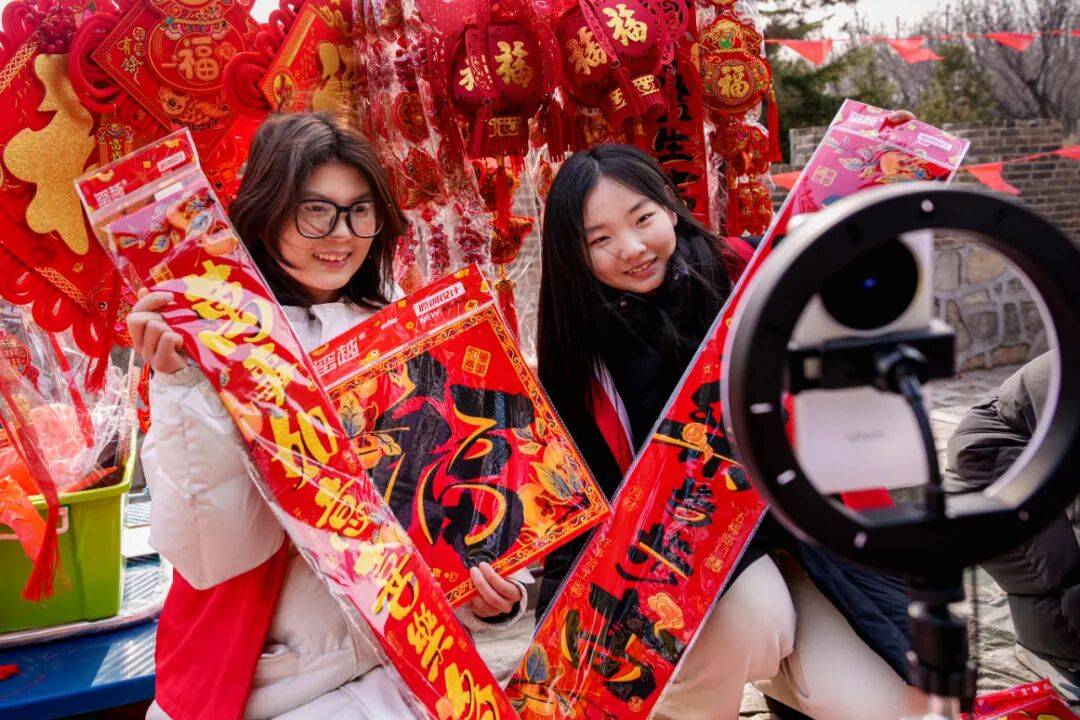
马年限定商品

Search documents
【申万宏源研究春节见闻】南通与成都:双城镜像,共绘复苏新图景
Xin Lang Cai Jing· 2026-02-21 04:16
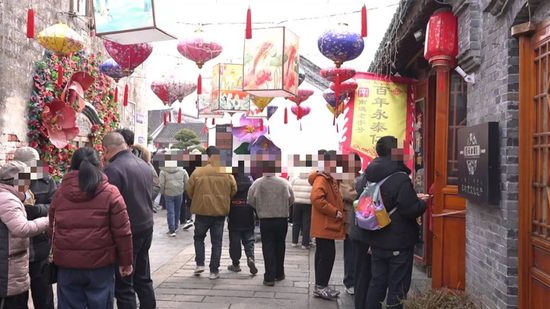
Core Insights - The article highlights the distinct development paths of Nantong and Chengdu during the 2026 Spring Festival, reflecting new demands in housing and the vitality of commercial consumption in China [1][11]. Group 1: Nantong's Housing and Consumption - Nantong's real estate market focuses on "policy precision and service convenience," launching a "New Spring Home Purchase" initiative with 74 projects participating in community benefit activities [2][13]. - The city aims to meet diverse needs such as returning home buyers, talent housing, and senior living through various housing options, from small units to larger apartments [2][13]. - The commercial area of Tangzha Ancient Town saw significant visitor engagement, with over 66,000 tourists during the first two days of the new year, a 50% increase from the previous year [3][14]. - The bustling atmosphere led to a 189% increase in sales for local merchants and market stalls, showcasing strong consumer activity and traditional festive spirit [3][14]. Group 2: Chengdu's Urban Quality and Commercial Real Estate - Chengdu emphasizes "livable quality" in its housing market, with the Luhua community as a model, featuring 8,300 acres of land and a 2,100-acre artificial lake [7][18]. - The city’s commercial real estate sector is thriving, leveraging "scene innovation" and "first-store economy" to attract consumers, becoming a top destination for national consumption [9][20]. - Chengdu's Spring Festival activities included over 90 brands launching limited-time offers, enhancing customer engagement through upgraded flagship stores and unique experiential events [9][20]. - The integration of cultural and commercial elements, such as the large-scale lantern displays and tech-driven experiences, reflects the city's dynamic approach to urban development and consumer engagement [9][20]. Group 3: Economic Implications - Both cities represent contrasting yet complementary aspects of China's economic recovery, with Nantong focusing on stability and foundational growth, while Chengdu showcases vibrant consumer culture and innovation [11][22]. - The developments in Nantong and Chengdu illustrate a broader narrative of China's economic stabilization and the strengthening of internal demand, highlighting the importance of housing and consumption in urban growth [11][22].


各种补贴狂欢!开始囤年货啦~
Sou Hu Cai Jing· 2026-01-23 16:06
Core Viewpoint - The 2026 "New Year Goods Festival" has commenced, marking a significant consumer event before the Spring Festival, with major e-commerce platforms launching promotional strategies centered around subsidies and festive themes to stimulate consumption [1][3]. Group 1: Promotional Strategies of Major Platforms - Major platforms like JD.com, Tmall, Douyin, and Pinduoduo are enhancing their promotional strategies to improve service quality and consumer experience while offering significant discounts [3][4]. - JD.com launched its New Year Goods Festival on January 25, featuring discounts starting at 50% and introducing new service offerings such as a 5-year damage replacement for kitchen appliances and a gift-sharing feature [3]. - Tmall reported a notable increase in free shipping orders from remote areas, while Douyin focused on simple discounts and group buying strategies to attract consumers [4]. Group 2: Popularity of Traditional Local Goods - Despite evolving consumption patterns, the themes of "new year renewal" and "hometown flavors" remain central to New Year goods consumption [5][6]. - Tmall's data indicates that categories like clothing, fresh produce, and electronics are top choices for consumers, with winter apparel seeing significant growth due to cold weather [5]. - The "hometown goods" initiative by Douyin aims to connect consumers with local specialties, enhancing emotional ties and driving sales for regional products [6]. Group 3: Zodiac Economy and Emotional Consumption - The year 2026, being the Year of the Horse, has led to a surge in demand for horse-themed products across various platforms, with over 30% of sales in specific categories attributed to these items [7][9]. - Emotional resonance in products is increasingly important for younger consumers, who prefer items that evoke feelings of connection and healing, as seen with the viral "Crying Horse" plush toy [9][10]. - The alcohol market is experiencing a dual trend of gifting and self-indulgence, with significant growth in low-alcohol beverages, particularly among female consumers under 30 [10].