驾校服务

Search documents
35亿掏空上市公司!驾培第一股倒计时,创始人跑路,股民亏剩零头
Sou Hu Cai Jing· 2025-12-19 07:54
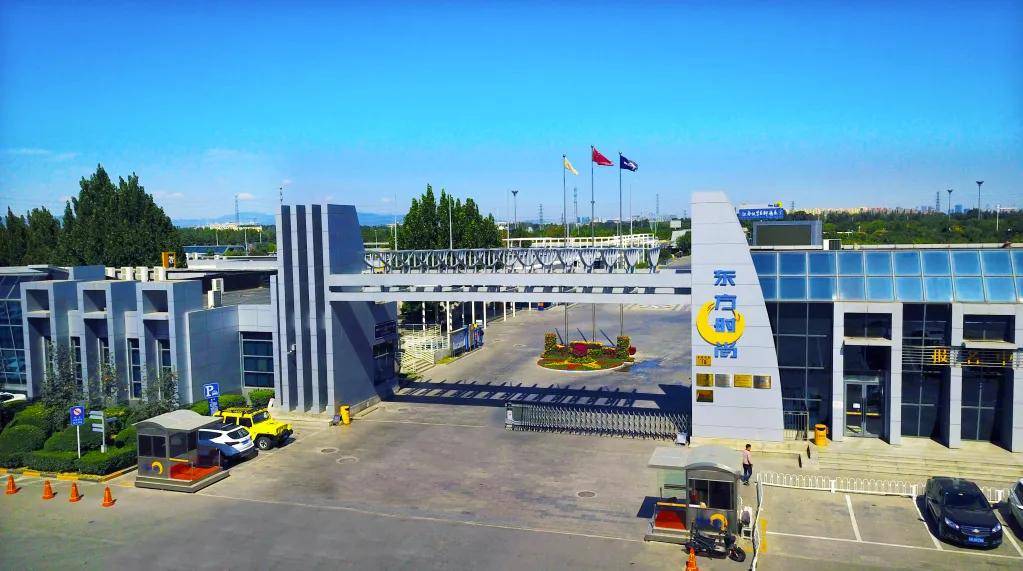
Core Viewpoint - The article highlights the downfall of Dongfang Shishang, China's largest driving school, which is on the brink of delisting after nine years of being publicly traded, primarily due to the founder's greed and mismanagement [1][3]. Company Overview - Dongfang Shishang was founded by Xu Xiong, who transitioned from a hotel service worker to a successful entrepreneur by capitalizing on the hotel supplies market before entering the driving training industry [4][5]. - The company initially thrived by offering superior service in a crowded market, distinguishing itself with a "hotel-style service" approach [10][11]. Financial Mismanagement - Xu Xiong engaged in significant stock sell-offs post-IPO, cashing out a total of 3.5 billion yuan, which is more than double the current market value of Dongfang Shishang [12][15]. - The company faced severe financial difficulties as the driving training market contracted, leading to stagnant growth and increased competition [12][21]. Regulatory Issues - The China Securities Regulatory Commission (CSRC) issued a final warning to Dongfang Shishang, demanding the return of 220 million yuan misappropriated by Xu Xiong within ten months, or face delisting [3][15]. - Xu Xiong's actions included illegal fund occupation and market manipulation, which led to his arrest and the company's subsequent ST (Special Treatment) status [15][18]. Impact on Stakeholders - Shareholders have seen their investments plummet by nearly 93%, while three company executives faced hefty fines that could financially cripple them, highlighting the disparity in accountability between the founder and the management team [15][24]. - The case of Dongfang Shishang serves as a cautionary tale for investors, emphasizing the importance of due diligence and awareness of potential risks in the capital market [24][26].


让“考后经济”成为考生消费观念的成人礼
Zhong Guo Qing Nian Bao· 2025-06-27 10:28
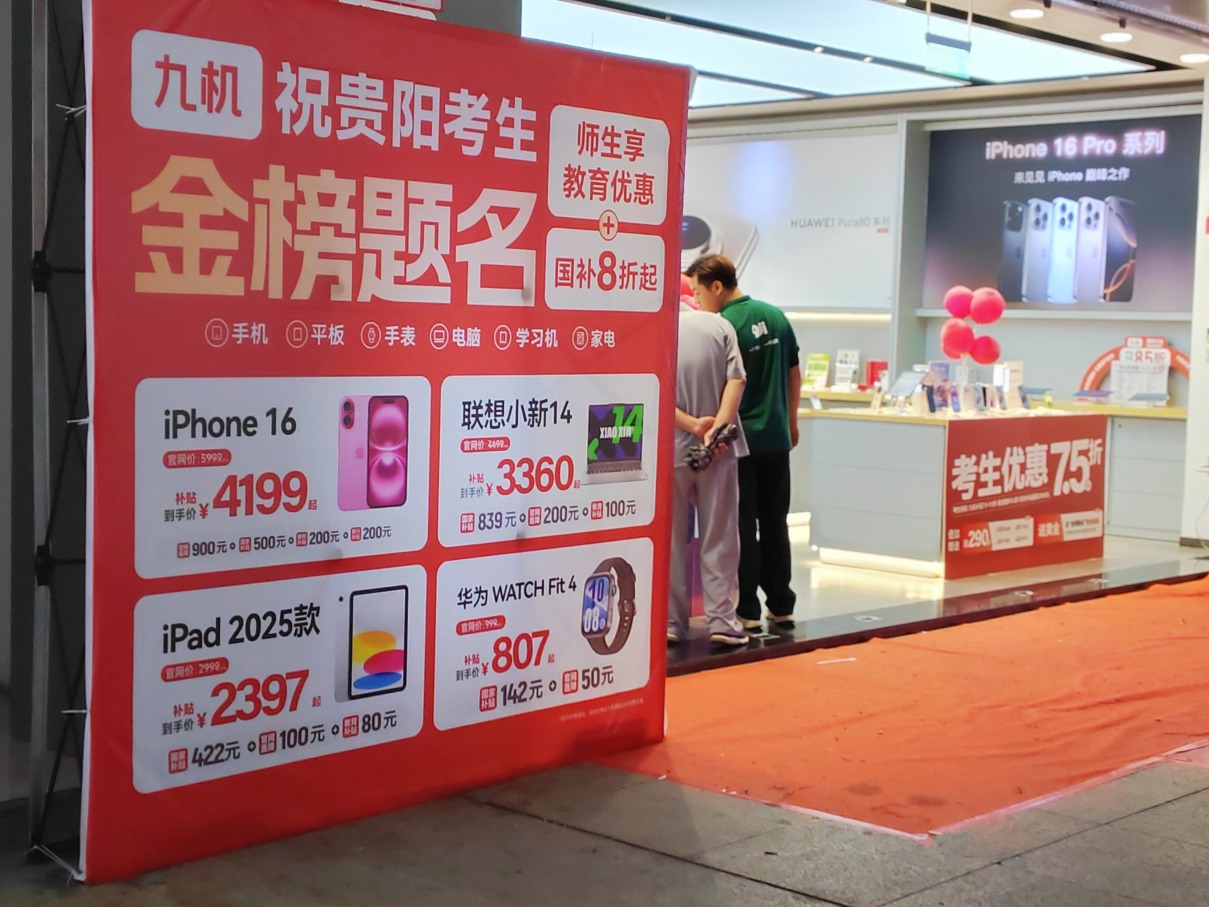
Core Insights - The "post-exam economy" is emerging as a significant trend among graduates, characterized by a surge in consumption related to travel, electronics, and personal development [1][2] - The demand for travel among high school graduates has increased dramatically, with a reported 137% year-on-year rise in bookings during the period from exam completion to college application [2] - The total number of high school graduates in 2025 is approximately 13.35 million, maintaining a historical high, which contributes to the robust growth of the "post-exam economy" [2] Consumption Trends - Graduates are engaging in various forms of consumption that symbolize personal growth and achievement, such as travel, new electronics, and skills development [1] - Parents are increasingly viewing these expenditures as a form of "coming-of-age" celebration for their children, reflecting a cultural shift in how educational milestones are recognized [1][2] Economic Context - The government has implemented supportive policies to stimulate consumption, including a special bond issuance of 300 billion yuan aimed at promoting the replacement of old consumer goods, which is 150 billion yuan more than the previous year [2] - The "post-exam economy" is seen as a natural outcome of these supportive measures and the high number of graduates entering the market [2] Social Responsibility - There is a call for parents, schools, and society to guide graduates towards rational consumption, emphasizing the importance of financial literacy and responsible spending [3] - The need to balance fulfilling desires with instilling values of moderation and investment in the future is highlighted, suggesting a shift towards more sustainable consumption practices [3]
“考后经济”升温,透出青年消费新趋势
Xin Hua She· 2025-06-19 13:43
Core Insights - The "post-exam economy" is emerging as a significant trend among high school graduates, characterized by a surge in consumption related to travel, electronic products, and personal development activities [1][8]. Travel Consumption - High school graduates are increasingly engaging in emotional consumption, with travel being a primary focus. For instance, a graduate from Hubei took a spontaneous trip to Chongqing right after the exams, benefiting from various discounts offered to graduates [2][3]. - Data from Ctrip indicates that travel product bookings surged by 88% from June 9 to June 11, with many graduates opting for immediate travel post-exams, viewing it as a rite of passage [3]. Electronic Products - There is a notable increase in "reward-based consumption," particularly in electronic products such as smartphones, computers, and tablets, as parents purchase these items as rewards for their children after exams. Sales of these products have peaked during this period [4]. - Promotions during the 618 shopping festival have further boosted sales, with some products seeing a sales increase of 40% to 50% [4]. Personal Development - Graduates are also focusing on personal development activities, such as obtaining driving licenses and engaging in fitness training. Many graduates are enrolling in driving schools and gyms to prepare for their next life stages [6]. - The demand for corrective procedures, such as vision and dental corrections, has also risen, with Meituan reporting a 108% increase in vision surgery orders and nearly 30% growth in dental procedures [7][8]. Market Trends - The consumption preferences of high school graduates are shifting towards personalized and experiential products, driving market upgrades and product iterations [5]. - The "post-exam economy" is not just a short-term consumption spike but a reflection of the evolving needs and preferences of young consumers, suggesting a need for businesses to adapt and enhance their offerings [8].