
高性能激光器模块及相关子系统

Search documents
经济大游泳池:美联储如何管理“水位”?
Sou Hu Cai Jing· 2026-02-10 13:39
Group 1 - The core concept of "balance sheet reduction" (缩表) is to decrease the Federal Reserve's balance sheet by withdrawing excess liquidity from the market to combat inflation [6][7][8] - The assets on the balance sheet primarily consist of U.S. Treasury securities and mortgage-backed securities (MBS) [4] - The liabilities include the dollars printed and circulated in the market, as well as reserves held by commercial banks at the Federal Reserve [5] Group 2 - The Federal Reserve employs two main methods for balance sheet reduction: passive reduction by stopping reinvestment of maturing bonds and active reduction by directly selling assets [7][8] - The goal of balance sheet reduction is to recover excess liquidity created during the pandemic and to raise long-term interest rates, which can suppress total demand by increasing borrowing costs for businesses and individuals [9][10] Group 3 - The impact of balance sheet reduction is felt globally, as it can lead to a decrease in market liquidity, potentially raising borrowing rates and putting pressure on asset prices in the U.S. [11][12] - The Federal Reserve's recent announcement to end the current round of quantitative tightening by December 1, 2025, marks a significant shift in monetary policy [13] Group 4 - The combination of interest rate cuts and balance sheet reduction is seen as a "policy paradox," aiming to shift the economy from reliance on external monetary expansion to internal credit creation [15][16] - The proposed reforms aim to redirect capital from financial speculation to real investment, supporting small businesses and technological innovation [18] Group 5 - The anticipated effects of these policies include a healthier, market-driven interest rate system that enhances resource allocation efficiency [21] - The strategy involves a phased approach: first lowering interest rates, then easing financial regulations, and finally implementing gradual balance sheet reduction [25][27] Group 6 - The potential global impact of these policies includes increased capital outflows from emerging markets and pressures on foreign currency debt repayment [29] - The success of the proposed policies hinges on the ability to recover liquidity without triggering economic contraction, relying on advancements in productivity and cost control measures [30]

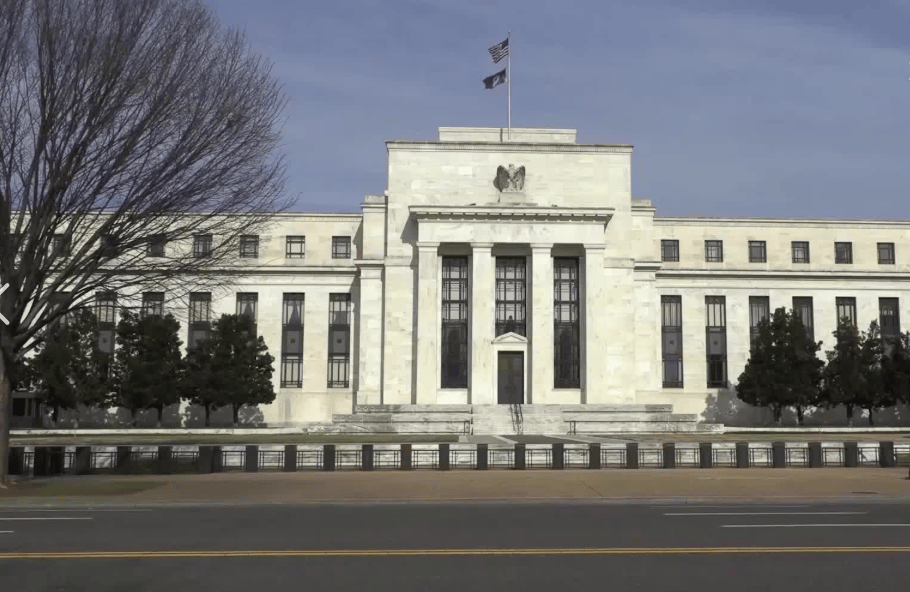
凯文·沃什被提名,全球贵金属市场迎来剧烈震荡
Sou Hu Cai Jing· 2026-01-31 12:51
Group 1 - The nomination of Kevin Walsh to the Federal Reserve has triggered significant volatility in the global precious metals market, leading to historic declines in spot gold and silver prices, with silver experiencing a maximum intraday drop of 36% and closing down 26.42% at $85.259 per ounce, while gold fell over 12% to below $4700 per ounce, marking its worst single-day drop in 40 years, closing down 9.25% at $4880 per ounce [2][3] - The market perceives Walsh's nomination as a direct catalyst for the precious metals crash, aligning with the notion that currency trends dominate short-term fluctuations in gold and silver prices, as emphasized in the analysis of monetary policy and its impact on these assets [3][4] - Walsh's complex monetary policy stance, which includes both hawkish and dovish elements, may continue to influence short-term volatility in the gold and silver markets, suggesting a potential balance in Federal Reserve policies that could mitigate extreme market reactions [4][6] Group 2 - Despite the recent sharp declines, the long-term value foundation of gold and silver remains intact, driven by their scarcity and industrial demand, particularly in sectors like AI and photovoltaics, which are expected to support silver's long-term value [5][6] - Historical patterns indicate that significant price surges in gold and silver are often followed by substantial corrections, yet current global central bank gold purchases provide structural support for gold prices, reflecting a long-term trend in capital flows and the evolution of the monetary system [6] - The volatility in silver prices is attributed to its smaller market size and lower liquidity, making it more susceptible to short-term policy shifts and capital flows, while its industrial applications are expected to drive demand growth in the coming years [5][6]
