高支棉纱

Search documents
5044家中国企业涌进乌兹别克斯坦,他们在算什么账?
吴晓波频道· 2026-03-13 00:29
Core Insights - Uzbekistan is becoming a significant market for Chinese enterprises, with 5,044 Chinese companies established by early 2026, leading all foreign investments [4][7] - The cost of producing cotton yarn in Uzbekistan is approximately 25% lower than in China, making it an attractive location for manufacturing [3] - The urbanization in Uzbekistan is accelerating, with urban population reaching 19.3 million by July 2025, creating a strong demand for construction materials and consumer goods [10][12] Group 1: Uzbekistan Market Dynamics - The number of foreign enterprises in Uzbekistan has increased by 1.9 times from 2020 to 2025, with a notable shift towards manufacturing over trade [9] - The local demand for construction materials is driven by rapid urbanization, with new residential areas emerging and a significant supply chain gap [10][12] - The energy and infrastructure sectors are in need of systemic updates, with a large portion of the electrical grid in urgent need of replacement [12][13] Group 2: Opportunities in Russia - The Russian market has undergone significant restructuring, with Chinese products becoming the new norm rather than mere substitutes [15][16] - The demand for automotive parts is growing, with Chinese brands capturing nearly 60% of the passenger car market in Russia, leading to increased aftermarket needs [17] - The Russian e-commerce market is expanding rapidly, with a market size of 11.5 trillion rubles (approximately 940 billion yuan) in 2025, marking a 28% year-on-year growth [20] Group 3: Strategic Insights for Enterprises - Chinese companies are transitioning from merely exporting products to establishing local production capabilities, enhancing their competitive edge [26][27] - The entry barriers for Chinese businesses in Russia are relatively low, with platforms like Ozon offering quick onboarding processes [22][24] - The upcoming trip to Uzbekistan and Russia aims to provide insights into local market dynamics, investment policies, and operational strategies for Chinese enterprises [25][28]

累购期权:棉花企业的“成本减负”神器
Qi Huo Ri Bao Wang· 2025-07-01 01:09
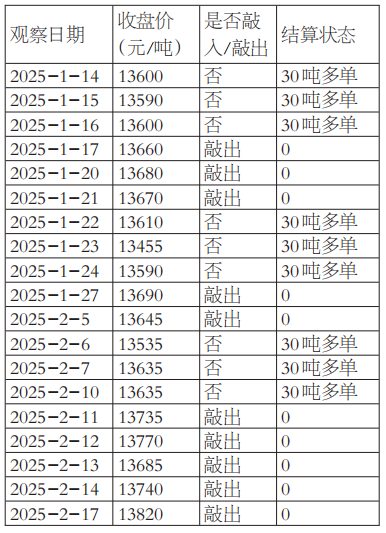
Core Insights - The article highlights the innovative risk management approach adopted by downstream enterprises in the Xinjiang cotton industry through structured OTC options, specifically the cumulative purchase options used by processing company X to manage procurement costs effectively in a volatile market [1][15]. Industry Overview - The cotton industry faces structural challenges, with cotton being a core raw material for the textile industry. Price fluctuations significantly impact garment manufacturing, foreign trade exports, and agricultural planting. Recent geopolitical conflicts, extreme weather, and competition from alternative fibers have exacerbated market volatility, putting pressure on the stability of enterprises, particularly those in Xinjiang, which accounts for over 90% of China's cotton production [2][3]. - In 2024, domestic cotton prices exhibited notable "double high and double low" fluctuations, with prices for Xinjiang 3128B cotton ranging from 15,200 to 16,800 yuan/ton, reflecting a year-on-year increase in price volatility of 1,600 yuan/ton [2]. - The industry is constrained by three major pressures: high costs, high inventory, and high import dependence, alongside two weaknesses: weak demand and weak profits. The cost of planting has risen due to a 12% increase in fertilizer and pesticide prices, with average costs exceeding 2,500 yuan per mu. Processing costs have also increased by 8% to 10% due to high energy prices [2][3][4][5]. Company Case Study - Company X, a processing enterprise in Xinjiang, relies on high-quality long-staple cotton for its core products. The company faces significant profit pressure due to rigid sales prices and elastic raw material costs, leading to gross margin fluctuations of 25% to 40% [6]. - To address procurement risks during price surges, X implemented a cumulative call option strategy, allowing for flexible and low-capital risk management. The option was designed to lock in procurement costs effectively [8][11]. - The cumulative call option was executed with an entry price of 13,490 yuan/ton and a daily contract volume of 30 tons over a 19-day observation period. The mechanism allowed for double contract volume if the settlement price fell below the trigger price [8][10]. Implementation and Results - Throughout the observation period, X closely monitored daily futures prices and flexibly triggered contract executions, ultimately securing procurement rights at a cost of 13,340 yuan/ton for 270 tons of CF505 futures contracts [11][12]. - The company successfully rolled over and adjusted its cumulative call option strategy, achieving an average procurement cost of 13,340 yuan/ton for a total of 2,520 tons, effectively smoothing the procurement cost curve [12][13]. - This case illustrates the effectiveness of customized OTC options in addressing the risk management challenges faced by the Xinjiang cotton industry, enhancing the ability of enterprises to hedge against market risks and stabilize operational profits [15].