高端芯片H20

Search documents
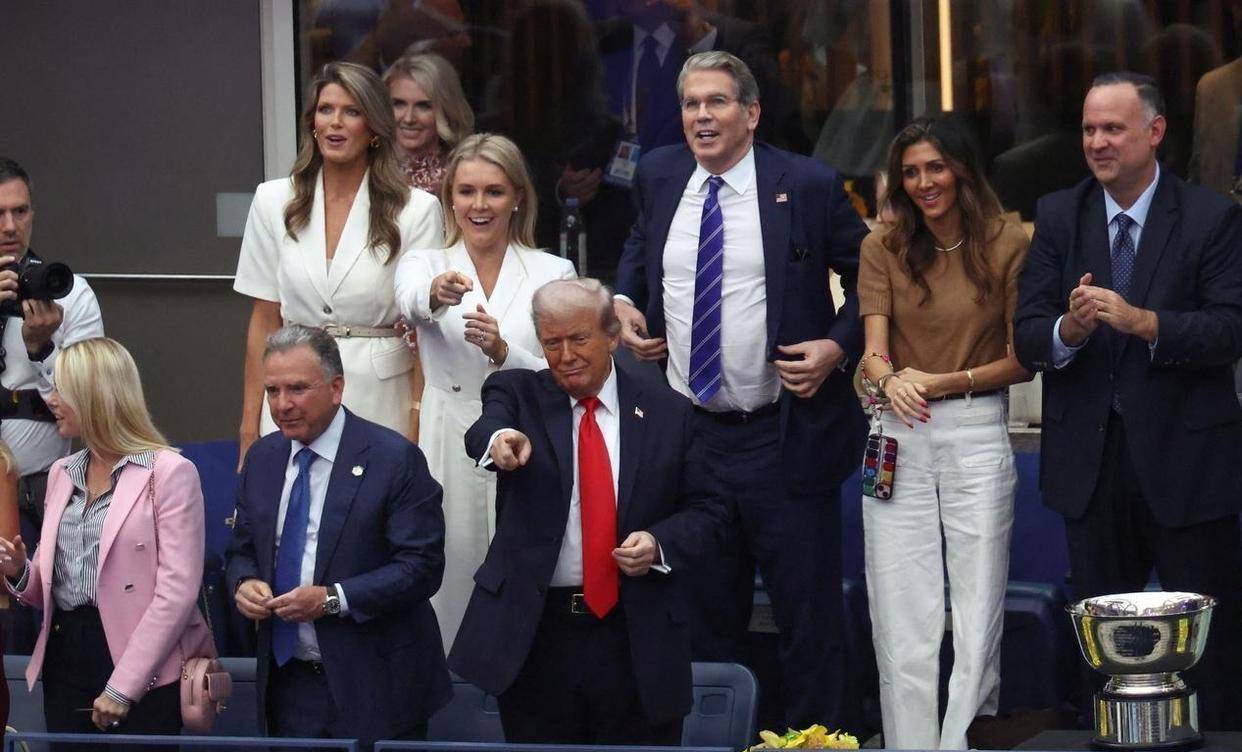
韩国一战,特朗普成大赢家,美国却输惨了,我们没赢但胜利了
Sou Hu Cai Jing· 2025-11-02 20:53
Core Viewpoint - The article discusses the implications of Trump's tariff strategy on global trade, highlighting how countries like South Korea have succumbed to pressure while others like China, Canada, and India resist. The underlying truth of the trade war extends beyond surface agreements [1]. Group 1: Trade Agreements and Economic Impact - Trump announced a trade agreement with South Korea, imposing a 15% tariff on Korean exports to the U.S., while South Korea will maintain zero tariffs on U.S. products [3]. - South Korea committed to investing $350 billion in U.S.-controlled projects and purchasing $100 billion of U.S. liquefied natural gas [3]. - The total commitment of $450 billion from South Korea represents about 25% of its GDP, which is significant for a country with an annual GDP of less than $2 trillion [7]. Group 2: Negotiation Dynamics - The negotiation process for South Korea was chaotic, with the team pursuing U.S. Treasury Secretary Mnuchin aggressively, indicating the high stakes involved [7]. - The pressure from larger economies like Japan and the EU, which made substantial investment commitments, left South Korea feeling isolated and compelled to compromise [9]. Group 3: Resistance Strategies - China has adopted a systematic approach to counter U.S. tariffs, including controlling rare earth exports, which impacts U.S. military companies [11]. - Canada has responded with reciprocal measures, threatening to cut off electricity supplies to the U.S., reflecting the deep economic integration between the two nations [11]. - India has shown resilience against tariff threats, emphasizing its critical role in U.S. supply chains, particularly in mobile manufacturing [11]. Group 4: Long-term Consequences - While Trump appears to have secured several agreements, the actual implementation of these agreements may face significant delays and challenges [12]. - The agreements, including those with South Korea, reveal potential issues, such as the reliance on loans and guarantees rather than direct investment [12]. - The U.S. tariff policies are reshaping global supply chains, with a focus on regional trade agreements that prioritize U.S. interests [12]. Group 5: Shift in Global Alliances - Countries are subtly moving towards reducing dependence on the U.S., with South Korea advancing free trade talks with China even as it signs agreements with the U.S. [13]. - The unpredictability of U.S. policies is eroding trust among allies, leading to a potential decline in U.S. influence and credibility in global markets [13].

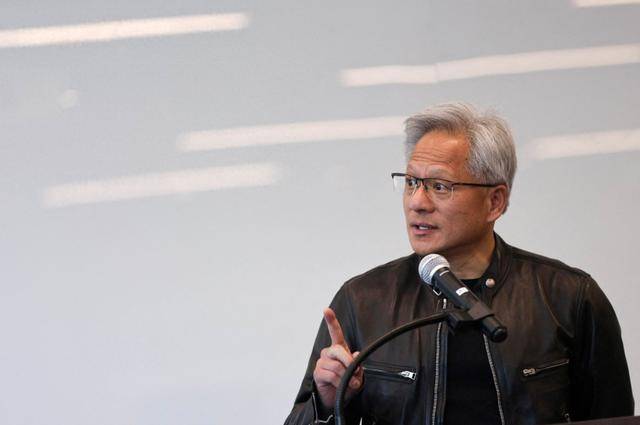
丝毫不顾特朗普颜面,黄仁勋动身访华前,不忘给美国政府一记暴击
Sou Hu Cai Jing· 2025-07-17 11:21
Core Viewpoint - The visit of NVIDIA CEO Jensen Huang to China highlights the tension between U.S. export restrictions and the need for American companies to access the Chinese semiconductor market, which is crucial for their survival and growth [1][5][7]. Group 1: Impact of U.S. Export Restrictions - NVIDIA faced a significant loss of $5.5 billion due to U.S. export control regulations that blocked the export of high-end chips specifically developed for the Chinese market [1]. - Huang has publicly criticized the tightening of U.S. export policies, arguing that such restrictions create opportunities for Chinese competitors [3][8]. - The U.S. government’s decisions have led to fluctuations in NVIDIA's stock price and market instability, emphasizing the importance of the Chinese market for the company [5]. Group 2: Huang's Position and Strategy - Huang's visit to China is seen as a bold move, as he aims to advocate for the importance of the Chinese market while navigating U.S. political pressures [1][7]. - He has expressed that the U.S. export restrictions are counterproductive and that China has the capability to develop its own semiconductor technologies without relying on NVIDIA [8][10]. - Huang's stance promotes a vision of a borderless semiconductor market, arguing that technological innovation should be driven by open collaboration rather than isolationist policies [10]. Group 3: Future Implications for the Industry - Huang's approach may provide insights for shareholders and technology developers regarding the future of the semiconductor industry amidst geopolitical tensions [10]. - The potential launch of a "special edition" AI chip by NVIDIA, designed to comply with U.S. export controls, indicates the company's strategy to adapt to regulatory environments while maintaining its market presence [5]. - Huang's advocacy for a more inclusive technological landscape suggests that the future of the semiconductor industry may hinge on global cooperation rather than restrictive measures [10].