
高速通行服务

Search documents
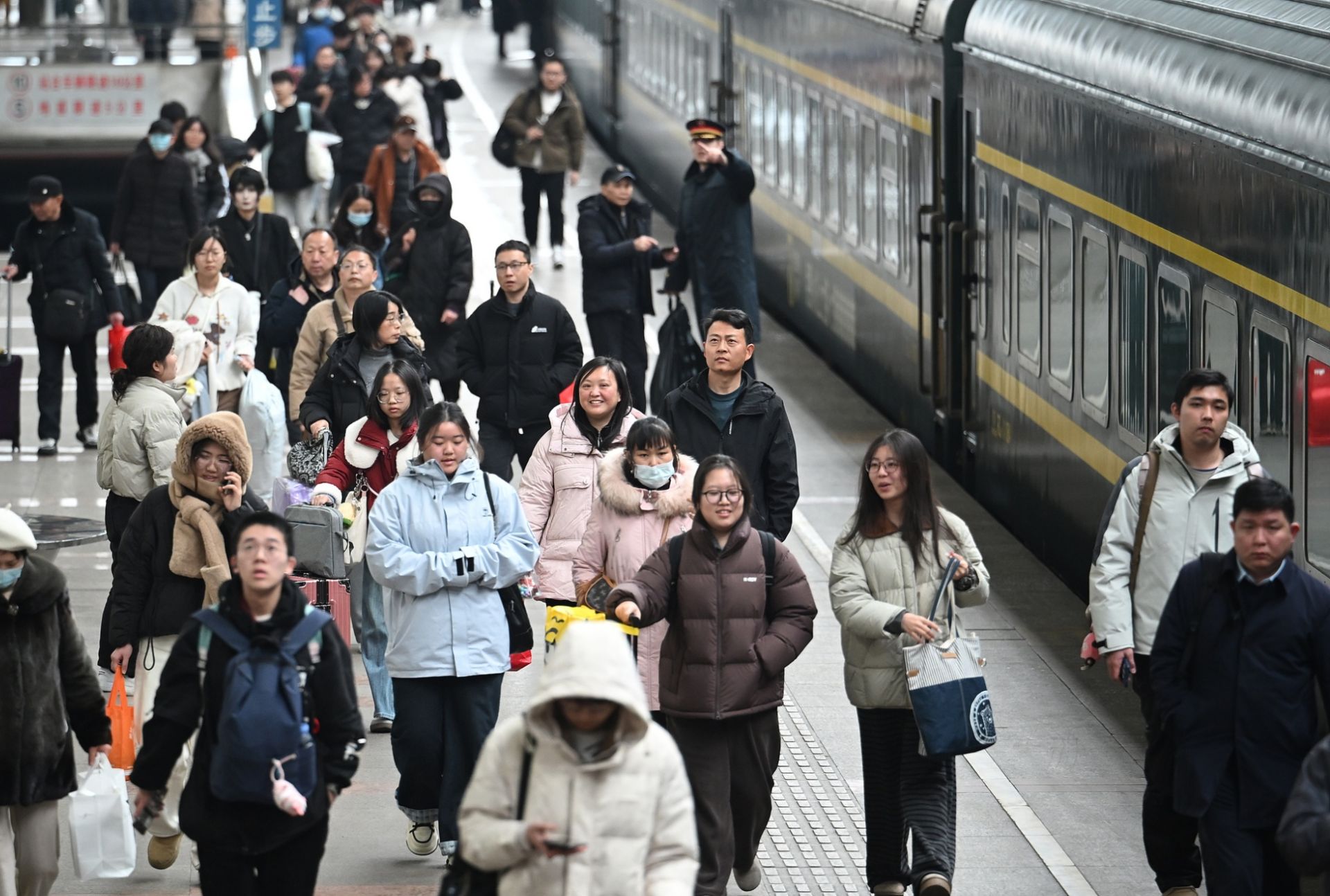
晶采观察丨40天95亿人次出行!今年春运有哪些新趋势、新服务?
Xin Lang Cai Jing· 2026-02-01 01:43
Core Insights - The Spring Festival travel season, known as "Chunyun," will officially start on February 2 and end on March 13, lasting a total of 40 days, with a significant increase in travel demand expected due to a 9-day holiday period [1][3] Group 1: Travel Volume and Trends - The total cross-regional population flow during this year's Spring Festival is projected to reach 9.5 billion trips, marking a historical high [3] - Self-driving remains the dominant mode of travel, accounting for approximately 80% of total trips, while railway and civil aviation passenger volumes are expected to reach 540 million and 95 million, respectively [3] - The introduction of new travel patterns, such as "reverse Spring Festival travel," where parents visit their children's cities for the holiday, indicates a shift towards more flexible travel choices [6] Group 2: Transportation Enhancements - The railway sector has introduced 22 new routes totaling 3,109 kilometers and optimized over 560 train services to enhance passenger convenience [4] - A new train operation schedule will allow for over 14,000 passenger trains to run on peak days, with a 5.3% increase in seating capacity compared to last year [4] - The implementation of a free toll policy for small vehicles on highways during the holiday period aims to facilitate smoother travel [3] Group 3: Customer Service Improvements - The introduction of a "mis-purchase remedy" policy allows travelers to cancel mistakenly purchased train tickets within 30 minutes of payment without incurring a fee, enhancing customer service [7] - A dedicated phone booking service for elderly travelers has been launched, allowing them to receive assistance in purchasing tickets, further improving accessibility [4]

山东高速股份有限公司 2025年第三季度业绩说明会纪要
Zheng Quan Ri Bao· 2025-11-27 23:21
Summary of Key Points Core Viewpoint - The company held a performance briefing on November 27, 2025, to address investor concerns regarding its financial performance and operational strategies for the upcoming periods [1]. Group 1: Financial Impact and Revenue - The revenue from the Weilai Expressway is expected to decrease by 345 million yuan in 2025 due to the cessation of tolls after its expiration on October 18, 2024 [3]. - The JiTai Expressway project is progressing normally, and the impact of construction on revenue has been adequately considered in profit forecasts [3]. - The JiHe Expressway saw a year-on-year revenue increase of 178.59% due to the restoration of two-way traffic, while the revenue from the JiTai Expressway segment decreased by 7.94% due to the expiration of tolls on the JiTai-JiQing connection line [3]. Group 2: Technological Development and Innovation - The company is focusing on "smart highways" and "green low-carbon" technologies, with a commitment to increasing research and development efforts despite a current R&D expense ratio of only 1.76% [4]. - The company is exploring new profit growth points through digital transformation and innovative services, which have already shown significant results in cost reduction and efficiency improvement [4]. Group 3: Capital Structure and Shareholder Returns - The company has experienced high capital expenditures and rising debt levels due to extensive infrastructure projects since 2016, but plans to gradually reduce its debt ratio as these projects are completed and operational [4]. - Future strategies may include asset securitization or the introduction of strategic investors to optimize the capital structure and balance large-scale infrastructure investments with shareholder returns [4]. Group 4: Profitability and Margin Management - The gross profit margin increased by 4.8 percentage points to 31.09% in Q3 2025, primarily due to a reduction in low-margin PPP construction revenue [5]. - The company aims to maintain profitability by focusing on its core business and enhancing the proportion of high-margin assets in its portfolio [5].
