鱼肝油

Search documents
鱼油是“养生神器”还是纯“智商税”?关于鱼油这些误区要避开→
Yang Shi Xin Wen· 2026-02-13 05:07
Core Viewpoint - The article discusses the rising popularity of fish oil in health circles, questioning whether it is a beneficial supplement or merely a "smart tax" with no real health benefits [1][2]. Summary by Sections What is Fish Oil? - Fish oil is derived from fish and is rich in omega-3 fatty acids, particularly EPA (Eicosapentaenoic Acid) and DHA (Docosahexaenoic Acid) [4]. - EPA is known for potentially lowering triglyceride levels, while DHA is crucial for the development of the nervous system and is significant for brain and eye health [4]. Can Fish Oil Prevent Heart Disease? - There is insufficient evidence to support the claim that fish oil can prevent heart disease [5]. - Initial beliefs stemmed from observations of Inuit populations consuming omega-3-rich diets, but further research indicated that genetic factors also play a role in their low heart disease rates [5]. - Numerous studies have produced inconsistent results regarding the effectiveness of fish oil in preventing cardiovascular diseases, with some suggesting it may even be harmful [6][7]. Health Benefits of Fish Oil - Current evidence suggests that fish oil can help regulate triglyceride levels, which is beneficial for patients with coronary heart disease and high triglyceride levels [9]. - DHA and EPA are beneficial for the neurological and visual development of infants [9]. Recommendations on Fish Oil Consumption - If individuals cannot consume 300-500 grams of fish or seafood weekly, fish oil supplements may be a convenient alternative [14]. - The best source of DHA and EPA remains whole foods, as they provide additional nutrients that may contribute to health benefits [14]. - The Chinese dietary guidelines recommend adults consume 120-200 grams of fish weekly, with increased intake for pregnant women [12][15]. Choosing Fish Oil Products - Consumers are advised to select reputable brands and differentiate between fish oil and cod liver oil, as they serve different purposes [16][17]. - It is important to check the concentration of EPA and DHA in fish oil products, as higher concentrations generally indicate better quality [18]. - Recommended daily intake for adults is around 200 mg of DHA, with pregnant women advised to consume 250 mg of DHA and EPA combined [19]. Conclusion - Fish oil should not be overhyped or completely dismissed; a balanced diet rich in omega-3 fatty acids from fish is ideal [21]. - For those unable to meet dietary recommendations, fish oil supplements can be considered, but consumers should be cautious and seek professional advice [21].

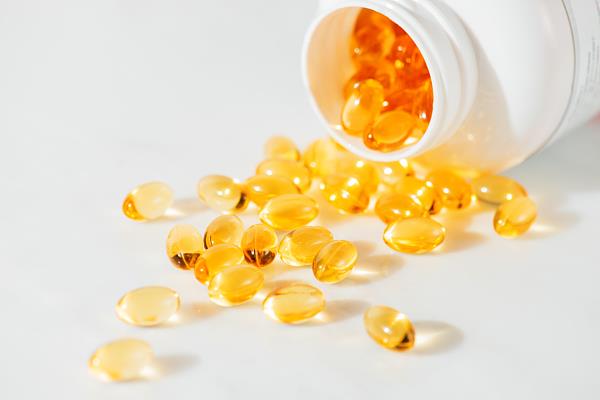
多款“爆款”鱼油实为植物油 养生圈的“鱼油风”要跟吗?
Yang Shi Xin Wen· 2026-01-28 22:49
Core Insights - The recent trend of "explosive" fish oil products being revealed as plant oils has sparked discussions on social media about the efficacy and necessity of fish oil supplements [1] - The core value of fish oil lies in Omega-3 fatty acids, which are essential for the human body and cannot be synthesized by it [1] - The recommended daily intake of EPA and DHA for adults in China is between 250 milligrams and 2000 milligrams [1] Group 1: Efficacy of Fish Oil - EPA has been shown to help lower triglyceride levels in the body, aiding in the regulation of this blood lipid indicator [3] - DHA is a crucial component for the development of nerve system cells, significantly impacting the intellectual and visual development of infants [3] - There is insufficient evidence to support the claim that fish oil can prevent heart disease, with ongoing debates among experts regarding the value of Omega-3 fatty acids in treating heart-related conditions [3] Group 2: Common Misconceptions - Fish oil is not effective for lowering all blood lipid levels; it primarily targets triglycerides, and only prescription fish oil with over 90% purity shows significant effects [5] - Not everyone needs to supplement with fish oil; healthy individuals can obtain sufficient EPA and DHA through dietary sources, which also provide additional nutrients [6] Group 3: Recommendations for Consumption - Adults are advised to consume 300-500 grams of fish or seafood weekly, with deep-sea fish like salmon and herring being particularly high in EPA and DHA [8] - For those unable to consume enough fish, fish oil supplements may be considered, ideally under the guidance of a healthcare professional [8] - Special populations, such as those with liver diseases or on anticoagulants, should avoid fish oil unless under strict medical supervision [8] Group 4: Choosing Fish Oil Products - Focus on the concentration of EPA and DHA in each capsule, as higher concentrations indicate better quality [9] - Distinguish between fish oil and cod liver oil; fish oil is for DHA supplementation, while cod liver oil provides vitamins A and D [9] - Daily intake of EPA and DHA should not exceed 2 grams, and dietary fat intake should be adjusted accordingly to maintain balance [10] - Purchase from reputable sources and look for products with the "blue hat" health food label to minimize risks [11][13]

复兴岛上,姑娘们曾跳起《凤尾鱼之歌》
Xin Lang Cai Jing· 2025-12-28 12:13
Core Viewpoint - The article reflects on the historical significance and transformation of Fuxing Island, highlighting its past as a fishing industry hub and its current redevelopment into an innovation and entrepreneurship zone [8][12]. Group 1: Historical Context - Fuxing Island was home to a fishing company and a fish product factory, which operated without barriers between them, fostering a close-knit community [8][9]. - The fishing company utilized a 300-ton fishing vessel for operations, which underwent significant repairs every four years, allowing workers to enhance their skills while spending time with loved ones [3][4]. - The fish product factory was known for producing fish liver oil, canned fish, and fish meal, with a notable process for extracting fish oil from shark liver and later from other fish [10][11]. Group 2: Current Developments - Fuxing Island is undergoing a transformation as part of the Shanghai Huangpu River waterfront planning, aiming to become an international innovation and entrepreneurship island [12][13]. - The redevelopment includes converting 300,000 square meters of industrial buildings into shared laboratories, concept validation centers, and pilot bases, focusing on cutting-edge fields such as embodied intelligence and future energy [12].