鲜乳茶

Search documents
糖水翻红,还是新茶饮那波人干的
Xin Lang Cai Jing· 2026-02-28 03:44
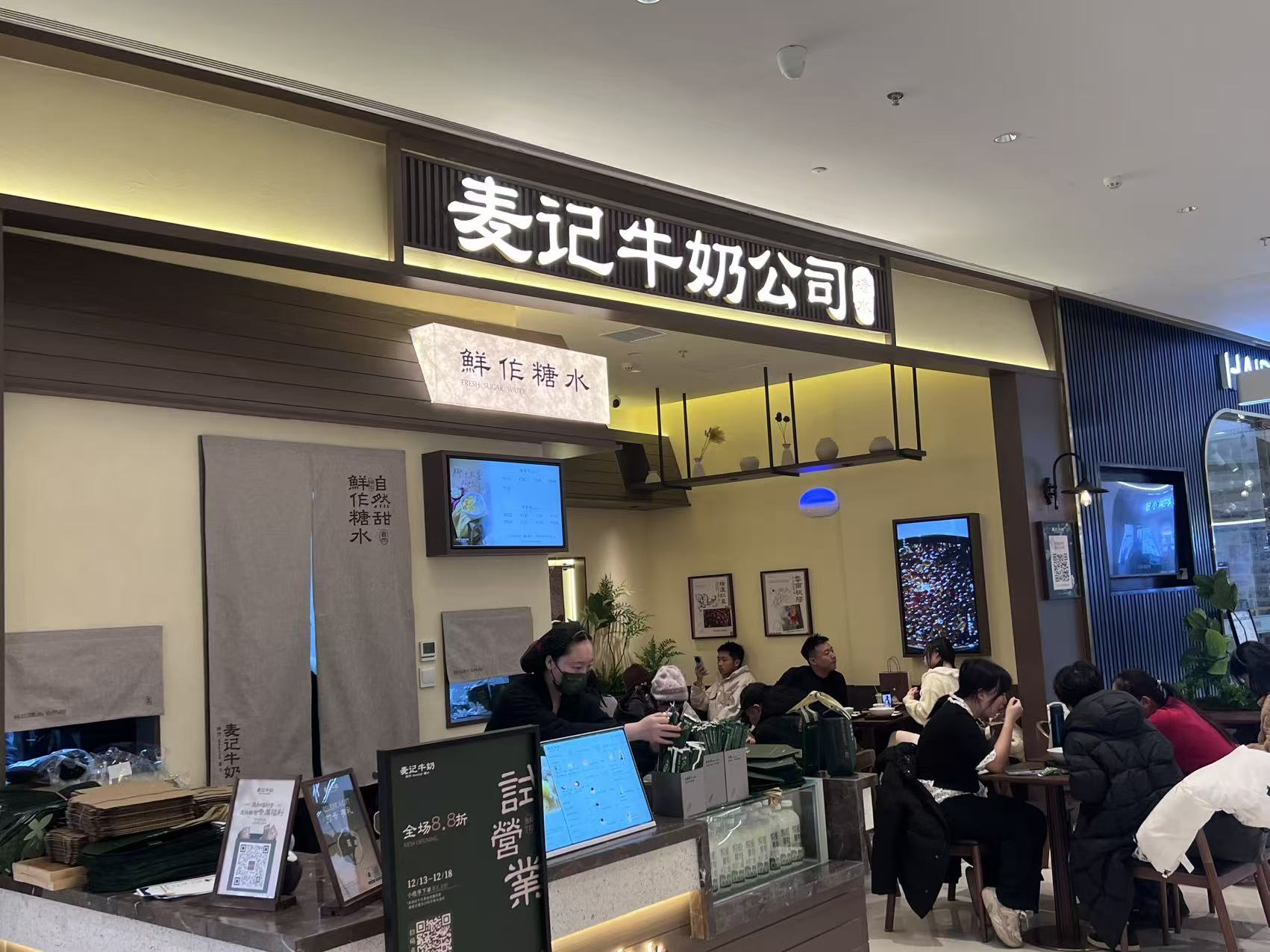
Core Viewpoint - The rise of "new Chinese sugar water" brands indicates a shift in the food and beverage industry, with significant growth potential as established players in the tea beverage sector expand into this category [4][6][20]. Group 1: Market Dynamics - Zhang Hong, a franchisee with nearly ten years of experience, has successfully navigated various food and beverage trends and is now investing in a sugar water brand, indicating renewed interest in this previously overlooked category [1][4]. - The sugar water market has seen rapid expansion, with brands like 麦记牛奶 (Mai Ji Milk) surpassing 1,050 stores in just one year, a notable achievement in the competitive restaurant sector [4][10]. - The entry of established tea brands into the sugar water market reflects a strategy to leverage existing consumer bases and capitalize on the high profit margins associated with sugar water products [6][8]. Group 2: Competitive Landscape - The sugar water segment is characterized by low brand saturation compared to the tea beverage market, presenting an opportunity for new entrants to establish themselves [8][20]. - The concept of "super franchisees" is crucial for rapid expansion, as these entities can manage multiple locations and possess the necessary capital and operational expertise [9][10]. - The competitive landscape is intensifying, with multiple sugar water brands emerging in the same commercial spaces, which could lead to market saturation and impact profitability [19][20]. Group 3: Business Strategy - 麦记牛奶's strategy focuses on rapid expansion, aiming to open 1,000 stores within a year, while also emphasizing the importance of brand recognition and consumer loyalty [14][20]. - The brand's product offering is streamlined, with around 20 SKUs, which enhances standardization and supply chain efficiency [16]. - Future strategies will shift from aggressive expansion to consolidating existing markets and improving operational efficiency in response to a competitive environment [20].

让“小玉”敢创业、“老何”稳经营,沪上阿姨近万店的启示
Xin Jing Bao· 2025-12-25 10:13
Core Viewpoint - The ready-to-drink tea market is rapidly growing, particularly among Generation Z consumers, leading to increased interest in entrepreneurship within this sector [1][3]. Group 1: Market Dynamics - Generation Z shows a strong consumption frequency for ready-to-drink beverages, with 72.6% purchasing them weekly, and 32.1% consuming them every 2-3 days [3]. - The high frequency of consumption makes the new tea beverage sector a preferred choice for many aspiring entrepreneurs [3][4]. - Challenges for new entrants include high initial investment costs, lack of operational experience, and the need for stable profitability post-launch [3][4]. Group 2: Support for Franchisees - To alleviate the financial burden on franchisees, the brand has introduced several promotional policies, including a reduction in franchise fees by 15,000 yuan or 49,800 yuan depending on prior experience [4][5]. - Comprehensive support is provided, including site selection, store design, marketing strategies, and operational guidance, ensuring a smoother startup process for new franchisees [5][6]. - The brand's commitment to supporting franchisees is evident in its willingness to share profit margins during the initial stages of operation [5][6]. Group 3: Product and Supply Chain Innovation - The brand emphasizes product innovation, having launched 136 new products in the first half of 2025, focusing on health and nutrition [7][8]. - A robust supply chain network supports the brand's operations, featuring 13 logistics bases and a comprehensive management system that enhances product quality and operational efficiency [8][9]. - The brand's initiatives aim to create a sustainable and healthy product offering, aligning with market demands for quality and wellness [7][9]. Group 4: Franchisee Ecosystem - The relationship between the brand and franchisees is evolving towards a collaborative model, moving from a management-focused approach to a mutually beneficial partnership [12][13]. - The brand's support system has led to over 5,700 franchisees operating more than 9,400 stores, indicating a successful model for market expansion and brand growth [9][12]. - This ecosystem fosters a positive cycle where franchisees benefit from established operational models and continuous product updates, while the brand gains market penetration and scale [12][13].