麦金塔电脑

Search documents
和不同阶层的人沟通,有一种百试不爽的法则
洞见· 2026-01-01 12:38
Core Viewpoint - The article emphasizes the importance of adapting communication styles based on the social strata of the audience, suggesting that effective communication requires understanding the emotional, logical, or benefit-driven needs of different groups. Group 1: Communicating with Lower-Class Individuals - Communication with lower-class individuals should focus on emotional resonance rather than logic, as their understanding is often driven by immediate emotional feedback rather than complex reasoning [6][9][22] - Examples illustrate that lower-class individuals may reject factual explanations in favor of emotionally charged narratives that align with their beliefs [8][20] - The article highlights that successful communication with this group involves providing emotional outlets and fostering empathy rather than presenting harsh truths [23] Group 2: Communicating with Middle-Class Individuals - Middle-class individuals are more receptive to logical arguments and factual data, making it essential to present well-structured reasoning when engaging with them [25][30] - The article cites Steve Jobs' return to Apple as an example, where he used data-driven analysis to persuade middle management to adopt a focused product strategy, leading to the company's turnaround [27][29] - Effective communication with this group requires a balance of logic and clarity, as they appreciate well-founded arguments over emotional appeals [31] Group 3: Communicating with Upper-Class Individuals - Upper-class individuals prioritize benefits and outcomes over emotional or moral considerations, making it crucial to present clear advantages when communicating with them [33][36] - The article references the partnership between Warren Buffett and Charlie Munger, illustrating how Munger's direct approach focused on investment benefits led to successful outcomes [37][39] - Companies like Netflix exemplify this approach by prioritizing practical benefits and flexibility over rigid adherence to traditional logic or emotional narratives [40][42]


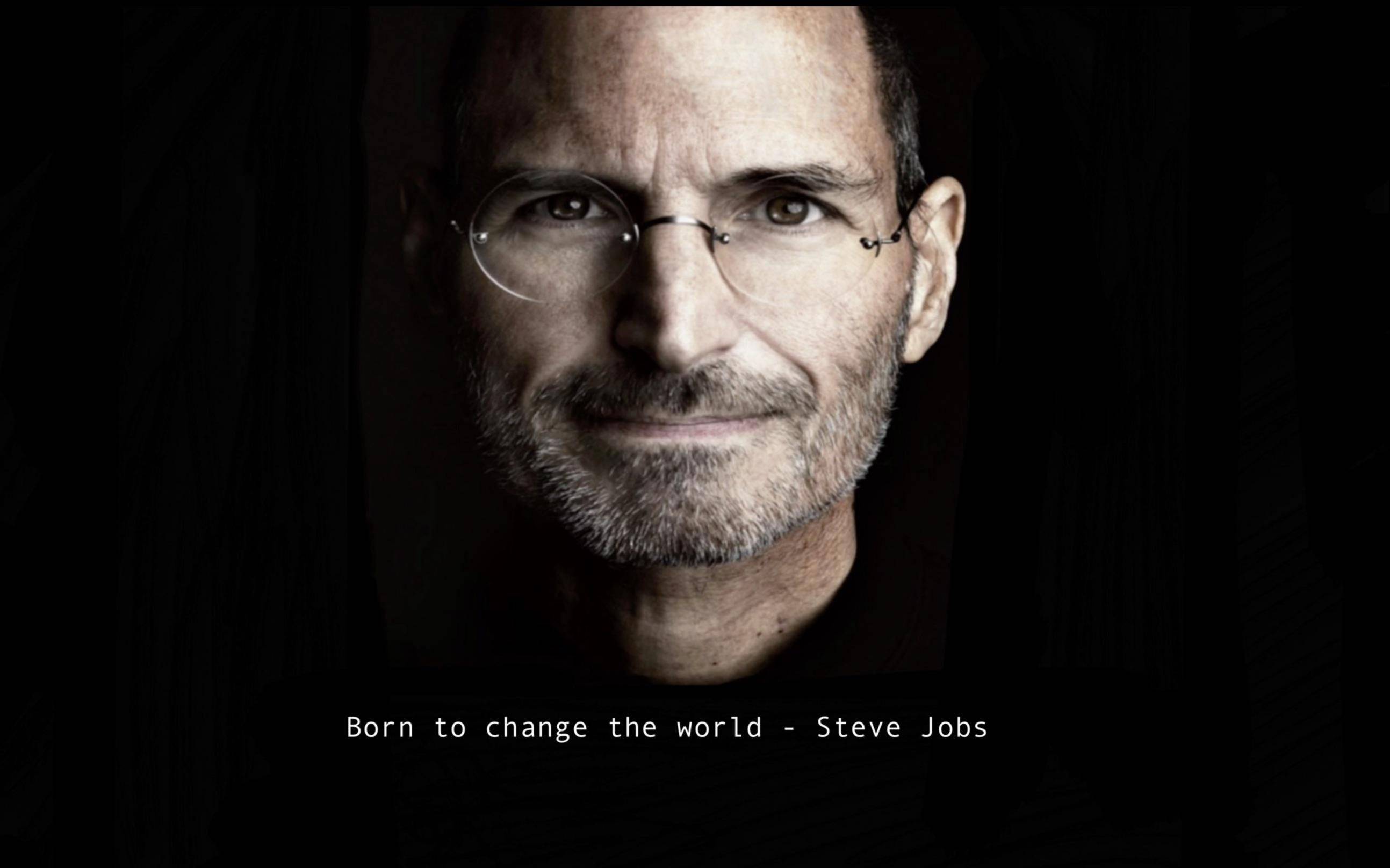
乔布斯:从被逐到王者归来,创业投资的不朽启示
Sou Hu Cai Jing· 2025-09-16 12:06
Core Insights - Steve Jobs' journey exemplifies resilience and vision in the face of adversity, transforming setbacks into opportunities for innovation and growth [2][3][5] Group 1: Early Career and Setbacks - In 1985, Steve Jobs was ousted from Apple, marking a significant setback in his career, which he later transformed into a chance for reinvention [2] - Jobs recruited John Sculley from PepsiCo with a compelling vision, but internal conflicts led to his removal from Apple [2][3] Group 2: Second Ventures - After leaving Apple, Jobs invested millions in Pixar and NeXT, despite initial failures, demonstrating a long-term investment strategy focused on future value [3][4] - Pixar's success with "Toy Story," which grossed $373 million, marked a turning point for both the company and the animation industry [3] Group 3: Return to Apple - Upon returning to Apple in 1997, Jobs implemented the Pareto principle, cutting 70% of the product line to focus on core offerings, leading to a profitable turnaround [4] - The launch of the iMac in 1998 sold 800,000 units in five months, contributing to Apple's profitability of $309 million that year [4] Group 4: Innovation and Growth - Under Jobs' leadership, Apple introduced groundbreaking products like the iPod, iPhone, and iPad, significantly increasing its market value to $350 billion by 2010 [4] - By the time of Jobs' passing in 2011, Apple's market capitalization reached $2.9 trillion, solidifying its status as the most valuable company in history [5] Group 5: Lessons for Entrepreneurs and Investors - Entrepreneurs should maintain unwavering belief in their vision and prioritize innovation to meet evolving consumer demands [5][6] - Investors are encouraged to adopt a long-term perspective, recognizing potential in emerging sectors and diversifying investments to mitigate risks [5]


和不同阶层的人沟通,有一种百试不爽的法则
洞见· 2025-07-03 11:44
Core Viewpoint - The article emphasizes the importance of adapting communication styles based on the social strata of the audience, suggesting that effective communication requires understanding the emotional, logical, or benefit-driven needs of different groups [10][80]. Group 1: Communication with Different Social Strata - Engaging with lower-class individuals should focus on emotional resonance rather than logical arguments, as they prioritize immediate emotional feedback over complex reasoning [12][14][16]. - A real-life example illustrates that a doctor in Africa had to appeal to villagers' emotions rather than scientific facts to persuade them to relocate due to health risks [18][20][30]. - The article states that lower-class individuals often reject uncomfortable truths in favor of simpler emotional narratives [33][34]. Group 2: Communication with Middle-Class Individuals - Middle-class individuals are more receptive to logical arguments and factual evidence, as they prefer reasoned discussions over emotional appeals [41][44]. - The article recounts how Steve Jobs effectively used data and logical reasoning to convince his team to streamline Apple's product line during a financial crisis [45][52]. - It highlights that middle-class individuals require strong logical foundations to accept new ideas and proposals [55][56]. Group 3: Communication with Upper-Class Individuals - Upper-class individuals are primarily motivated by benefits and outcomes, making it essential to focus on the potential returns of proposals rather than emotional or moral arguments [59][60]. - The article references Warren Buffett's collaboration with Charlie Munger, emphasizing that successful communication with upper-class individuals often involves straightforward discussions about investment benefits [61][67]. - It notes that companies like Netflix thrive by prioritizing practical benefits over emotional or logical considerations in their management culture [69][73].