
T恤

Search documents
人民币升至6.8,年内有望冲6.5,老百姓留学、出游更划算
Sou Hu Cai Jing· 2026-02-27 23:18
Group 1 - The offshore and onshore RMB exchange rates against the US dollar have both surpassed the 6.84 mark, marking the entry of the RMB into the "6.8 era" with a midpoint rate of 6.9228, the highest in 34 months since April 2023 [1] - The strong appreciation of the RMB is influenced by a dramatic factor involving the investigation of Federal Reserve Chairman Jerome Powell, which has raised doubts about the independence of the Fed and subsequently affected investor confidence in the US dollar [3][4] - In 2025, China's trade surplus reached $1.189 trillion, making it the first economy to exceed a $1 trillion trade surplus in a single year, contributing approximately 5.5% to China's GDP [8] Group 2 - The appreciation of the RMB has direct effects on ordinary Chinese citizens, with significant savings on expenses for studying abroad and traveling, as the cost of education and travel has decreased due to the stronger currency [7] - The strong RMB has led to increased demand for currency exchange as export companies accumulate substantial dollar positions, with a notable surplus in currency exchange transactions in January 2026 [10] - Different industries are experiencing varied impacts from the RMB appreciation; for instance, airlines benefit from reduced costs in dollar-denominated fuel purchases, while textile manufacturers face squeezed profit margins due to lower returns from exports [10][11] Group 3 - The People's Bank of China is focusing on counter-cyclical adjustments in its exchange rate mechanism, aiming to manage market expectations and prevent excessive fluctuations, rather than pursuing a significant appreciation of the RMB [13] - The strengthening of the RMB indicates a reset in the attractiveness of Chinese assets in global asset allocation, with the stability and potential appreciation of the RMB becoming a key factor in attracting international capital [14]



雅戈尔:目前主品牌雅戈尔四大系列包括行政商务、婚庆、户外休闲及女装
Zheng Quan Ri Bao Wang· 2026-02-27 14:11
Core Viewpoint - The company, Youngor (600177), is adapting to changing consumer trends by expanding its product categories and upgrading its offerings to include seasonal strategic items like T-shirts and down jackets [1] Group 1: Product Categories - Youngor's main brand consists of four major series: business administration, wedding, outdoor leisure, and women's wear [1] - The core product categories include shirts, suits, and trousers [1] Group 2: Strategic Initiatives - The company is implementing a full-category expansion strategy to address shifts in consumer preferences [1] - The transition towards casualization is part of the company's upgrade strategy to meet evolving market demands [1]

2025年上海市嘉定区学生服产品质量监督抽查结果公布
Zhong Guo Zhi Liang Xin Wen Wang· 2026-02-14 04:35
Group 1 - The quality supervision and spot check results for student uniforms in Jiading District, Shanghai, for the year 2025 have been released, indicating that out of 30 batches tested, 2 batches were found to be non-compliant [4][5] - The supervision was conducted by the Jiading District Market Supervision Administration based on the implementation guidelines SHSSXZ0101-2025 for product quality supervision and spot checks of school uniforms [4] - A list of compliant products includes various brands and specifications, such as "学联" and "伊顿纪德," with specific sizes and production details provided [4][5] Group 2 - The non-compliant products identified in the supervision include a student uniform from "乔安" and a summer set (T-shirt and shorts) from "小莹星," both of which did not meet quality standards [5] - The report highlights the importance of maintaining product quality in the educational apparel sector, reflecting on the regulatory efforts to ensure compliance [4][5]
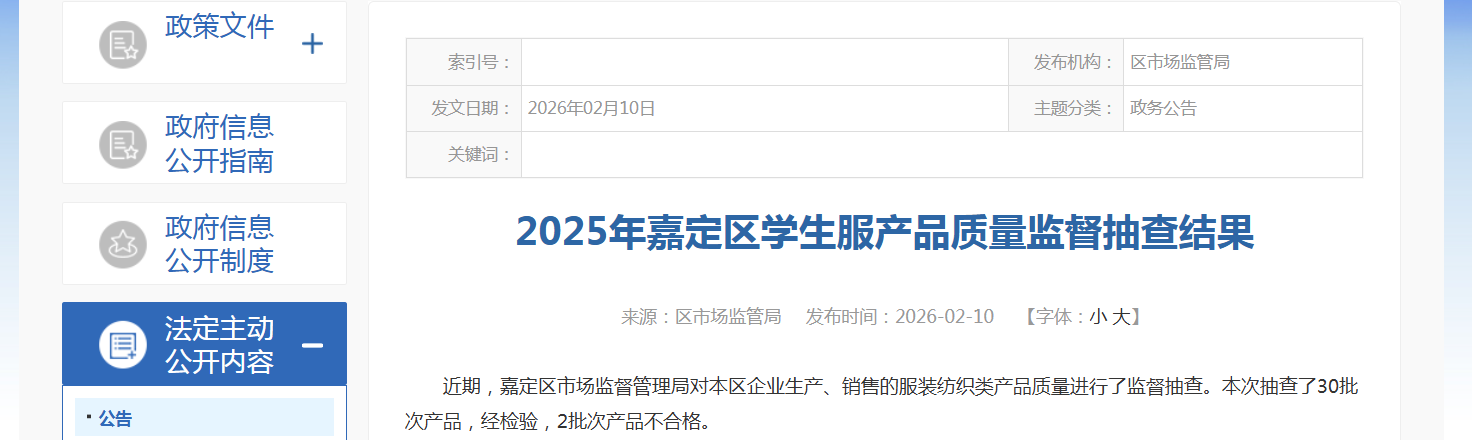
关税战,中国打了漂亮一仗,外媒:美国海关公布豁免清单
Sou Hu Cai Jing· 2026-02-10 04:56
Core Viewpoint - The article discusses the contentious trade war initiated by former President Trump against China, highlighting the retaliatory measures taken by China and the eventual pressure it exerted on the U.S. to reconsider its tariff policies [1][3][9]. Group 1: Tariff War Dynamics - Trump weaponized tariffs against various countries, particularly China, claiming that U.S. tariffs were lower than those of other nations, which led to a tit-for-tat tariff battle [1][6]. - China's steadfast countermeasures forced Trump to retreat, as evidenced by the U.S. Customs exemption list that included Chinese goods, indicating a shift in U.S. stance [3][19]. - The U.S. imposed tariffs as high as 145% on Chinese goods, while China retaliated with tariffs of 125%, showcasing the escalating nature of the trade conflict [11][14]. Group 2: Economic Implications - The trade war has significant implications for U.S. manufacturing, as many American companies rely on Chinese production for core products, making the tariffs effectively a tax on U.S. consumers [22][23]. - Trump's initial goal of revitalizing U.S. manufacturing through tariffs has proven counterproductive, as the U.S. continues to depend on Chinese manufacturing capabilities [23][30]. - The recent adjustments in U.S. tariff policies, including the suspension of new tariffs due to a purported system failure, suggest a desire to de-escalate tensions with China [14][16].
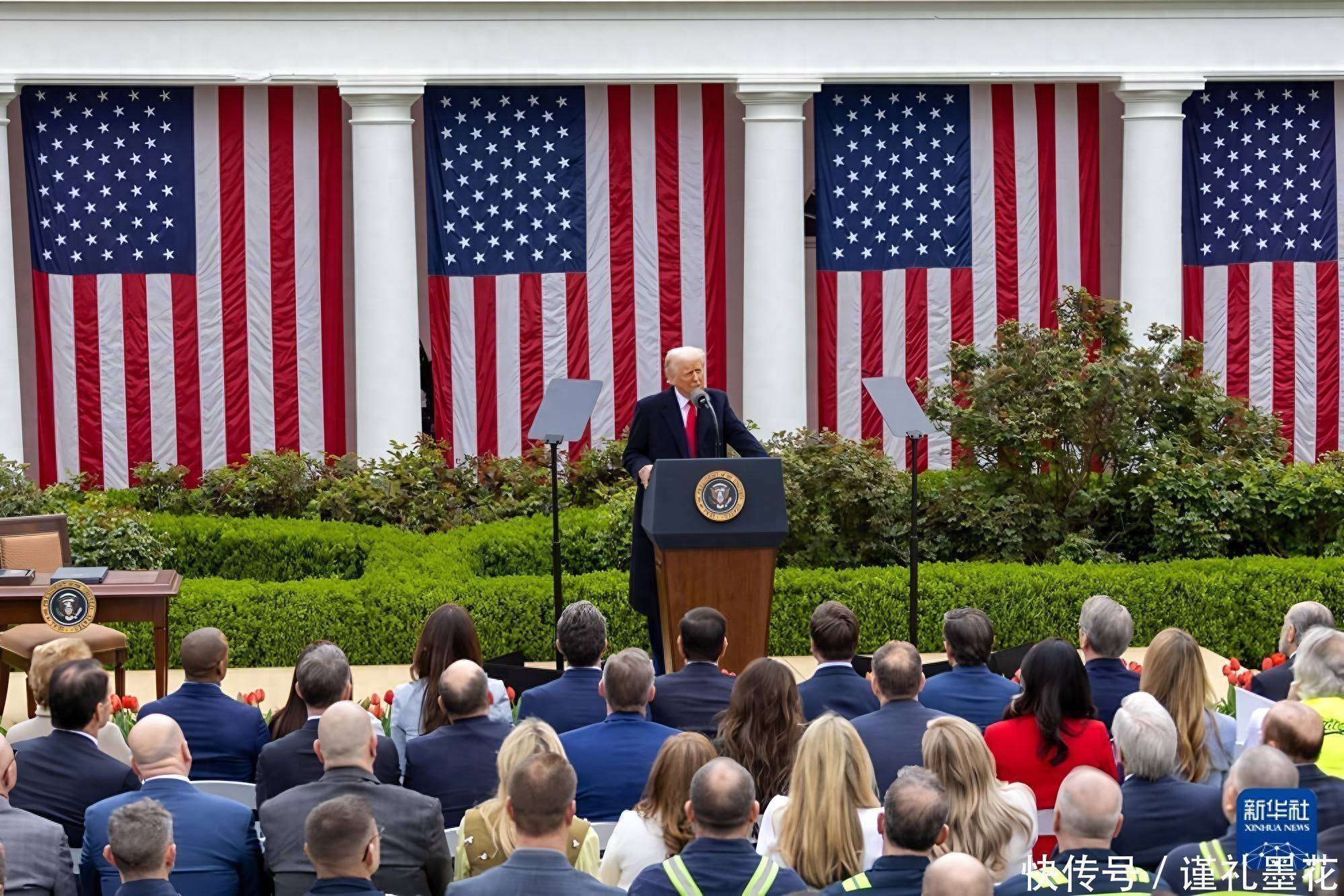
当冬奥会来到时尚之都米兰,开幕式上演“羽绒服时装周”
Di Yi Cai Jing· 2026-02-07 00:39
Core Insights - The 2026 Milan-Cortina Winter Olympics is fostering an unprecedented fusion between sports and luxury brands, attracting broader commercial collaborations [1][3] - This event marks Italy's fourth time hosting the Olympics, with Milan being a global fashion hub and Cortina d'Ampezzo known for its skiing facilities [1] Group 1: Fashion and Design - Armani's collaboration with the Italian Olympic team continues, featuring a new white-themed outfit designed by its EA7 brand, moving away from the previously used dark blue [4][6] - The design reflects the purity of the Dolomites and includes elegant details such as the 'Italia' embroidery and refined accessories [6] - The Chinese team has switched from Anta to Li Ning for their official attire, showcasing a lighter blue color scheme for the opening ceremony [7][8] Group 2: Brand Collaborations - Li Ning has become the official sportswear partner for the Chinese Olympic Committee from 2025 to 2028, with a design featuring traditional patterns [8] - Canadian team uniforms, designed by Lululemon, have gained attention for their innovative designs and color gradients, emphasizing inclusivity for the Paralympics [10] - Ralph Lauren continues its partnership with the U.S. team, blending classic American style with Italian craftsmanship for the opening and closing ceremony outfits [10] Group 3: Luxury Market Trends - The trend of "Ath-Luxury" is emerging, with luxury brands like Prada and Moncler actively engaging in the sports sector through new store openings and sponsorships [11] - Moncler is sponsoring the Brazilian team for the first time since 1968, marking its return to the Olympic stage [11] - The design competition for the uniforms of award ceremony staff was won by students from Brera Academy, showcasing Italian elegance [12]
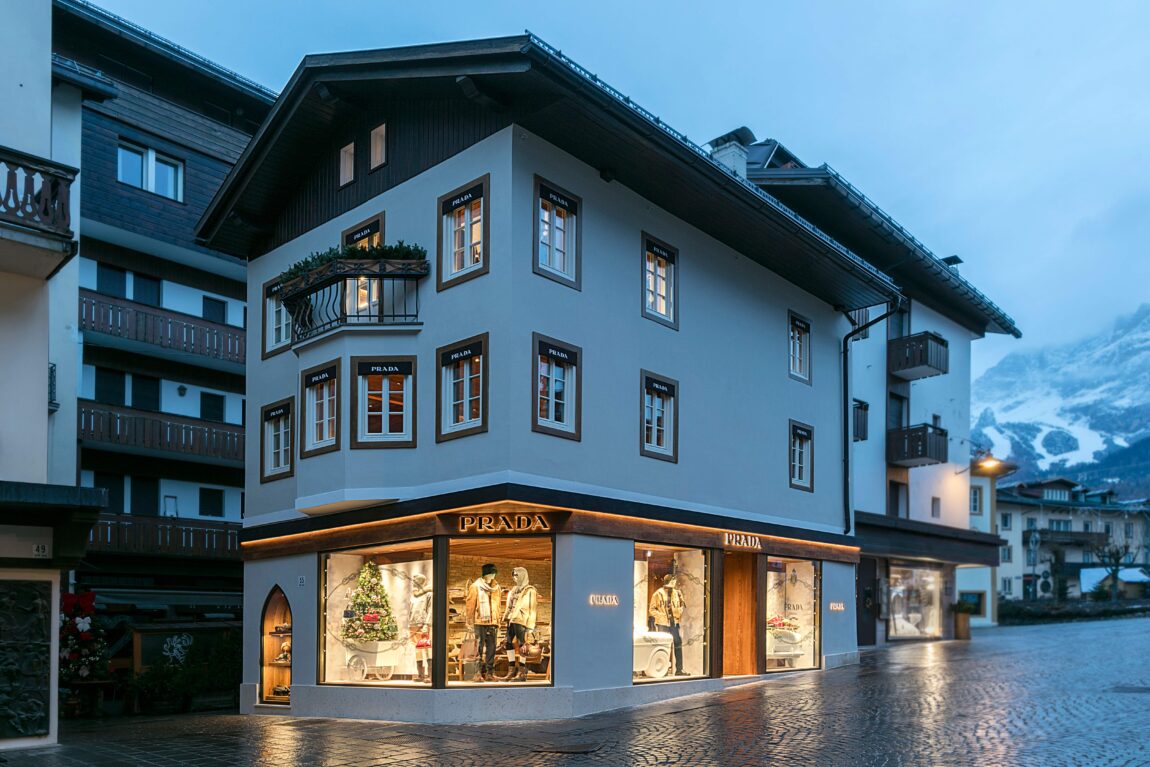
泡泡玛特要在伦敦设立欧洲总部
Bei Jing Ri Bao Ke Hu Duan· 2026-01-31 07:30
Group 1 - The core message of the news is that Pop Mart has announced London as its European headquarters and plans to open seven new physical stores in the UK, creating over 150 jobs [1] - Pop Mart aims to integrate global creative resources and collaborate with talented artists in Europe to enhance the value of its IP and promote cultural exchange between China and foreign markets [1] - The company has reported significant growth in its European operations, with revenue reaching 480 million yuan, a year-on-year increase of 729.2% [3] Group 2 - Pop Mart operates over 570 stores across 18 countries globally, with ongoing expansion in the Middle East and other emerging markets [3] - The European market for Pop Mart is evolving, with consumers showing a broader interest in various products beyond just new store openings and the Labubu IP [3] - Lifestyle-related merchandise, such as T-shirts, blankets, cushions, and jewelry, is becoming increasingly popular in the European market [3]

从UP主到CEO,影视飓风Tim的管理进化
混沌学园· 2026-01-20 12:11
Core Insights - The article discusses the journey of the content creation company "影视飓风" (Film Storm), highlighting its rapid growth, challenges in management, and the lessons learned from its experiences [4][32]. Group 1: Company Growth and Influence - "影视飓风" achieved significant popularity, with its main account on Bilibili amassing 14.82 million followers and a total of over 28.12 million followers across platforms by January 2026 [2]. - The company generated over 100 million in revenue in 2024 and became a "cash cow" in e-commerce, selling 200,000 T-shirts in 2025 [4]. Group 2: Management Challenges - Initially, the company operated with a flat management structure, leading to overwhelming pressure on the founder, Tim, as all decisions fell on him [8][9]. - Tim faced severe management difficulties, which nearly led to the company's collapse due to a lack of clear roles and responsibilities [7][12]. Group 3: E-commerce Struggles - The e-commerce segment faced significant challenges, including poor product selection and inventory management, which resulted in financial losses [14][15]. - Tim's reliance on personal judgment for e-commerce decisions became a risk as the company scaled, highlighting the need for a systematic approach [18][19]. Group 4: Lessons Learned - Tim learned that management issues often stem from systemic problems rather than individual mistakes, emphasizing the importance of establishing clear rules and structures [26][30]. - The company adopted project management tools to enhance communication and efficiency, which helped address previous operational chaos [27]. Group 5: Organizational Evolution - The article concludes that as the company grew, the ability to adapt and improve organizational structures became crucial for sustained success [32].

以文化为罗盘,穿越高速增长之旅
3 6 Ke· 2026-01-16 03:58
Core Insights - The article illustrates the unique corporate culture of On, a Swiss sports brand, which has evolved from a small startup to a multinational company with over 2,600 employees listed on the NYSE in just ten years [2] - The company emphasizes a collaborative and autonomous work environment, guided by its five core values known as "Spirits" [2][3] Group 1: Five Core Values - **Explorer Spirit**: This value promotes curiosity and an entrepreneurial mindset, encouraging employees to take smart risks and innovate without being constrained by rules [3] - **Athlete Spirit**: It emphasizes the pursuit of excellence while recognizing the importance of rest and recovery, highlighting employee well-being and work-life balance [4][10] - **Team Spirit**: Defined by collaboration, this spirit fosters trust, transparency, and respect among team members, allowing for decision-making autonomy [5][13] - **Positive Spirit**: This value embodies a mindset of "everything is possible," encouraging employees to spread positivity, which is seen as contagious [6][14] - **Survivor Spirit**: It guides the company's choices towards sustainability and environmental protection [7][16] Group 2: Company Growth and Strategy - On has experienced exponential revenue growth, reaching 1.79 billion Swiss francs in 2023, and views the increased attention from being publicly listed as a positive pressure to perform better [14] - The leadership team operates on a "five-partner" model, where each member plays a distinct role, fostering a complementary dynamic that enhances decision-making and communication [12][13] - The company aims to position itself as a top-tier premium sports apparel brand, focusing on sustainability and innovation to differentiate itself from both mass-market brands like Nike and luxury brands like Lululemon [16]

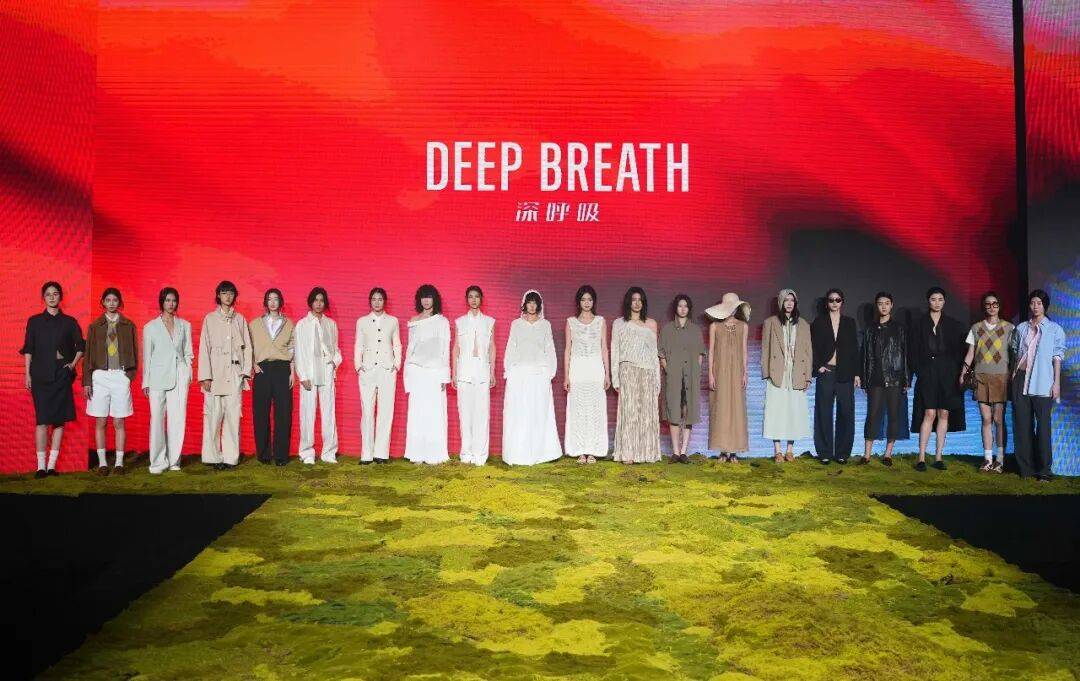
开店近500家,年销数十亿,拆解深呼吸女装的全渠道协同增长密码
Sou Hu Cai Jing· 2026-01-16 03:16
Core Insights - DEEP BREATH has opened nearly 500 stores and achieved annual sales in the billions, leveraging a comprehensive retail ecosystem [2][16] - The brand represents a shift in consumer behavior towards rational consumption, focusing on comfort, practicality, and value rather than emotional premium associated with brands [2][4] Product Strategy - DEEP BREATH continues to emphasize high-quality materials at affordable prices, aligning with trends in rational consumption and sustainable fashion [6] - The brand's core philosophy revolves around "comfortable dressing," aiming to provide urban women with practical wardrobe solutions [6] - The strategic focus on wool and cashmere has helped establish trust and recognition in the market, with competitive pricing of 100% cashmere sweaters at 380 RMB and 100% Australian merino wool sweaters at 200 RMB [7] Market Performance - DEEP BREATH has achieved significant market recognition, ranking first in sales and customer satisfaction for women's wool and cashmere sweaters [9] - The brand's sales performance during major shopping events, such as achieving nearly 1 billion RMB in GMV during the 2025 Double 11, reflects its strong market presence [18] Product Range Expansion - The brand targets urban women aged 25-45, focusing on practical and versatile clothing options, and has expanded its product range to include various categories such as outerwear, pants, and shirts [10] - DEEP BREATH emphasizes durability and versatility in its products, using high-quality materials and sustainable practices [12] Retail Strategy - DEEP BREATH has established a dual-channel sales system, integrating online and offline platforms to enhance customer experience and conversion rates [14][17] - The brand's offline stores are strategically located in high-traffic urban areas, designed to reflect the brand's philosophy and enhance customer engagement [15][16] Marketing and Brand Building - The brand focuses on long-term brand value through public engagement activities, collaborations with artists, and partnerships with fashion media to enhance visibility [20][23] - DEEP BREATH aims to build a stable brand recognition through consistent and multi-dimensional content output rather than short-term promotional bursts [25]
九牧王涨2.15%,成交额3.77亿元,主力资金净流出20.49万元
Xin Lang Zheng Quan· 2026-01-09 06:09
Core Viewpoint - Jiumuwang's stock price has shown volatility with a recent increase of 5.11% year-to-date, despite a decrease of 4.37% over the past 20 days, indicating mixed market sentiment towards the company [1]. Group 1: Stock Performance - On January 9, Jiumuwang's stock rose by 2.15%, reaching 13.78 CNY per share, with a trading volume of 3.77 billion CNY and a turnover rate of 4.85%, resulting in a total market capitalization of 79.18 billion CNY [1]. - The stock has increased by 5.11% since the beginning of the year and has experienced a significant rise of 56.95% over the past 60 days [1]. Group 2: Financial Performance - For the period from January to September 2025, Jiumuwang reported a revenue of 2.13 billion CNY, reflecting a year-on-year decrease of 6.02%, while the net profit attributable to shareholders increased by 129.63% to 310 million CNY [2]. - The company has distributed a total of 5.09 billion CNY in dividends since its A-share listing, with 402 million CNY distributed over the past three years [3]. Group 3: Shareholder Information - As of September 30, 2025, the number of shareholders for Jiumuwang decreased by 6.01% to 14,200, while the average number of circulating shares per person increased by 6.40% to 40,410 shares [2]. - Notably, Hong Kong Central Clearing Limited has exited the list of the top ten circulating shareholders [3].
