
黄芪炖鸡汤

Search documents
天气转寒,老年人该如何养生防病?(健康驿站)
Ren Min Ri Bao Hai Wai Ban· 2025-10-30 23:22
Core Viewpoint - The article emphasizes the importance of health management for the elderly during the autumn and winter seasons, highlighting various traditional Chinese medicine (TCM) practices and dietary recommendations to enhance their well-being and prevent common health issues [2][3][4]. Group 1: Health Issues in the Elderly - Common health problems among the elderly include multiple chronic diseases such as hypertension, diabetes, and coronary heart disease, as well as functional decline and frailty syndromes [3][4]. - TCM advocates for a holistic approach to elderly health management, focusing on the interconnectedness of bodily systems rather than treating ailments in isolation [3][4]. Group 2: Preventive Measures for Seasonal Illness - To enhance resistance against seasonal illnesses like influenza, TCM suggests strengthening the body's "zhengqi" (vital energy) through dietary adjustments, such as consuming chicken soup with astragalus and yam porridge [4]. - Regular moderate exercise is recommended to stimulate energy flow and improve overall health, alongside proper clothing and emotional stability [4]. Group 3: Pain Management Techniques - For common issues like lower back and leg pain, TCM recommends techniques such as acupressure and moxibustion, as well as gentle exercises to strengthen muscles and improve circulation [5][14]. - Specific acupressure points are highlighted for pain relief, and the importance of maintaining muscle strength through regular, gentle exercise is emphasized [5][14]. Group 4: Emotional Well-being - The article discusses the tendency for elderly individuals to experience low moods during autumn, suggesting that emotional support and engagement in community activities can help alleviate these feelings [6]. - TCM emphasizes the role of emotional health in physical well-being, advocating for nurturing relationships and hobbies to support mental health [6]. Group 5: Addressing Dryness and Nutritional Needs - Many elderly individuals suffer from symptoms of dryness, attributed to "yin deficiency" in TCM, which can be addressed through dietary choices that promote moisture and nourishment [7][8][9]. - Recommended foods include herbal teas and soups that help generate bodily fluids, alongside lifestyle adjustments to maintain a balanced environment [9][10]. Group 6: Sleep Improvement Strategies - Sleep disturbances are common among the elderly, with TCM suggesting dietary remedies and acupressure techniques to promote better sleep quality [11][12]. - Family support and maintaining a regular sleep schedule are also highlighted as crucial factors in improving sleep among the elderly [11][12]. Group 7: Exercise Guidelines - The article outlines that exercise for the elderly should be tailored to individual health conditions, with a focus on gentle activities that do not overexert the body [14]. - Recommendations include practicing Tai Chi and other low-impact exercises to enhance physical health while ensuring safety [14].

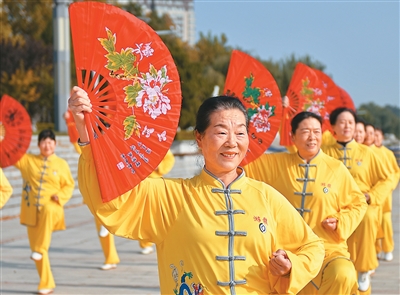
九九重阳至,中医支招老年人养生防病
Xin Hua Wang· 2025-10-29 07:48
Core Viewpoint - The article emphasizes the importance of traditional Chinese medicine (TCM) in promoting health and preventing diseases among the elderly, particularly during the Double Ninth Festival, a day dedicated to honoring the elderly in China [1]. Group 1: Health Management for the Elderly - TCM views health issues in the elderly as an imbalance during the "aging" phase of life, primarily caused by deficiencies in organ function, especially kidney essence and spleen-stomach function [1][2]. - TCM aims to manage elderly health by addressing kidney essence deficiency and spleen weakness to help the elderly avoid or delay illnesses [1]. Group 2: Dietary Recommendations - A balanced diet is crucial for elderly health, with recommendations for regular meal times, moderate portions, and easily digestible foods like yam and barley porridge [2]. - Specific food therapies include warm, soft, and light meals, and methods such as massaging acupoints to enhance digestion [2]. Group 3: Pain Management - Common issues like lower back and leg pain can be alleviated through simple methods such as acupoint massage and herbal hot compresses [2]. - Regular exercise to strengthen leg muscles is also advised [2]. Group 4: Sleep Issues - Insomnia in the elderly is linked to physical weakness and stagnation, with recommendations for dietary remedies and acupoint pressure to promote better sleep [2]. - Lifestyle adjustments, such as avoiding screens before bed and limiting strong tea intake in the afternoon, are suggested [2]. Group 5: Seasonal Health Considerations - Elderly individuals are advised to use TCM methods to prevent seasonal illnesses, particularly during autumn and winter when they are more susceptible to colds [3]. - Emotional well-being is also highlighted, with suggestions for activities that can help alleviate feelings of sadness and promote social interaction [3]. Group 6: Individualized Health Approaches - TCM emphasizes a personalized approach to health management, noting that not all general advice, such as post-meal walking, is suitable for every elderly individual, especially those with cardiovascular conditions [4]. - Specific dietary and exercise recommendations are provided for elderly individuals with chronic conditions like hypertension and diabetes [4].