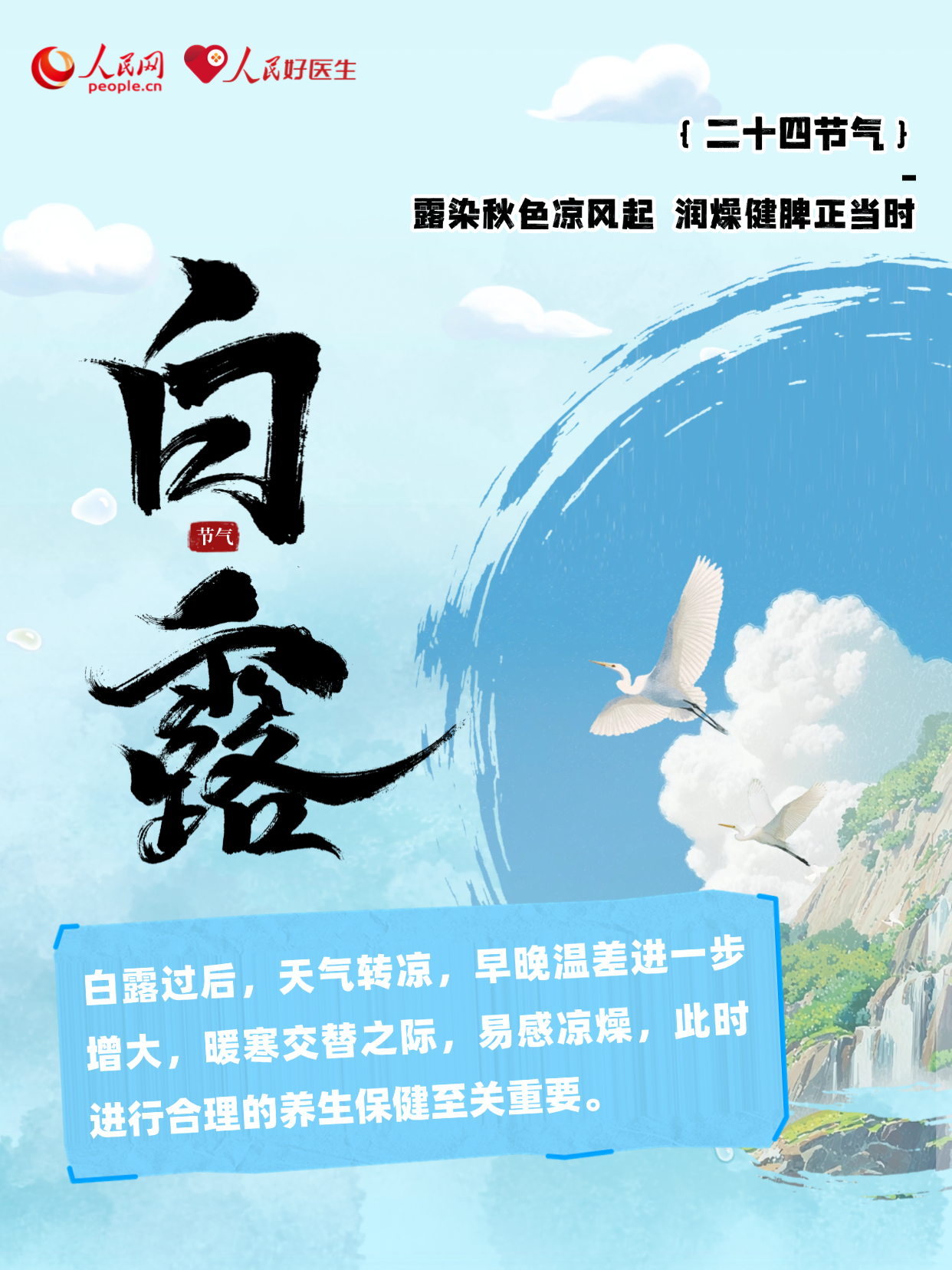
山药粥

Search documents
天气转寒,老年人该如何养生防病?(健康驿站)
Ren Min Ri Bao Hai Wai Ban· 2025-10-30 23:22
Core Viewpoint - The article emphasizes the importance of health management for the elderly during the autumn and winter seasons, highlighting various traditional Chinese medicine (TCM) practices and dietary recommendations to enhance their well-being and prevent common health issues [2][3][4]. Group 1: Health Issues in the Elderly - Common health problems among the elderly include multiple chronic diseases such as hypertension, diabetes, and coronary heart disease, as well as functional decline and frailty syndromes [3][4]. - TCM advocates for a holistic approach to elderly health management, focusing on the interconnectedness of bodily systems rather than treating ailments in isolation [3][4]. Group 2: Preventive Measures for Seasonal Illness - To enhance resistance against seasonal illnesses like influenza, TCM suggests strengthening the body's "zhengqi" (vital energy) through dietary adjustments, such as consuming chicken soup with astragalus and yam porridge [4]. - Regular moderate exercise is recommended to stimulate energy flow and improve overall health, alongside proper clothing and emotional stability [4]. Group 3: Pain Management Techniques - For common issues like lower back and leg pain, TCM recommends techniques such as acupressure and moxibustion, as well as gentle exercises to strengthen muscles and improve circulation [5][14]. - Specific acupressure points are highlighted for pain relief, and the importance of maintaining muscle strength through regular, gentle exercise is emphasized [5][14]. Group 4: Emotional Well-being - The article discusses the tendency for elderly individuals to experience low moods during autumn, suggesting that emotional support and engagement in community activities can help alleviate these feelings [6]. - TCM emphasizes the role of emotional health in physical well-being, advocating for nurturing relationships and hobbies to support mental health [6]. Group 5: Addressing Dryness and Nutritional Needs - Many elderly individuals suffer from symptoms of dryness, attributed to "yin deficiency" in TCM, which can be addressed through dietary choices that promote moisture and nourishment [7][8][9]. - Recommended foods include herbal teas and soups that help generate bodily fluids, alongside lifestyle adjustments to maintain a balanced environment [9][10]. Group 6: Sleep Improvement Strategies - Sleep disturbances are common among the elderly, with TCM suggesting dietary remedies and acupressure techniques to promote better sleep quality [11][12]. - Family support and maintaining a regular sleep schedule are also highlighted as crucial factors in improving sleep among the elderly [11][12]. Group 7: Exercise Guidelines - The article outlines that exercise for the elderly should be tailored to individual health conditions, with a focus on gentle activities that do not overexert the body [14]. - Recommendations include practicing Tai Chi and other low-impact exercises to enhance physical health while ensuring safety [14].

白露至,秋意浓!润燥健脾正当时
Ren Min Wang· 2025-09-07 01:42
Core Viewpoint - The article emphasizes the importance of health maintenance during the autumn season, particularly after the "White Dew" solar term, as the weather becomes cooler and the temperature difference between day and night increases [1]. Group 1: Seasonal Changes and Health - The "White Dew" solar term marks the transition into autumn, indicating significant temperature changes in nature [1]. - After "White Dew," the weather turns cooler, and the temperature difference between day and night becomes more pronounced, making it essential to focus on health maintenance [1]. Group 2: Health Recommendations - It is advised to go to bed before 10 PM to ensure adequate sleep during this season [8]. - To protect against cold, individuals should dress warmly, especially covering key areas such as the abdomen, back, feet, and shoulders [13]. - Exercise should be timed appropriately, avoiding heavy or late workouts to prevent exposure to cold and dew [14]. Group 3: Dietary Suggestions - The dry climate during the "White Dew" period can lead to symptoms like dry mouth, cracked skin, and constipation, necessitating a focus on nourishing foods [16]. - It is recommended to consume foods that are mild and nourishing, such as yam, red dates, and glutinous rice, while avoiding overly spicy foods that can harm the body's energy [18].