治未病

Search documents
猝死多发,院士发声
第一财经· 2026-03-26 10:18
Core Viewpoint - The article emphasizes the increasing concern over heart health in society, particularly following recent high-profile cases of sudden cardiac deaths, and advocates for early identification and prevention of cardiovascular diseases through education and systemic management [3][4]. Group 1: Cardiovascular Health Awareness - Recent incidents of sudden cardiac deaths, including those of a popular teacher and a trust chairman, have heightened public awareness of heart health [3]. - The establishment of over 5,000 chest pain centers in China has significantly reduced the in-hospital mortality rate from myocardial infarction from approximately 10% to 3.7% over the past 13 years [3]. Group 2: Preventive Measures and Education - The "one drag six" emergency education plan for elementary school students aims to teach them how to recognize cardiac arrest, call emergency services, perform CPR, and use AEDs, thereby reducing the risk of sudden cardiac death [3]. - The article highlights the importance of shifting the focus from merely treating diseases to preventing them through early intervention and health risk identification [4]. Group 3: Lifestyle Factors and Young Adults - Cardiovascular diseases are increasingly prevalent among younger populations, particularly those under 45, often linked to unhealthy lifestyle choices such as smoking, late nights, and prolonged sitting [4][5]. - Emotional factors, including stress and anxiety, are identified as significant contributors to cardiovascular risks in younger patients, with the advice to avoid late nights as each instance negatively impacts heart health [5]. Group 4: Exercise and Health Assessments - While regular and scientific marathon training can benefit most healthy individuals, there are risks associated with inadequate preparation or underlying health conditions, particularly for participants over 40 [5]. - Pre-exercise cardiovascular health assessments are recommended for older adults to mitigate risks associated with high-intensity activities [5].


中医体质判定首个“国标”来了
Ren Min Ri Bao· 2026-02-27 03:05
Core Viewpoint - The newly released national standard for Traditional Chinese Medicine (TCM) constitution classification and identification aims to provide a unified framework for identifying and categorizing nine basic constitution types, enhancing the precision and scientific nature of TCM services [1][2]. Group 1: National Standard Development - The national standard is an upgraded version of the previous group standard, simplifying the tools for constitution collection, identification, and judgment, reducing the average completion time from 11.6 minutes to 4.23 minutes [2]. - The new standard is based on approximately 400,000 epidemiological surveys and incorporates the latest TCM constitution research findings from 2009 to 2024, with updates made in collaboration with evidence-based medicine experts [2]. Group 2: Application and Impact - The TCM constitution identification has been widely applied in over 1,700 secondary and higher TCM hospitals across the country, with more than 570 million applications in grassroots healthcare institutions [1]. - The standardization of TCM constitution classification is expected to enhance public health services, allowing residents to understand their constitution types through simple self-assessment tools, leading to personalized adjustments in diet, exercise, and lifestyle [2][3]. Group 3: Strategic Importance - The establishment of the national standard reflects the modern development of TCM and its integration into the contemporary health service system, supporting the "Healthy China" strategy [3]. - The initiative aims to improve national health literacy and optimize health service models, ensuring that TCM wisdom benefits the entire population [3].
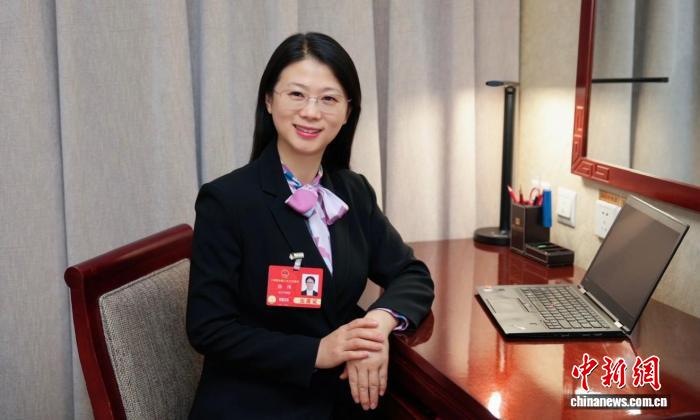
全国人大代表陈玮:为“一老一小”发出好声音
Zhong Guo Xin Wen Wang· 2026-02-25 23:20
Group 1: Elderly Care and Education - The representative Chen Wei highlights the severe shortage of elderly care professionals in China, with over 40 million elderly individuals requiring care but only about 500,000 certified caregivers available, indicating a demand gap of millions [3] - Chen suggests expanding educational programs for elderly care, encouraging universities to establish specialized courses, and implementing "order-based training" to address the imbalance in supply and demand for elderly care professionals [3] - The proposal includes improving salary structures linked to care levels and years of service to enhance the attractiveness of the elderly care profession [3] Group 2: Long-term Care Insurance - Chen notes that Zhejiang province has 53.03 million participants in its long-term care insurance (LTCI) program, which is recognized for its comprehensive coverage and standardized benefits [3] - She advocates for accelerating legislative research on LTCI, proposing that it be recognized as the sixth type of insurance when conditions permit [3] Group 3: Sexual Education - Chen emphasizes the importance of sexual education as a foundational aspect of life education, aiming to instill respect for the body and understanding of life origins in children [5] - She argues that misconceptions about sexual education contribute to societal resistance, and advocates for a more inclusive approach to help youth understand self-protection and respect for others [5] - Chen highlights the need for ongoing life education, including sexual education, to address rising mental health issues among youth [5] Group 4: Traditional Chinese Medicine (TCM) - Chen focuses on the preservation and transmission of folk TCM practices, which are at risk of being lost due to the aging of practitioners and lack of formal documentation [6] - She identifies three main challenges: the aging of skilled practitioners, barriers to legal practice for many folk TCM practitioners, and the superficial transmission of techniques without theoretical development [6] - Chen advocates for higher education institutions and research organizations to play a role in the theoretical enhancement and scientific validation of folk TCM practices [6]
科学与健康丨规范“治未病” 中医体质判定首个“国标”来了
Xin Lang Cai Jing· 2026-02-15 13:47
Core Viewpoint - The introduction of the first national standard for Traditional Chinese Medicine (TCM) constitution classification and determination aims to enhance the precision and scientific nature of health services, facilitating the "preventive treatment" approach in healthcare [1][2]. Group 1: National Standard Implementation - The newly published national standard provides a unified classification system for TCM, allowing medical institutions to refer to nine basic constitution types for more accurate health services [1]. - The standard simplifies the process of constitution identification, reducing the average completion time from 11.6 minutes to 4.23 minutes, thus promoting its application in public health services and personal health assessments [2]. - The standard is based on approximately 400,000 epidemiological surveys and incorporates the latest TCM research findings from 2009 to 2024, reflecting a blend of TCM and modern medical research [2]. Group 2: Impact on Public Health - The implementation of the national standard is expected to enhance public health literacy and optimize health service models, contributing to the "Healthy China" strategy [3]. - Residents can utilize simple self-assessment tools to understand their constitution and make targeted adjustments in diet, exercise, and lifestyle, promoting personalized preventive care [2].
面对10万亿“康养”市场,保健酒能分走几何?
Xin Lang Cai Jing· 2026-02-14 06:11
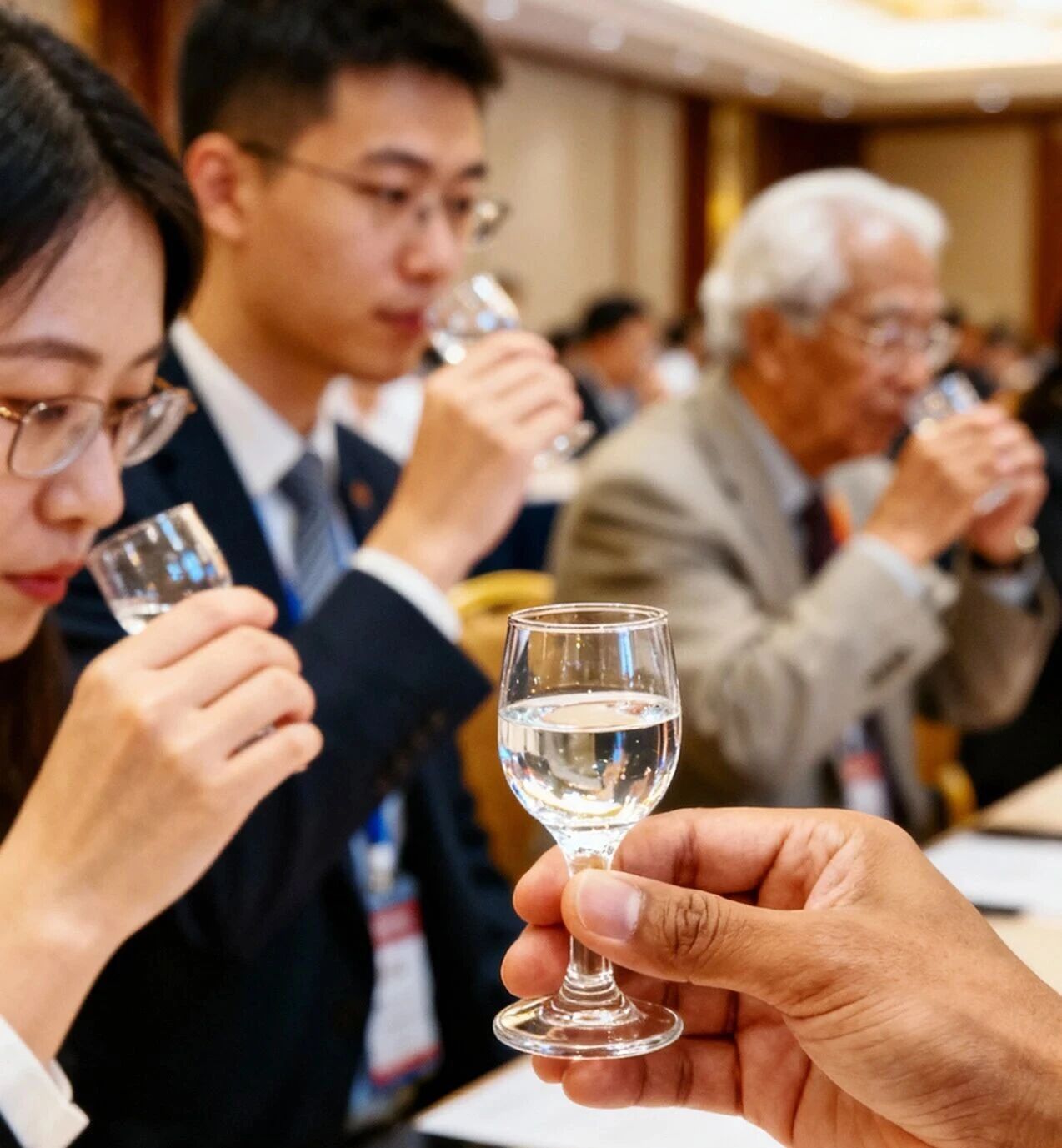
Core Insights - The "health and wellness" industry in China is projected to exceed 9.8 trillion yuan by 2025 and reach over 14 trillion yuan by 2030, presenting significant growth opportunities for the liquor industry [1] - The concept of "health and wellness" has evolved from targeting the elderly to a more inclusive approach that appeals to all age groups, indicating a substantial market share for alcoholic beverages [1] Market Trends - Health and wellness consumption has expanded beyond the traditional elderly demographic to include working individuals aged 30-50 and even younger consumers, with trends like "preventive care" and "family wellness" becoming mainstream [1] - Over half of the surveyed participants engage in health and wellness activities with their parents, aligning with the trend of younger consumers preferring health-oriented alcoholic beverages over traditional spirits [1] Product Development - Future health-oriented alcoholic beverages will not be limited to "medicinal wines" for the elderly but will cater to various scenarios such as stress relief, emotional relaxation, and light body management, necessitating differentiated product designs for different age groups [3] - There is a shift from high-frequency social drinking to more casual consumption settings, with users emphasizing relaxation and health benefits, which aligns with the trend of transitioning health drinks to everyday scenarios [3] Industry Dynamics - The health wine market in China is expected to grow from 40 billion yuan in 2020 to approximately 48.7 billion yuan by 2024, indicating a strong potential for growth in this sector [5] - Major brands in the liquor and traditional Chinese medicine sectors are increasingly crossing over into the health and wellness space, highlighting the intersection of "health and wellness" with alcoholic beverages as a significant area for investment [5] Consumer Expectations - Consumers are looking for health-oriented alcoholic beverages that provide tangible effects, enjoyable experiences, and environmentally friendly options, prompting the industry to focus on real functionality, pleasant taste, and compliance in marketing [5][6] - The core competitiveness of health wines will shift from merely promoting single functions to emphasizing scientifically validated benefits, enjoyable experiences, and integration into various consumption scenarios [6]
二十载磨一剑 让AI成为临床“超级助手”
Zhong Guo Qing Nian Bao· 2026-02-09 07:37
Core Insights - The article highlights the transformative impact of AI technology in the field of medical imaging, particularly in the diagnosis and treatment of tumors, enhancing efficiency and accuracy in clinical settings [1][2][3] Group 1: AI in Tumor Diagnosis and Treatment - AI technology significantly reduces the time required for tumor imaging analysis from over 20 minutes to under 2 minutes, improving the accuracy of tumor delineation by 20% and increasing the speed of the process by 6-8 times compared to manual methods [2][3] - The developed system, known as the "Adaptive Intelligent Radiotherapy Target Area Drawing System," allows for precise identification of tumor boundaries and critical structures, ensuring effective surgical approaches while preserving organ function [3] - The team plans to implement this system in major hospitals to accelerate its practical application in clinical settings [3] Group 2: Preventive Health Management - The focus is also on disease prevention, with the development of a "Non-Intrusive Normalized Intelligent Sports Rehabilitation Assessment System" aimed at quantifying rehabilitation outcomes and improving efficiency by over 10 times compared to traditional methods [4] - This system acts as a personalized coach, providing targeted feedback on exercise techniques to prevent injuries [5][6] Group 3: Early Detection of Acute Myocardial Infarction - The introduction of the "Smart Monitoring System for Cardiac and Sleep Quality" aims to identify high-risk individuals for acute myocardial infarction, facilitating early intervention and reducing healthcare costs [7] - This system utilizes smart mattress technology to monitor heart conditions and sleep quality, promoting a proactive approach to health management [7] Group 4: Talent Development in AI and Healthcare - The article emphasizes the need for skilled professionals who can bridge the gap between clinical medicine and AI, highlighting the importance of interdisciplinary communication and the ability to translate clinical needs into actionable technical tasks [8]
中医的精华在于“治未病”
Xin Lang Cai Jing· 2026-01-20 20:57
Core Viewpoint - The article highlights the innovative approach of Dr. Dong Feng in integrating traditional Chinese medicine with modern lifestyle needs through the "Five Steps" heart-adjusting fitness method and the "Yuanqi" paste, addressing the rising prevalence of sub-health conditions among office workers and students [1][2][3]. Group 1: Five Steps Heart-Adjusting Fitness Method - The "Five Steps" method includes: 1) awakening the mind through head movements, 2) expanding the chest to improve shallow breathing, 3) promoting energy flow with waist movements, 4) regulating internal organs through gentle twists, and 5) relaxing tense muscle groups [2]. - This method combines traditional Chinese practices with modern exercise science, is simple to perform, requires no equipment, and is suitable for practice in various settings, including offices and during travel [2][3]. - Users report significant improvements in physical discomfort and emotional states, with one financial industry worker noting that a 5-6 minute practice during lunch breaks is more effective than coffee for staying alert [2]. Group 2: Yuanqi Paste - The "Yuanqi" paste is designed for easy consumption, similar to making coffee, and is based on the principle that the spleen and stomach are fundamental to health in traditional Chinese medicine [3]. - It aims to replenish energy, calm the mind, and improve digestive health, addressing issues like fatigue, insomnia, and digestive disorders prevalent in modern lifestyles [3]. - The paste has received recognition, winning a silver award at the 49th Geneva International Invention Exhibition in 2024 and gold awards in 2025, showcasing its effectiveness in promoting preventive health care [4]. Group 3: Community Engagement and Future of Traditional Chinese Medicine - Dr. Dong has actively engaged in community health initiatives, providing training and free medical consultations in his hometown and other regions, enhancing local healthcare capabilities [5]. - He emphasizes the importance of innovation in the revival of traditional Chinese medicine, believing that the current environment presents a unique opportunity for growth and development in the field [5].
誉研堂递表港交所 招银国际和国元国际担任联席保荐人
Zheng Quan Shi Bao Wang· 2026-01-19 00:30
Core Viewpoint - The company, Yuyantang, has submitted its prospectus to the Hong Kong Stock Exchange, with Zhuhai International and Guoyuan International acting as joint sponsors, focusing on a "full lifecycle diagnosis and treatment model" based on Traditional Chinese Medicine (TCM) principles [1] Group 1: Business Model - The company operates on a "preventive treatment" philosophy, covering four stages: "pre-disease, desire for disease, existing disease, and post-recovery," providing integrated personalized health solutions that include prevention, adjustment, treatment, and maintenance [1] - Yuyantang employs a strict model of "offline initial diagnosis and online follow-up," ensuring all patients complete diagnostic assessments at licensed offline institutions, while the online platform manages follow-ups, chronic disease care, and health management to ensure service continuity [1] Group 2: Market Position - According to a Frost & Sullivan report, Yuyantang ranks as the second-largest private chain TCM healthcare service provider in Northern China by total revenue from TCM outpatient services and clinics as of 2024, and it ranks first in revenue from medicinal pastes [1] - The company boasts the highest customer repurchase rate among private chain TCM healthcare service providers, achieving a repurchase rate of 81.1% for the nine months ending September 30, 2025 [1] Group 3: Infrastructure and Expertise - Yuyantang has established a network of 48 self-built and operated licensed medical institutions in Northern China, all managed through a unified cloud-based healthcare information system (HIS) for digital management [1] - The company offers personalized TCM prescriptions, including decoctions, pills, powders, and pastes, and possesses proprietary non-heritage pastes and several in-house developed formulations as protected therapeutic assets [1] - Yuyantang employs 292 full-time medical professionals, with a research committee comprising 98 experts, integrating knowledge from both internal medical teams and external research collaborators [1]
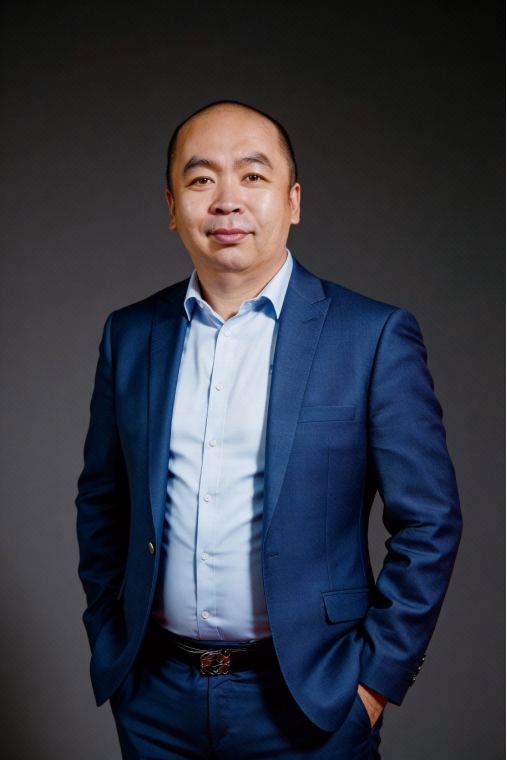
鸿茅药业鲍东奇:守正创新,双轨共进:鸿茅药业的中医药现代化思考与实践
Jin Rong Jie· 2026-01-16 13:15
Core Viewpoint - The biopharmaceutical industry is at a pivotal moment as it transitions into the "15th Five-Year Plan," emphasizing the need for a balance between traditional practices and innovative approaches to ensure sustainable growth in the face of technological and capital cycles [1][2]. Group 1: Industry Context - The biopharmaceutical sector is experiencing rapid technological iterations, rational capital returns, and a deep restructuring of the global competitive landscape [2]. - The year 2026 is anticipated to be crucial for the integration of traditional Chinese medicine (TCM) into modern health practices, moving from confidence in heritage to a conscious engagement with contemporary scientific frameworks [8][9]. Group 2: Company Strategy - Hongmao Pharmaceutical, with nearly 300 years of history, aims to explore new paths for TCM development by balancing tradition and innovation, emphasizing the importance of both "guarding the essence" and "innovation" [1][2]. - The company is committed to modern clinical research to support traditional practices, transitioning TCM from experience-based to evidence-based approaches [4][5]. Group 3: Innovation and Technology - Hongmao is transforming from "manufacturing" to "intelligent manufacturing," utilizing digital traceability to ensure the authenticity of medicinal materials and implementing smart manufacturing for precision in processes [5][6]. - The integration of advanced technologies, such as artificial intelligence and real-world evidence, is seen as essential for developing a comprehensive evidence system from raw materials to clinical applications [9]. Group 4: Cultural Heritage and Industry Development - The company is focused on converting cultural heritage into industrial momentum, promoting standardized cultivation and traceability of medicinal materials while enhancing product quality through modern technology [6][7]. - The approach of "cultural empowerment of industry" aims to enhance brand competitiveness and inject vitality into local development, ensuring that cultural heritage serves contemporary needs [6][10]. Group 5: Future Outlook - The future of TCM is envisioned as a systemic reconstruction that roots itself in ancient wisdom while addressing modern health challenges, with a focus on preventive health measures [8][9]. - Hongmao aims to evolve from merely supplying products to empowering health, creating a comprehensive health service ecosystem that integrates medicine, health, and culture [7][9].
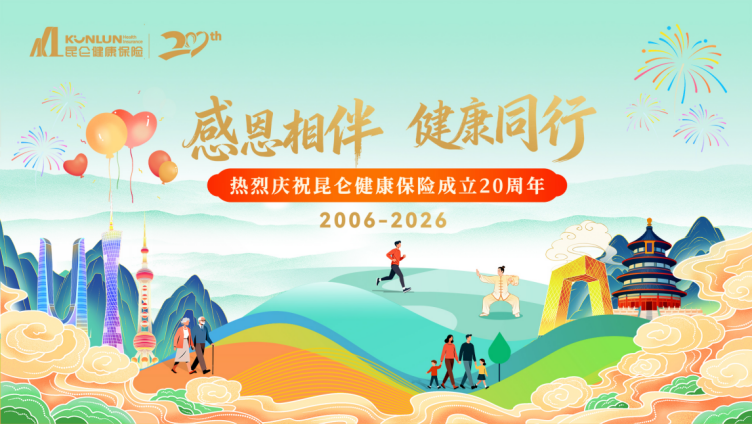
昆仑健康保险成立二十周年:深耕“治未病”,守护千万家庭健康
Jin Rong Jie Zi Xun· 2026-01-12 09:01
Core Viewpoint - Kunlun Health Insurance celebrates its 20th anniversary in 2026, emphasizing its commitment to health management and the "preventive medicine" philosophy as a guiding principle for its operations [1][4][22]. Group 1: Company Overview - Established on January 12, 2006, Kunlun Health Insurance is one of the first specialized health insurance companies in China, focusing on optimizing operational efficiency and risk management [4]. - The company has built a robust service network across key regions in China, including Beijing, Shanghai, Guangdong, Zhejiang, and Shandong, ensuring widespread access to its services [7]. Group 2: Service and Innovation - Kunlun Health Insurance has developed an efficient claims process, reducing average settlement time to within 2 working days, with personal medical insurance claims further optimized to 1.3 hours by 2025 [8][9]. - The company has launched various health service initiatives, including the "Kunlun Five Good Health" service system and the "Health Home" project, which integrates health monitoring and community activities [10][13]. Group 3: Technological Advancements - The company has implemented a comprehensive intelligent service system, achieving significant improvements in service efficiency, including an average AI customer service response time of less than 1 second [14][17]. - By 2025, the company’s intelligent customer service system has transformed the entire service process, enhancing operational efficiency and customer interaction [17]. Group 4: Social Responsibility - Kunlun Health Insurance integrates public welfare into its corporate ethos, actively participating in community support initiatives and health promotion activities [21]. - The company’s "Health Home" model has been recognized as a high-quality development case, reflecting its commitment to social responsibility and community health [18][21]. Group 5: Future Outlook - Looking ahead, Kunlun Health Insurance aims to deepen its "preventive medicine" philosophy and enhance its product offerings and services, positioning itself as a reliable health management partner [22].