055驱逐舰

Search documents
晨枫:年末的正义,想来就来!
Guan Cha Zhe Wang· 2025-12-31 01:20
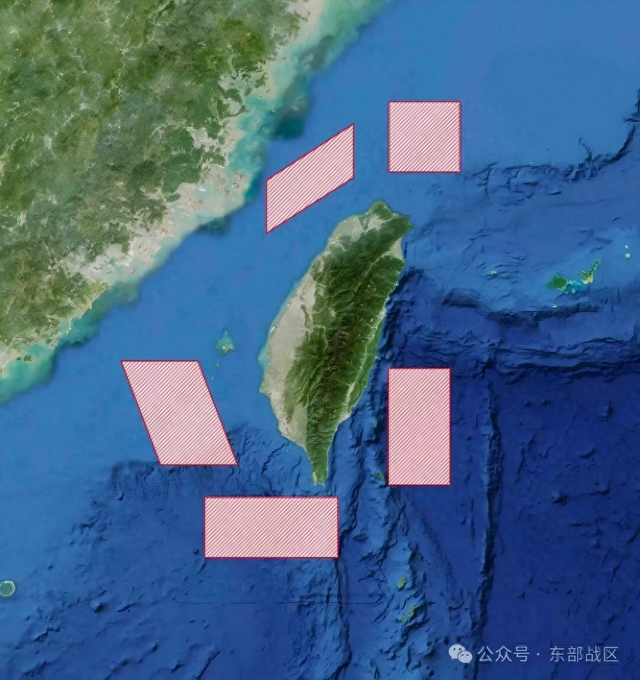
Core Viewpoint - The article discusses the large-scale military exercise "Justice Mission-2025" conducted by the Eastern Theater Command of the People's Liberation Army (PLA), emphasizing its significance as a warning against "Taiwan independence" and external interference, while showcasing the PLA's readiness for potential military action in the Taiwan Strait. Group 1: Exercise Characteristics - "Justice Mission-2025" exhibits three main characteristics: full-time readiness, full-time capability to engage, and immediate initiation of combat operations [3] - The exercise demonstrates a heightened level of cold-start offensive capability, allowing for rapid and surprise full-scale attacks without prior warning [4] Group 2: Military Actions and Responses - The PLA's recent military actions in the Taiwan Strait have been characterized by a decrease in intensity since July, but the sudden launch of "Justice Mission-2025" indicates a readiness to act at any moment [6] - The exercise includes live-fire drills in the waters surrounding Taiwan, enhancing the PLA's ability to transition from training to combat [7] Group 3: Strategic Implications - The exercise highlights the importance of the "blockade" option in military strategy, as the balance of power increasingly favors the mainland [11] - Taiwan's limited strategic resources and reliance on imports for energy make it vulnerable to sustained military action, particularly if supply lines are disrupted [12] Group 4: External Factors and International Relations - The exercise serves as a direct response to recent provocations from external actors, including the U.S. arms sales to Taiwan, which are viewed as serious challenges to China's sovereignty [6][22] - The PLA's actions are framed as a demonstration of strength and a message to both Taiwan and external powers, indicating that the PLA is prepared to take decisive action if necessary [22]

美国之所以走到如今“疯癫”的地步,很大程度就是因为低估了中国
Sou Hu Cai Jing· 2025-11-04 14:53
Group 1 - The announcement of the "Liberation Day" tariff plan by Trump in 2025 raised tariffs on China to 54%, Vietnam to 46%, and Cambodia to 49%, causing significant market reactions, with the S&P 500 index dropping 4.8% on April 3, marking its largest single-day decline in years [2] - The U.S. underestimated China's economic resilience, as China's GDP reached $18 trillion by 2024, growing nearly 90 times since 1978, with exports accounting for 14% of global trade and consumption driving 55% of GDP [2][4] - China's industrial value added accounted for 35% of the global total in 2024, while the U.S. only accounted for 18%, highlighting China's comprehensive industrial capabilities [4] Group 2 - The trade war initiated by Trump in 2017 led to retaliatory measures from China, including restrictions on U.S. agricultural products, which have strained U.S. farmers [6][7] - China's "Belt and Road" initiative has stabilized its trade, with trade volume exceeding $2 trillion in 2024, benefiting regions like Africa and Latin America, while U.S. alliances have begun to fracture [9] - The U.S. military and technological underestimations of China are evident, with China's military budget growing annually by 10% and advancements in AI, electric vehicles, and military technology [9][11] Group 3 - The high tariffs intended to protect U.S. industries have inadvertently weakened American competitiveness, with economists noting that tariffs have not effectively prevented U.S. growth [11][13] - The rise of the Chinese economy is becoming a global trend, with the share of the renminbi in global payments increasing to 3.5% and a notable acceleration in de-dollarization [13] - The internal divisions within the U.S. political landscape, including criticisms from both Democrats and Republicans regarding the tariff policies, reflect a broader inability to address long-term challenges posed by China's economic rise [13]