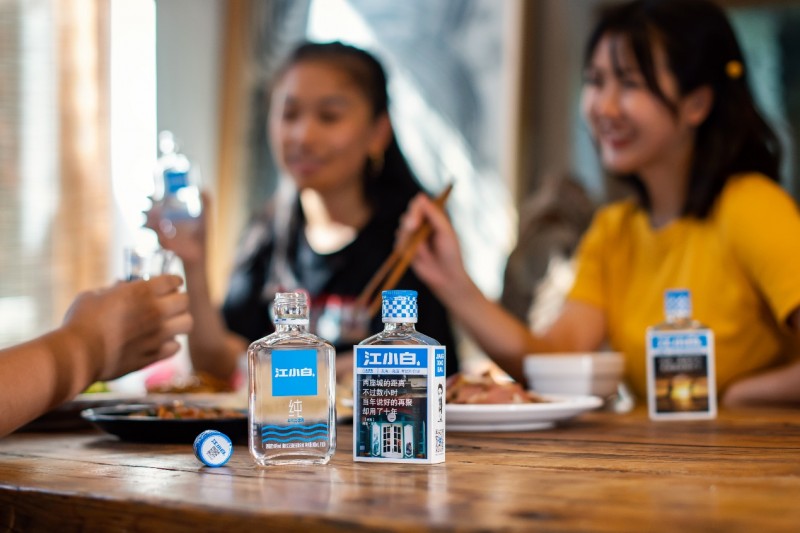
100ml小瓶40度低度高粱酒

Search documents
走过五年黑暗隧道后,江小白靠一瓶酒杀了回来
Sou Hu Wang· 2026-01-14 06:38
Core Insights - Jiangxiaobai, a brand that once achieved annual sales exceeding 2 billion and was present in over a million retail outlets, has made a surprising comeback with its new product "Guolifang" fruit liquor, appealing to younger consumers [1][3] - The brand's journey reflects a deep experiment in productism, user sovereignty, and business resilience, transitioning from a peak period to a challenging phase and ultimately to a revival [1][4] Group 1: Historical Context - Jiangxiaobai's golden era lasted eight years, during which it covered over a million retail terminals and achieved annual revenue surpassing 2 billion, becoming a model for grassroots brand success [3] - In 2019, the liquor industry experienced a structural upturn with the rise of strong-flavored liquors, leading to a shift in consumer preferences towards high-end, collectible spirits, which left Jiangxiaobai's lighter, low-alcohol offerings out of sync with market trends [3][4] Group 2: Strategic Decisions - Faced with declining popularity and negative perceptions, Jiangxiaobai made a pivotal decision to abandon its reliance on external marketing and focus on product quality [4][5] - The company rejected calls to pivot towards stronger liquors, instead embracing its identity centered on lightness and casual consumption, which led to a comprehensive product re-engineering process [4][5] Group 3: Product Development - Insights gathered from young consumers revealed that they prioritize fun, social interaction, and personal enjoyment over traditional drinking norms, which informed the development of "Guolifang" [5][9] - "Guolifang" incorporates over 30% fruit juice and is designed to be enjoyed in various social settings, with a carefully controlled alcohol content between 15° and 23°, making it versatile for different consumer preferences [7][9] Group 4: Marketing and Growth - The brand's resurgence has been characterized by minimal advertising and no celebrity endorsements, focusing instead on product upgrades, user engagement, and deepening distribution channels [9] - Jiangxiaobai's shift from a brand-centric to a user-centric approach has allowed it to develop new products that meet evolving consumer demands, exemplified by the introduction of new flavors and categories [9]

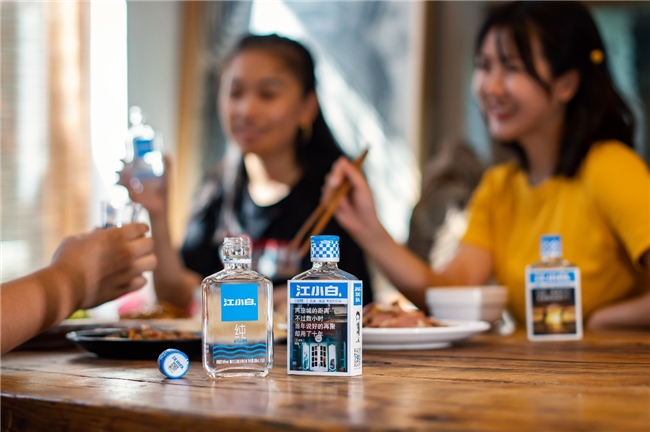
在无人在意的角落,江小白悄悄打了场漂亮翻身仗
Sou Hu Wang· 2026-01-14 03:37
Core Insights - The article discusses the resurgence of Jiangxiaobai, a brand that once dominated the market with over 2 billion in annual sales and extensive product distribution, which faced significant challenges but has now re-emerged with a new product called "Guolifang" [1][3]. Group 1: Brand Evolution - Jiangxiaobai initially gained popularity by introducing low-alcohol liquor in small bottles, targeting young consumers in informal settings, and promoting a message of "youth is not lonely" [1][3]. - The brand experienced a golden era with nationwide retail coverage exceeding one million terminals and annual revenue surpassing 2 billion [3]. - However, the brand faced a decline as consumer preferences shifted towards high-end liquor, leading to negative perceptions and criticism of Jiangxiaobai's product [3][4]. Group 2: Strategic Shift - In response to declining sales, Jiangxiaobai made a strategic decision to focus on product quality rather than external marketing, rejecting advice to pivot towards high-end liquor [4][5]. - The company engaged directly with consumers to understand their drinking habits, leading to the development of "Guolifang," which caters to the preferences of young drinkers [5][9]. - The new product emphasizes a blend of fruit juices and alcohol, with a focus on maintaining clarity and taste, appealing to a younger demographic [7][9]. Group 3: Market Impact - "Guolifang" has become a popular choice in bars and convenience stores, reflecting a shift in social drinking culture among young people [7][9]. - The product's success has led to the creation of the "Guolifang Index," which measures the vibrancy of youth culture in different cities based on its sales performance [7][9]. - Jiangxiaobai's transformation highlights a broader trend in the industry, moving from brand-centric to user-centric product development, focusing on real consumer needs [9].