用户主权

Search documents
在无人在意的角落,江小白悄悄打了场漂亮翻身仗
Sou Hu Wang· 2026-01-14 03:37
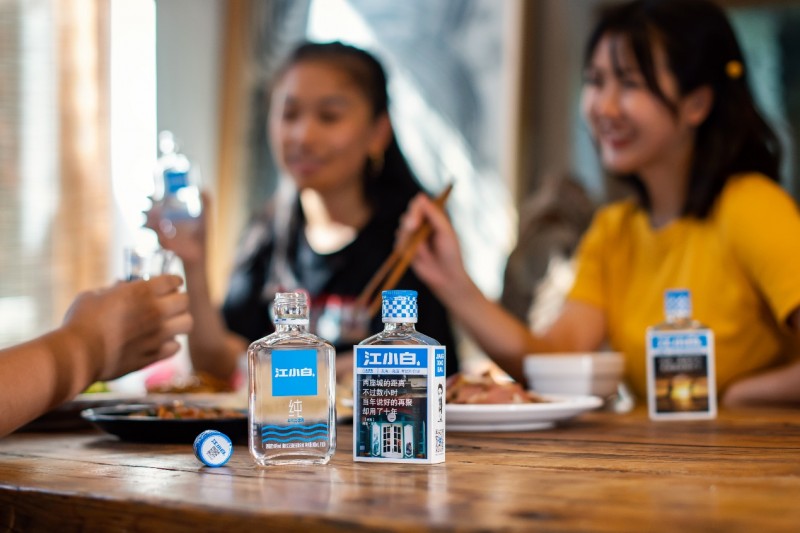
Core Insights - The article discusses the resurgence of Jiangxiaobai, a brand that once dominated the market with over 2 billion in annual sales and extensive product distribution, which faced significant challenges but has now re-emerged with a new product called "Guolifang" [1][3]. Group 1: Brand Evolution - Jiangxiaobai initially gained popularity by introducing low-alcohol liquor in small bottles, targeting young consumers in informal settings, and promoting a message of "youth is not lonely" [1][3]. - The brand experienced a golden era with nationwide retail coverage exceeding one million terminals and annual revenue surpassing 2 billion [3]. - However, the brand faced a decline as consumer preferences shifted towards high-end liquor, leading to negative perceptions and criticism of Jiangxiaobai's product [3][4]. Group 2: Strategic Shift - In response to declining sales, Jiangxiaobai made a strategic decision to focus on product quality rather than external marketing, rejecting advice to pivot towards high-end liquor [4][5]. - The company engaged directly with consumers to understand their drinking habits, leading to the development of "Guolifang," which caters to the preferences of young drinkers [5][9]. - The new product emphasizes a blend of fruit juices and alcohol, with a focus on maintaining clarity and taste, appealing to a younger demographic [7][9]. Group 3: Market Impact - "Guolifang" has become a popular choice in bars and convenience stores, reflecting a shift in social drinking culture among young people [7][9]. - The product's success has led to the creation of the "Guolifang Index," which measures the vibrancy of youth culture in different cities based on its sales performance [7][9]. - Jiangxiaobai's transformation highlights a broader trend in the industry, moving from brand-centric to user-centric product development, focusing on real consumer needs [9].

今自在的“诺曼底时刻”:以可验证系统,冲击白酒旧价值体系
Sou Hu Cai Jing· 2025-12-30 11:40
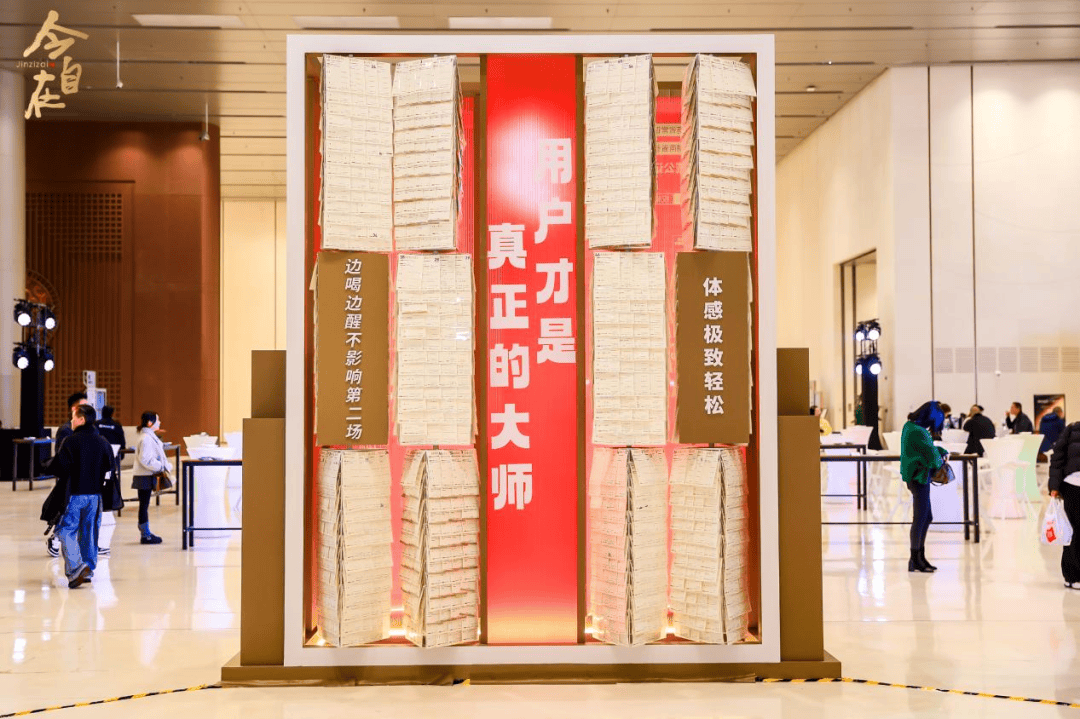
Core Insights - The article presents a transformative proposal for the Chinese liquor industry, emphasizing a shift from price-driven sales to a focus on quality and consumer experience [2][4] - The current state of the Chinese liquor market is characterized by a divide between traditional brands struggling with high inventory and consumer demand for quality over quantity [2][4] Industry Context - The liquor industry, particularly the sauce liquor sector, has been operating under a closed value narrative system, relying heavily on historical storytelling and craftsmanship barriers [5][7] - The perception of liquor value has often been tied to brand history rather than actual taste, leading to inflated markets for "vintage liquor" without scientific backing [5][7] Trust Crisis and Consumer Behavior - As the industry faces a deep adjustment period, consumers are questioning the value of high-priced liquor beyond brand narratives, highlighting a trust crisis [8] - The traditional consumption structure has led to a disconnect where consumers do not engage with the products they purchase, treating liquor as a social currency rather than a consumable [7][8] Reconstructing Trust - The company aims to address the trust crisis by implementing a verifiable system that prioritizes user feedback and objective data over expert narratives [8][9] - The founder emphasizes that true expertise lies with consumers, advocating for a shift in quality assessment from experts to users [8][9] Three-Dimensional Approach to Quality - The company has introduced a new standard for "light sauce liquor," focusing on measurable scientific indicators such as low fusel oil content, balanced ester ratios, and verified aging [9][10][11] - This approach aims to transition the industry from subjective descriptions to objective metrics, enhancing transparency and accountability [13] Transparency in Production - The company promotes an "open-source" model for liquor production, combining self-brewed base liquor with high-quality sourced liquor, challenging traditional production secrecy [14][16] - This model is designed to create a more reliable quality resource pool, transforming production from a "black box" to a transparent process [19] User Empowerment - The company has initiated a "blind tasting" competition, supervised by notaries, allowing real consumers to participate in quality assessments, thus redefining the quality validation process [20][22] - This method shifts the definition of quality from a company-driven narrative to a consumer-driven consensus, enhancing brand credibility [22] Industry Transformation - The company's initiatives signal a broader shift in the liquor industry towards a trust-based model, where transparency and user engagement become central to brand value [23] - The evolving consumer values reflect a move towards health-conscious and quality-driven consumption, indicating a maturation of the market [23] Conclusion - The liquor industry is at a pivotal moment, transitioning from traditional narratives to a new paradigm defined by rational consumption, transparency, and user authority [24][25] - The company's practices may serve as a model for industry-wide transformation, emphasizing the importance of user-defined quality and data transparency [27]
2026Web3前沿趋势,与DOK共同探讨产业发展的实践路径
Sou Hu Cai Jing· 2025-10-21 16:42
Core Insights - The "2026 Web3 Frontier Trends Summit" held in Guangzhou marks the official start of the Web3 traffic era, focusing on the theme of "Digital Civilization × Ecological Prosperity" [1] - The DOK protocol is positioned as a decentralized operation engine, facilitating the transformation of user data and identity into value within the Web3 ecosystem [2][3] Industry Trends - User demands in the Web3 space have evolved beyond traditional social interactions, emphasizing the need for secure digital identities and transparent data analysis [2] - The DOK protocol is seen as a significant milestone in the acceleration of Web3 social and data intelligence ecosystems, potentially driving future value growth [2] Technological Innovations - DOK introduces a new traffic aggregation method that unifies user traffic across various applications and communities, creating a closed-loop application scenario where "social and data equal value" [3] - The protocol incorporates an AI-driven sentiment tracking module to provide real-time market trend analysis and community intelligence for decision-making support [2] Ecosystem Collaboration - The summit attracted diverse ecosystem partners, including decentralized social platforms and blockchain data platforms, showcasing DOK's influence and openness in the industry [5] - DOK aims to build a global Web3 traffic ecosystem through a "four-dimensional collaboration matrix" involving technology, capital, community, and media [5] Future Goals - DOK has outlined a roadmap for the next three years, targeting service for hundreds of millions of users, supporting trillions in assets, and creating significant traffic entry points for Web3 integration into mainstream internet [5][7] - The company emphasizes the importance of long-term consensus and value sharing in the development of a decentralized ecosystem, moving from a speculative phase to a structured governance model [7]

《所有女生的OFFER》五年进阶,重构直播电商内容生态
Qi Lu Wan Bao· 2025-09-25 07:56
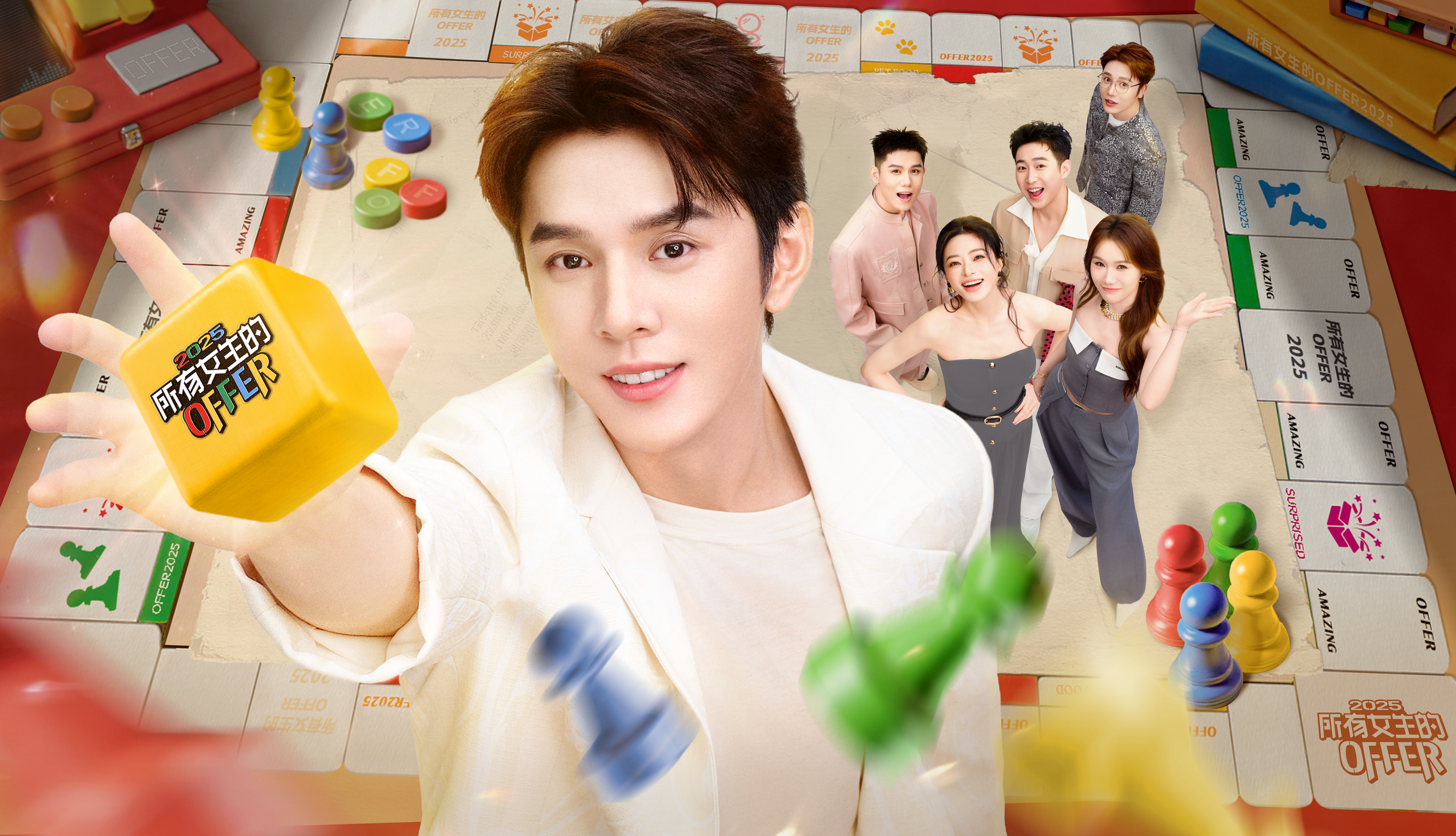
Core Insights - The new "Arena Battle" format in the show "OFFER5" empowers consumers to directly influence which brands secure prime positions in the live streaming sales event for Double Eleven, marking a shift from price competition to value competition in the live e-commerce landscape [1][4] Group 1 - The "Arena Battle" mode divides brands into categories such as beauty, lifestyle, consumer electronics, and pet care, allowing for multiple rounds of competition where audience votes determine the outcomes, increasing uncertainty and drama in the program [4] - The evolution of the "OFFER" series reflects the changing dynamics of China's live e-commerce promotional strategies, transitioning from closed discussions between hosts and brands to incorporating user satisfaction voting, and now linking voting power directly to results [4] - The launch of "OFFER5" signifies a new competitive landscape for Double Eleven, focusing on the comprehensive "value sincerity" of brands rather than just numerical sales figures, indicating a shift towards a healthier ecosystem that emphasizes mutual benefits for user and brand value [4]
新消费再探系列第一篇:何为新消费?五级情绪牢笼,用户养成游戏,谁在主宰你的钱包?
新消费智库· 2025-07-09 15:39
Core Viewpoint - The article discusses the resurgence of new consumption in the market, emphasizing its distinct characteristics compared to traditional consumption and predicting a long-term trend lasting up to twenty years [4][5]. Group 1: Characteristics of True New Consumption - The article identifies three core characteristics that differentiate true new consumption from traditional consumption, which are essential for capital re-evaluation in the future [6]. - The first characteristic is "emotional brand power," which is linked to five levels of positive energy that drive human behavior [8]. - The second characteristic involves creating a sense of intellectual pleasure through competition, allowing users to feel a sense of achievement [10]. - The third characteristic focuses on creating a sense of scarcity and uniqueness, making users feel special and favored by the brand [12]. Group 2: Emotional Brand Power Levels - Level one involves instant gratification through low-cost products that provide quick emotional relief, such as bubble tea and soft drinks [9]. - Level two emphasizes a competitive mechanism that gives users a sense of control and achievement through participation [10]. - Level three revolves around creating a sense of exclusivity and being favored by the brand, often through limited editions and hidden variants [12]. - Level four highlights the importance of physical presence and collective emotional resonance in experiences like concerts and social events [18]. - Level five represents the ultimate emotional connection where users feel deeply understood and recognized by the brand, akin to a religious experience [20]. Group 3: Brand Personality and IP - True new consumption brands must embody a living personality rather than a cold logo, as consumers are more inclined to connect with real stories and values [23][25]. - The article discusses the importance of founder IP, where the founder's authentic self is crucial for brand connection, moving beyond mere performance [31][33]. - It outlines a formula for founder IP, emphasizing the need for alignment between the founder's personality and the brand's values [36]. Group 4: User Sovereignty and Brand Development - The article highlights the need for brands to empower consumers by returning choice and autonomy to them, moving away from traditional media dominance [40][42]. - It suggests that true new consumption brands should facilitate consumer participation in product development and decision-making processes [43][46]. - The article concludes that successful new consumption brands must possess three core assets: user trust and relationships, brand IP, and emotional brand assets [47].